Get Growing Hawaii: lemongrass

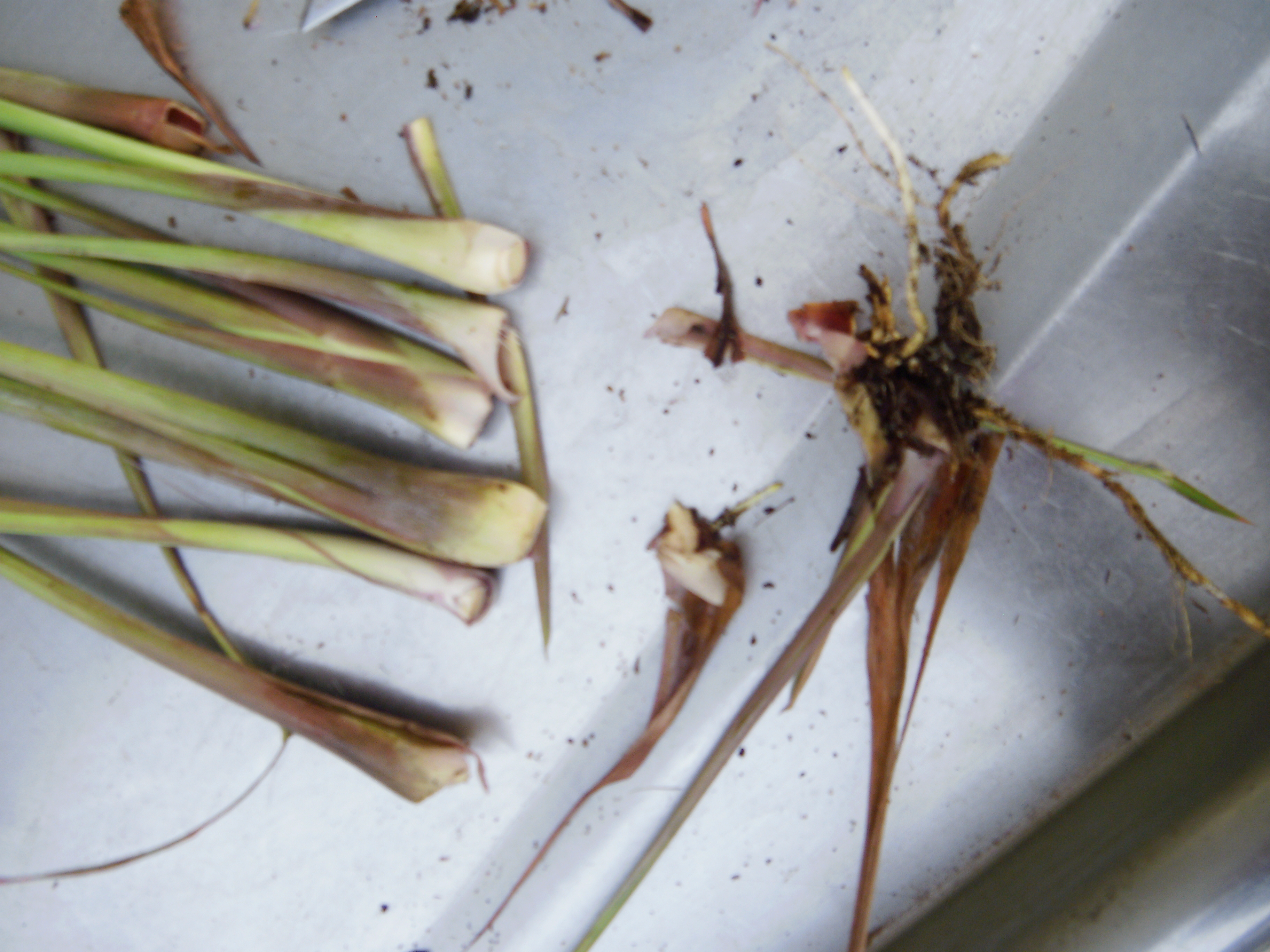
prepping lemon grass

I will openly admit it, I had no idea how to begin a lemongrass plant until I started composting the kitchen scraps from Redwater Cafe.  There in the midst of the “chop and drop” veggie scraps from the labors of many busy chefs sat the small fragile roots of the end cuttings of lemongrass.  I had never really thought about it prior, but when I saw the end pieces, I did what any thrifty farm girl would do, and planted them immediately in an area where my chili peppers grew.  I nearly forgot about them until, as I was pulling weeds, there were the beautifully formed shoots of lemongrass, waiting for harvest.  The luxury of garden plucked lemongrass was completely new to this midwesterner turned Hawaii farmer.  There were coconut milk curries awaiting these flavorful stems…I had to get cooking, but first, my forward thinking self cut the roots off and separated them and replanted them all about the garden.

I highly recommend this lovely herb in your tropical garden, and even your higher elevation garden (I am at 2600ft in Hawaii.) It sits quietly and stately anywhere you plant it.  Tall and grassy as the name illuminates, it becomes a year round herb that can be grown out of your kitchen trimmings.  Trust me, when you are not paying big bucks in the shops, you will find lots of uses for it.  The fragrance is divine, and treat it well with enriched compost and it will prosper. For some ideas to get your plantings inspired, see http://www.saveur.com/article/-/Recipes-with-Lemongrass and check out this lemongrass knot tying video too! http://www.saveur.com/article/Video/Video-How-to-Tie-Lemongrass

Growing notes:  We do get a variety of rust on the lemongrass leaves here in Hawaii. I recommend harvesting leaves/stems frequently, and if hit with rust covered leaves, just leave it planted, but cut them down to the base, as they will regrow quickly.  Make sure to quarantine leaves in a plastic bag so to not spread the rust plant disease. to other plants, farms or gardens.

Farm Girl Can Eat-avocado egg sandwich

We have all been there, we step away from a group at a gathering, then return just in time to hear how they describe you to others.  Sometimes this can be a concern, or illuminating, and often both.  That is the case with how often, in my absence, I am described as a “large eater”  a “ferocious eater,” and even compared to a boa constrictor in my ability to consume pounds of food in one sitting, then simply slink away to digest.  Just as frequently, I am asked the simple question, “how? or better yet, “why?”  I think it is a one-two combination of genetics and activity level.  I do not do well at a desk, though I am there right now.  I am only content to be here at a desk because I have just eaten my farm girl seasonal favorite…avocado and fried egg sandwich on toast.  It is simple enough to make, and it should serve two, though, I eat the whole thing.  Each of these items except for the bread and mayo were gathered on site thanks to the hens, the trees and the garden. So here goes big eaters, I know who you are.  Be proud, and eat well.

1/2 of a large avocado

two fried eggs

1 chilli pepper chopped

the juice of 1/2 of a fresh lime squeezed all over

mayo, salt and pepper to taste

2 slices of toasted bread

Five top picks for starting a garden in Hawaii

OLYMPUS DIGITAL CAMERA OLYMPUS DIGITAL CAMERA

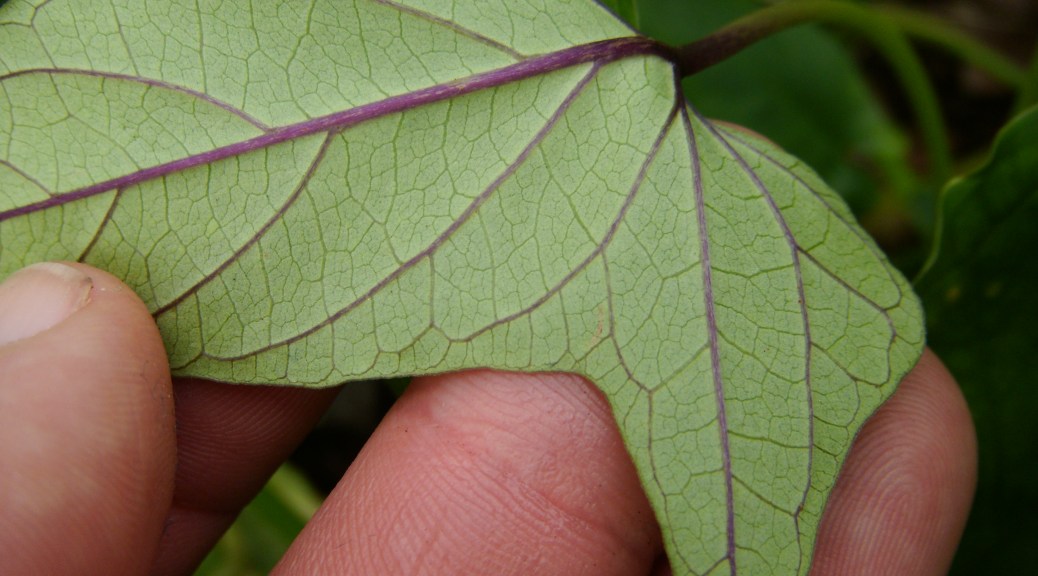
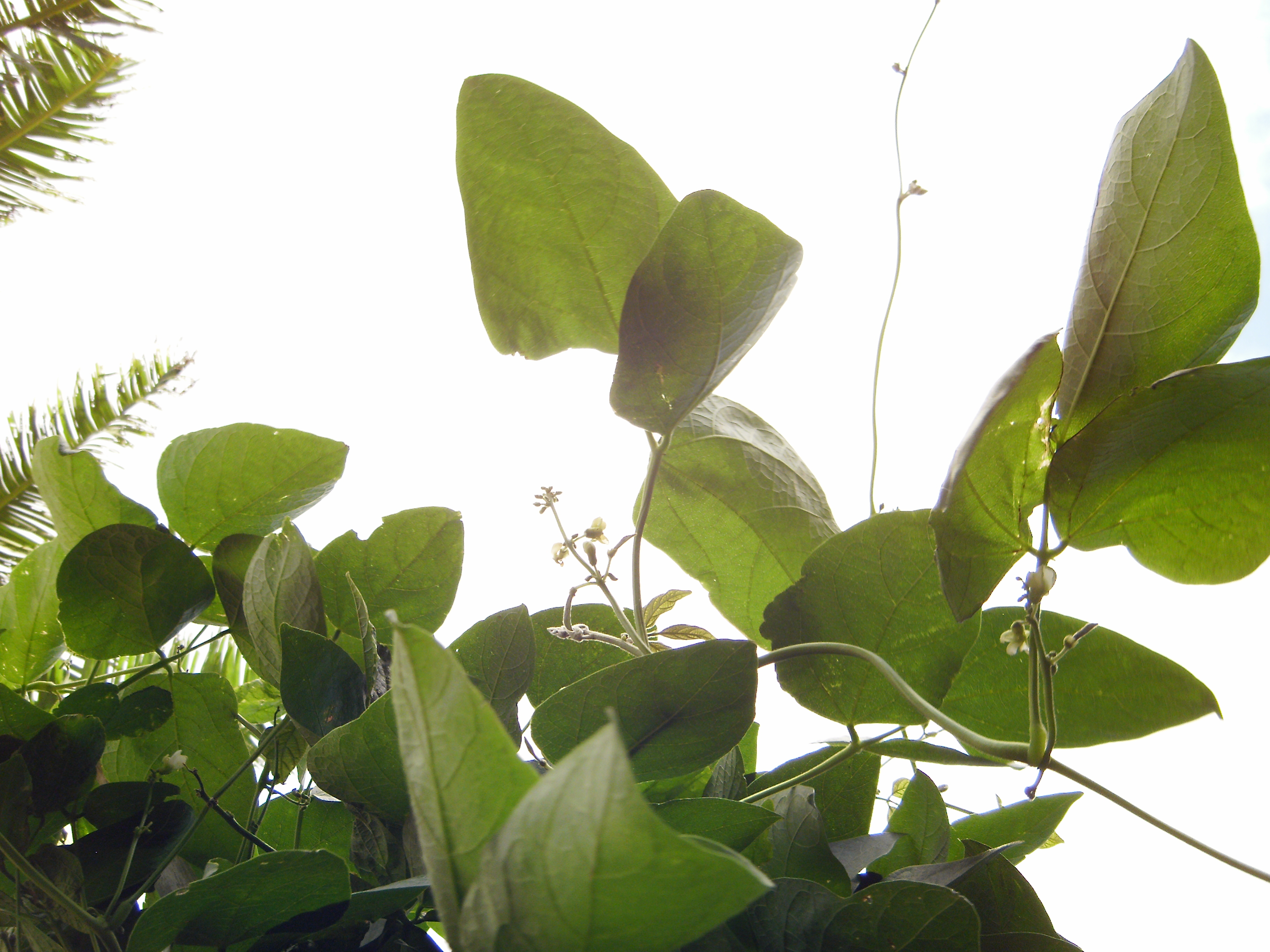
For those that are looking for a plant or two to get them started in their food growing efforts…here are a few ideas that are also ornamental. Each of these plants has become a reliable plant in the garden.  Some serve multiple purposes, as in ground cover and bee nectar plant. Florence fennel (for bulb and seeds) beans (lima/pole/bush) Thai Red Roselle (for calyxes and edible leaf) mint (for edible leaf) Sweet potato (for edible tuber)

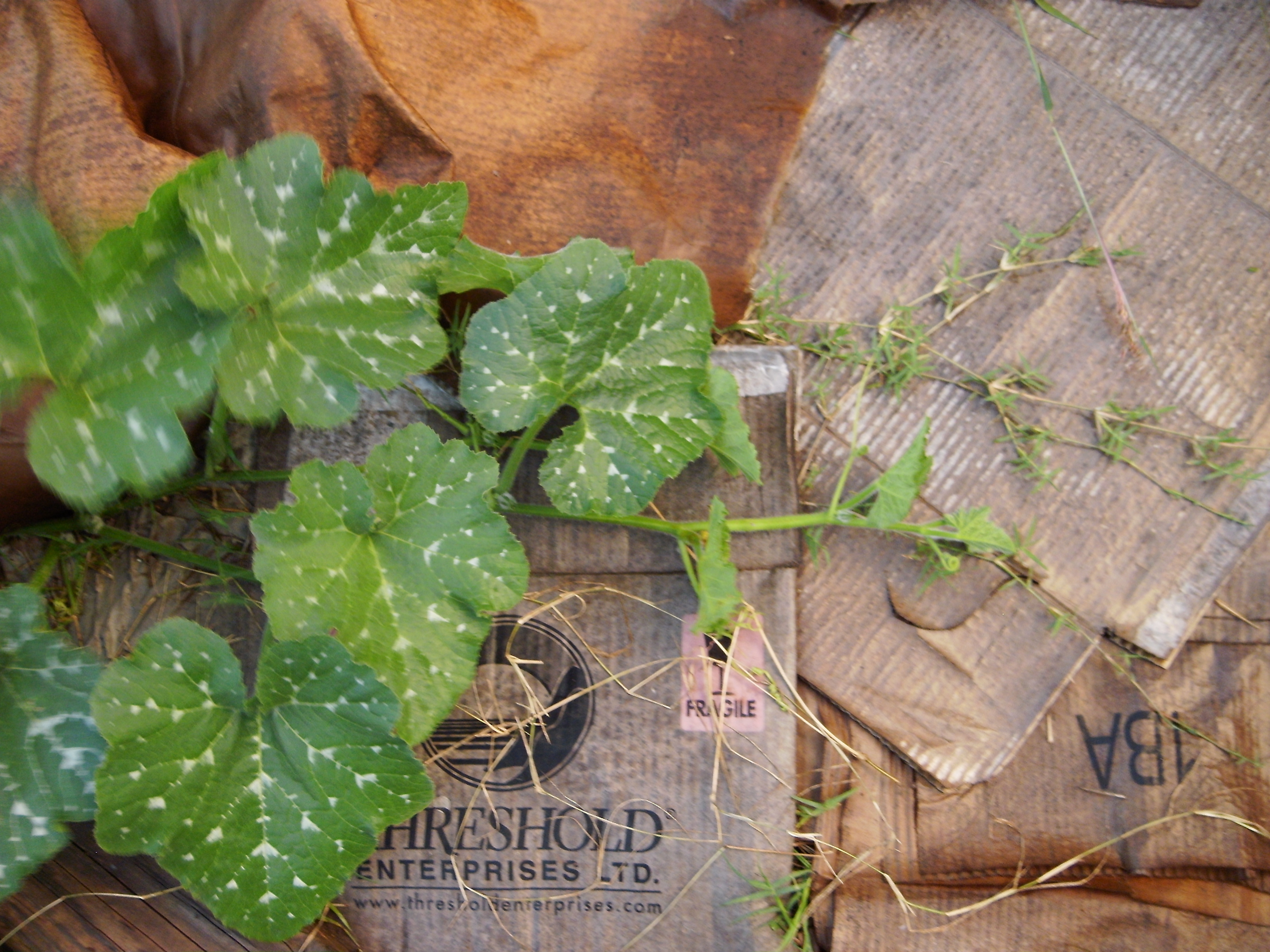
The Pumpkin Primer 3 classes in Kau District Next week

The Pumpkin Primer:

Using heirloom squash to outsmart Melon fly and Pickle worm

Kamuela Farmer Anna Peach of Squash and Awe farm will be presenting a talk about her sustainable farming methods. A seventh generation farmer, Anna decided to look to history for a solution to Hawaii’s commercial crop failure. She will be sharing information about

no-till farming, inter planting with native plants, seed saving, and making natural fertilizers from restaurant scrap. See her farm at http://www.squashandawe.com

Pahala Community Center

Monday 10/20 @6 pm


Naalehu Public Library

Tuesday 10/21 @ 2:30 pm


Pahala Public Library

Wednesday 10/22 @10:30 am


Free and open to the public

image-3

Finding My Voice

The National Heirloom Expo, The Squash Epicenter, The Squash Super Bowl.  I have called it many things in the past few months as I made preparations to attend for the first time.  My nervousness and excitement grew as my dreams and participation level also grew.  I had gotten myself into a beautiful mess of sorts as I responded to a critical email from Jere Gettle, president of Baker Creek Heirloom Seed Company, and founder of the National Heirloom Expo, with a very quick and decisive “YES!” to his question of if I would present a talk.  This may not seem like a lot to many, but in the weeks prior, as a first year farmer, I had gone from the idea of I should go to the event, to being a presentation speaker. It was slightly terrifying upon review of my situation.  It was a big step, but also something that seemed to manifest itself quite naturally.  It was one of those thoughts that flashes in your mind, then 48 hours later, the email came. I tried to calm my near panic with soothing thoughts of “it is meant to be,” and “this is what you are meant to do,”  but it wasn’t working. Regardless of all the reassuring thoughts, trying out my first ever Powerpoint at a National Expo seemed like a bad idea to most.

You see, it wasn’t simply a new Powerpoint, it was the Powerpoint that was rejected in my Hawaii agriculture class when my business plan was deemed “and unworkable business model.”  There was far too much do gooding and elder outreach to be a real farm.  I was doomed to failure as a farmer.  Here I was like a farming Phoenix rising from the smoldering compost of my fledgling farm with my failed Powerpoint. Though the image was nice, the reality was still troubling. I decided that the underdog farmer’s story is just as valid as any other story, and that what good is giving a speech if nobody can relate to you.  Everyone has snuffed the life out of a garden plant, or two, fumbled through absurdly steep learning curves, and had to practically force produce on people so to get them to trust your venture.  So I slid in slides and talking points and the framework told my story, the story of a tiny zero waste farm trying to make a go of it in the midst of a drought, fruit flies, and unexploded WWII ordinances.

For those that do not think in terms of slides or transitions, or talking points for that matter, I am with you. I decided to change my way of looking at the Powerpoint and reenvision it as a photographic safety net. I was not comfortable with my speaking, but quite comfortable with my photography.  I had roamed the globe, and crawled through muck to find the quiet angles of discovery. If I put in enough images I am sure they would shake the words out of me if I froze mid speech.  My Father was a natural storyteller, or as the Irish say, he had the gift of the gab.  He could inform, entertain, inspire, and more. I hoped to channel him during my talk.  Having over six generations of now passed farmers looking over me, I figured one of their farmer entity spirits may have had some time off and would be looking over me during my talk. What I have forgotten to mention is that I often become so terrified when I give a speech, that I have little if any memory of the event.  Perhaps a detail or two, like the woodgrain of the podium, or the ear rings worn my the person who “miked” me up because I have the voice of a mouse. I would be stunned as strangers would hug me post talk and marvel at the monkey story that I told.  My response was frequently, “oh no, I told a monkey story?” But from what I would hear time and time again,  it was a meaningful, well placed monkey story, so I had to just accept that my speaker mind went on autopilot and always saved the day.

I have taken my fear of speaking through many public speaking classes, and even took this fear internationally.  I stood before an inter island grouping of tribal elders, and daringly chose to work without a translator, so I babbled my thank you to them in many tribal dialects.  For once the monkey stories may have revelant, I may have told them, who knows, I went blank. So why did I keep doing this if it pained me so?  It seemed like a reasonable question to those who were concerned about an ulcer being in my future.  So why?  The answer is a simple one for me.  I love stories. I adore language, and the sharing of ideas.  I want to be transported and inspired to reach new places. But most importantly, I believe that those who love stories need to be storytellers themselves. Your own sharing will create a ripple effect so that the great art of the speech will not be lost.  Do and encourage others to do the same, one monkey story at a time.
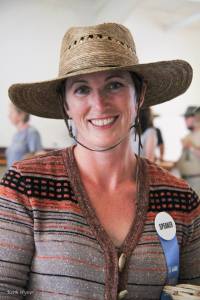
10672244_10152701293169281_7761772200918282263_nAfter the Heirloom expo speech. photo by Keith Wyner

Ghost peppers: from seed to hot sauce

Ghost peppers don’t align themselves neatly with other vegetables.  They are one of the few veggies that you can simply name and people respond with fear.  I am not going to pretend that I am any different.  You might wonder why I decided to grow them, and nurture them even.  Why I would put so much love and energy into a plant whose fruits I was scared to even touch.  Well, it has a lot to do with my brother, the chili aficionado.  He lost most of his sense of taste due to an accident years ago, but like many others in similar situations, he can “taste” chili peppers.  So chili peppers quickly became his thing.

It seems to be a family affair, because years ago as I trekked through the volcanic regions of Sumatra, I earned my nickname of Sambal, or chili sauce in English.  I took the heat in more ways than one, as I insisted on eating local in every regard.  I love food, and travel led me to more and more dishes around the world.  Some of the Indonesian regional cuisine is so spiced that redness would appear as a creeping line that progressed up my neck until reaching my face.  It didn’t help that though I only have a slight natural touch of red in my hair, to the dark haired Indonesians, my hair was a chili top of sorts.  I was munching away on chili pepper sambal sauces, with tears running down my face, and my hair seemed to get redder in the process. One could say that I earned the respect of the community one chili pepper at a time.

On a subsequent trip to Indonesia, I climbed a remote volcano in pre-dawn darkness with a man who was traveling the globe in search of chili peppers. I will never forget his gregarious personality that lit up all that surrounded him.  I should note that years later, I often took an hour and 20 min subway ride in NYC in order to get Brooklyn’s best Jerk chicken.  I also once took a near daily schlep through dangerously off kilter Medan, Sumatra in order to eat the sambal sauce soaked eggs over rice that the bicycle taxi men ate for lunch.  I called them “fire eggs” and that says it all.  Over the years I have eaten a fair bit of cajun food, soul food, and the like, but rarely do I pick up a bottle of hot sauce.  I am more inclined to use fresh chopped chili peppers in a dish, or make a fresh salsa verde on the spot.  I like the handmade over the store bought.  Over the years when I asked many a restaurant server to bring me “their” sambal sauce, glowing faces would return with tiny bowl of pastes in colors to terrifying to be food.

So it is with all these people in my heart that I put on my mechanic’s safety glasses and make a seasonal series of chili sauces that would make any Indonesian, and also a certain family member, or volcano climbing chili explorer very proud.

fire sauce returning home to ghost peppers ghost ripening

Nothing says farming like an MG Midget

The first week in October means something very special to me.  It is the anniversary of my finding Pixie the MG, stored away and facing being scrapped. It has been two years, numerous trips up and down volcanoes, and 3000 miles of adventure.  I have lost count of the repairs, but lets just say that she has blown through some U joints, brake cylinders, head gaskets and hauled more produce and compost materials than any car should.  Equally important is that all of those auto parts were unrecognizable to me before I got this car. I have learned patience and respect for engines.  And as much as many laugh at her, their cars will be long gone and her odometer keeps rolling over and over again.  The little car is so closely linked with my farming that they forever fused into a “new way to farm” image for myself and others. She has reminded us of what is possible if you allow yourself to see potential. She has been part of a charity car show, been swarmed by many kindergardeners, softened the eyes of dual cab truck driving ranchers, and even was the “pace car” for the Harley motorcycles in the Toys for Tots Charity Drive. The chefs ask for her by name. So this photo tribute goes out to Pixie, the little car that could.

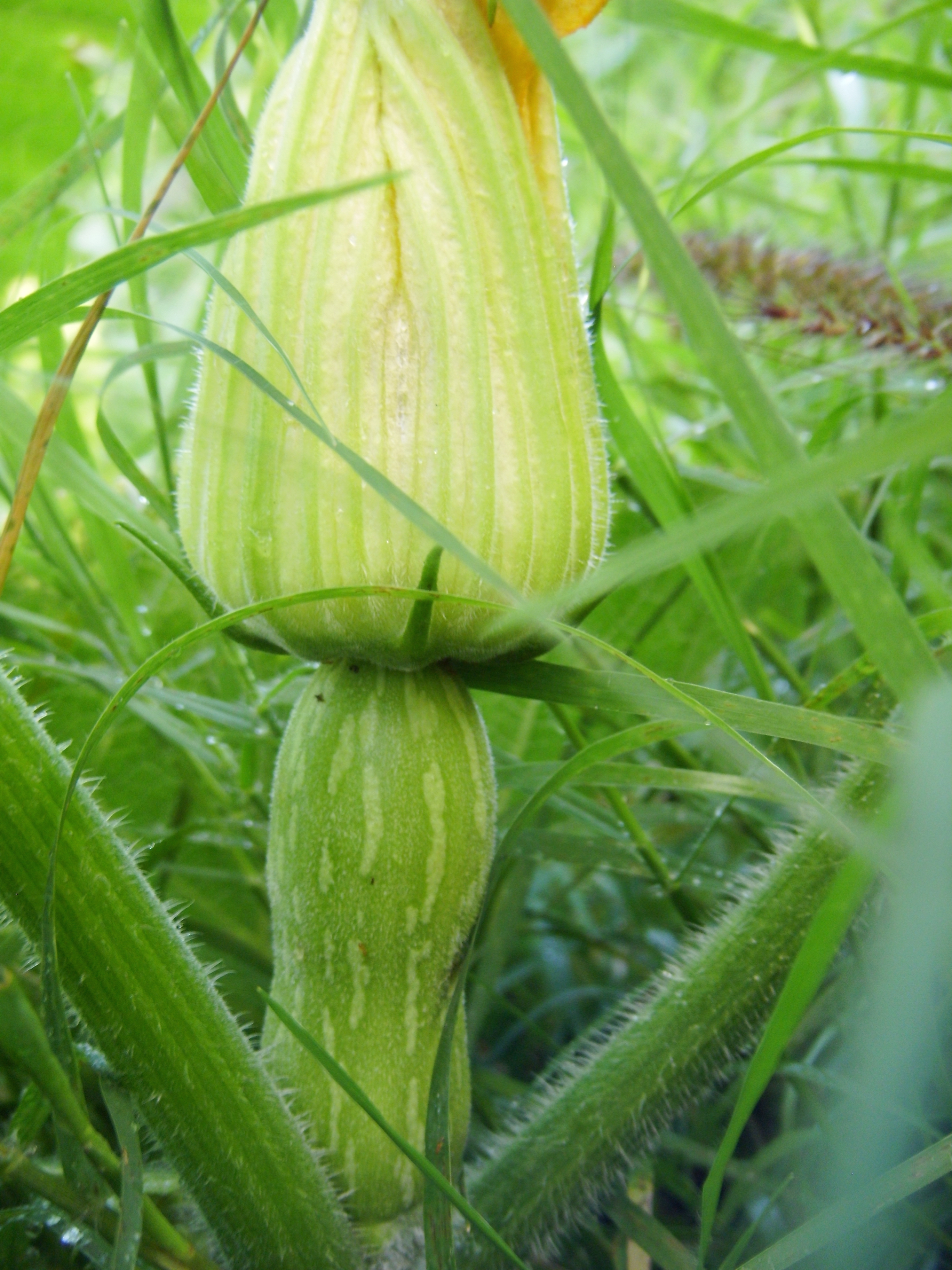
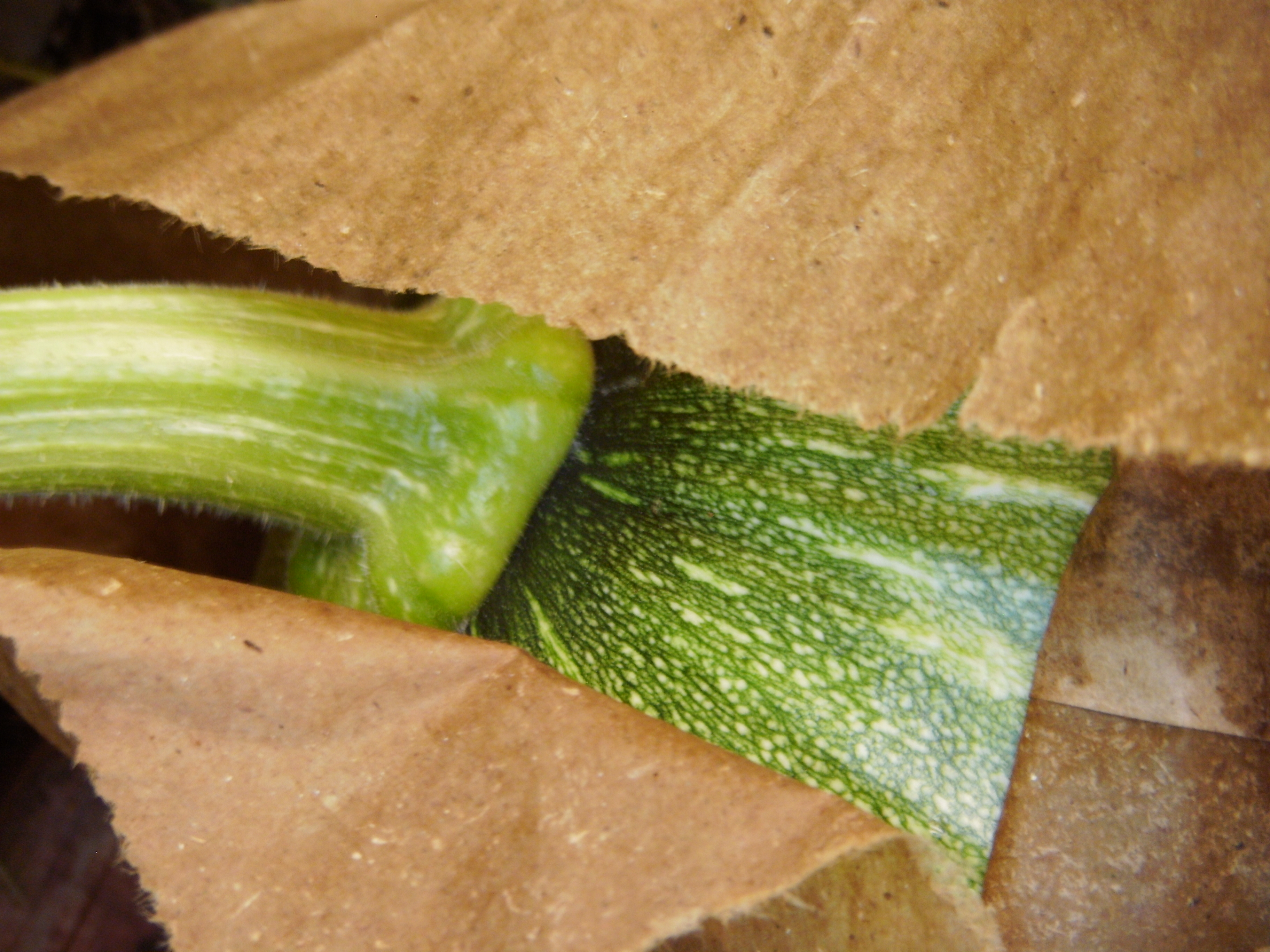
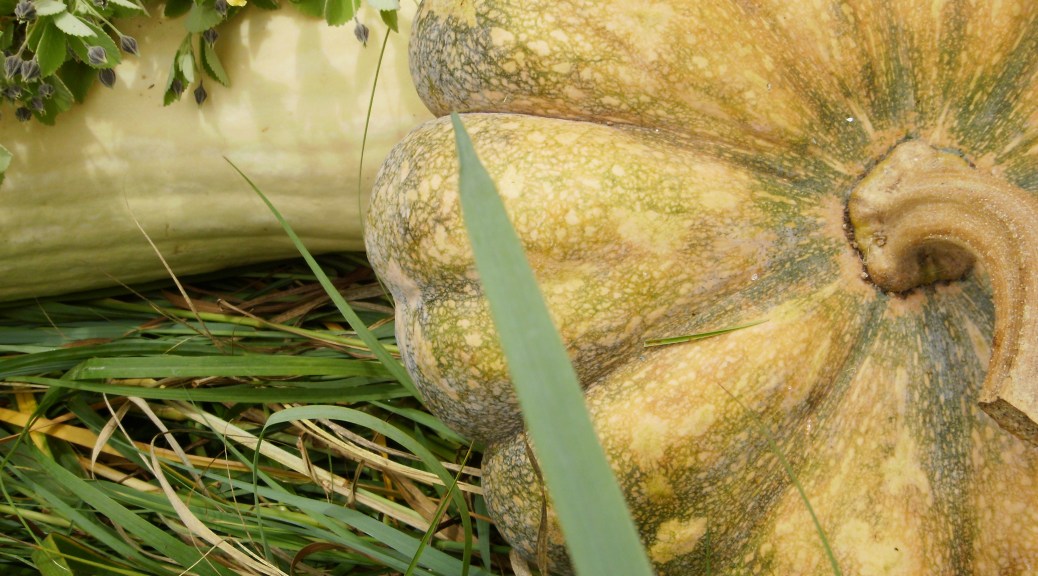
the pursuit of pumpkin