Category Archives: Farming

Population Density and the Farm

People dream of farming on Hawaii Island, aka the Big Island, and they are inspired by all of the potential that it holds.  So these agriculturally minded people create interesting CSAs, they make farms, and aspire to be a farmer’s market vendor.  What most of us fail to consider is the weight of a low population density and how it will affect business.  Without growing the demand for such goods, we will soon be in trouble.  Why? A lot of space between populations means long delivery distances.  With only a few restaurants that buy local produce, that  means that you must have all of them on your team. As in 100%. And that is tough to do unless you are the only farmer around.  That sounds funny, but I have met people in other parts of the country who have a lot of customers because they deliver a great product, but equally important, they have a captive audience and no competition from other farmers or imported goods.  That is an amazing scenario, but not likely here in Hawaii. And we all know that we are not getting much income off our markups in the first place.  We have to produce the product too. I am not discussing “hobby farms” here, I mean to address the issue of farmers that have to survive off their farming.  A friend of mine just couldn’t relate.  I only half-jokingly noted that it is like a realtor having to build the house, go door to door trying to sell it, then get only a few dollars over cost, or even not cover the costs, then immediately do it all over again.  Like I said, it is only half-joking. Maybe that isn’t a perfect example, but farmers are in a really different situation than most people can relate to.

Though in the past three years, I have only stuck one toe into the pools of complexity that surround agriculture in Hawaii. I was more than a little discouraged to find out that almost no farmer that I know is making a living off farming.  They are considered part-timers because their spouse hold a ft job in an office, a non-profit, or a hotel. It is survival.  Right now, grant monies are being directed to new farmers, and as these programs churn out students of all ages and abilities, in our nation’s most expensive place to live, it is hard to tell these inspired new farmers that on top of all else, they need to enter into the difficult task of building new markets as well.

So let’s get back to population density.  On my May trip to Oahu, I saw a familiar face at a unfamiliar farmer’s market. There was the banner of one of my neighborhood farms.  Why on earth were they selling leafy produce on Oahu, several island away from their farm?  It wasn’t just them, there was another Hawaii island farmer there as well, he noted that, “We just don’t have the business that we need to survive.” So they fly to Oahu every Saturday?  Looks like it.  Another well-respected local farmer ships about 90% of his produce to Maui.  Same idea.  Maui has a population density that we do not, and they also have a much better chance of someone caring that their produce is sustainably produced. It is at best, daunting to consider those logistics for farm survival.  Air travel to another island is not cheap in Hawaii, nor is shipping food.  Leafy greens are light, but they require refrigeration.

So what are my suggestions?  One is that I think we need to make a more intensive effort of gardening on Hawaii Island.  Switch gears back to the backyard.  We have yards on the big island, and with some training in soil building and gardening, it is quite possible to grow quite a bit of your own food.  Another idea is to build the movement. One long time Hawaii island resident noted that the desire for local, sustainable food never really took off, in fact it may have been better in the 70’s.   My research indicates that they are right, in the 70’s over 80% of the island’s food was from Hawaii, much of it from this island.  So are we backsliding?  Maybe.  The increase in our island’s importation of foods combined with a locally grown following that isn’t increasing at the same rate.  It feels like it is growing, but from what I hear, local is on many peoples lips, but not on a large number of Hawaii island plates.  I know a lot of circles who buy a large percentage of local produce, but I also know the Costco set who proudly announce that they bought produce from Europe that morning.

Pruning Squash Leaves for Plant Health

I plant close, I’ll admit it, too close.  I am a chronic over planter, but I have my methods.  One is making sure that, as one farmer summed,  ” feed the heck out of your plants.” Yes, I do.  Exactly.  I set those plants up for success by giving them a lot of micro nutrients, worms lolling about, mulch to hold it all in, and you cannot forget my homemade fish emulsion.  Like all good things, success comes from a layering method giving a strong base to grow just about anything.  DSC_0409

So it is mid July, it is now finally hot and sunny in upcountry Hawaii, and my May plantings are beginning to sprawl.  What do I do?  Prune the inner leaves and let the air circulate.  Let the other plants like corn, tomatoes and flowers get to see the light, by removing the squash leaves that are very close to each other.  A healthy squash plant will have “choke” (Hawaii slang for a lot) leaves.  So cut off the ones dusted with mildew, give the bed a good soak with diluted fish emulsion, and let ’em sprawl.  In the weeks ahead, they will smother the entire area where I shot this video.

Bear with the video, it is hot and mid day as I deliver this squinty, yell at the camera squash tip.  But it is sent to you now, so that you can fully benefit from it.  The extra fish emulsion will give it a boost of energy at week 6, a heavy vining time in the squash’s life cycle.  So prune, put the leaves in hot compost so to rot it down.  Don’t leave the leaves in the garden or you will encourage the powdery mildew.  Bag the leaves in an old garbage bag, tie it shut, leave it in the sun to cook and kill the mildew before moving them to your compost.

I happen to breed varieties that are naturally resistant to Hawaii’s bouts of mildew, they are often unaffected, when a new trial plant is suffering in it’s first season.  Only the strong plants survive my plant editing.

Powdery mildew is common here in Hawaii, even in dry up country.  I mean very common.  If a plant is getting a lot of natural nutrients, good air circulation, sun and water, don’t fret, maybe try a different species or variety of squash.

Only a small percentage of the squash varieties that I trial even like their VIP care.  So many varieties simply don’t like growing here.  Hawaii has a little bit of everything pests and disease, with the highly unpredictable growing conditions for plants, none of which is welcomed by many squash varieties.  I tried to grow the super dependable Hubbard, and it didn’t like the farm conditions at all.  Now that the soil is really soil instead of half rotted compost, it may like it.  Sometimes it is the time of year that you plant, or even the day that you choose to plant on.  If at first you do not succeed, try again.  You will be a better farmer or gardener if you fall on your face a few times.  Trust me. I do it all of the time.

Facing Uncertainty on the Farm

One of the topics that I must address is the challenge beginning farmers face in having to experience “newness” all of the time. Beginning farming, establishing markets, and trialling seeds surround you with a lot of change, just like what we all face when starting down any new path. Add in that we also have to deal very directly with working in an unpredictable work environment. Ever changing weather, climate, markets, all make for a shifting situation, in addition to learning to farm in difficult times. Too much change can be stressful, and it will keep us from being our best. Facing the unknown on a regular basis does have some upsides, especially if you remind yourself that it is a part of learning. There are many issues in agriculture that can get me rattled, but on a day to day basis, I find myself trusting the process, and embracing the many aspects that come with trying to move forward as a new farmer. Each time we try new things, we challenge ourselves to step free and clear of safe zones. You are leading, and moving forward with every experiment, even if your idea fails commercially. Pushing yourself into new directions is uncomfortable at times, especially because the financial risks can be great. We all know that risk taking can be stressful, but let’s step back for a moment and allow us to look at things holistically.

Yesterday, I was fretting and thinking that I should be planting more squash for our Nov-Mar high season. Instead, I was pouring 200 gallons of spent hops from our local brewery into the farm’s soil. Let’s look at this for a moment. Instead of fretting, I tried to stop and realize that the great haul of free soil building materials is a real gift. It is a gift that will nurture my plants all season long. By stopping and taking those opportunities, I have found that the healthier plants grow faster, resist disease, and often surpass the growth of plants that were planted earlier, but didn’t get the additional care that soil amendments added to their life.

It is normal to fret when looking at agricultural Calendars. Time ticks on regardless. The irony is that my friends in short season areas often have faster growing plants and more abundant harvests than we do in long season, but up and down weather that higher elevation Hawaii has. In Hawaii, one of the toughest questions to answer is “when do I plant?” I was getting plants in the ground in March, and they are not any bigger than the squash vines in May. Why? We had a strange weather pattern. The faith in continuing on, and soil building instead of worrying about timing helped me greatly. I now have healthy seedlings that are soaking up the benefits of my soil building, even though they were planted later. Late and healthy are better than “on time” and sickly. Too many are tempted to throw up their hands when things swerve off schedule, or when drought, pests, or weather sidelines us. All I can advise is don’t let yourself get too rattled.

In just the couple years that I have been farming, I have learned to throw in some radish, or mustard seeds when the cool weather stays too long. Why? You will have a happy take away to soften the blow. Yes, your heat loving commercial crop may be late, but often there isn’t a single thing you can do about it. You are not going to change the weather, worrying isn’t going to help you, so you may as well have some food in your stomach. I do it all the time. It keeps my farming fresh, and my ability to adapt becomes a comfort for me. Yes, I get disappointed as chefs want me to produce more, but the vines are not having it. The plants can hit the pause button, and that is how it is. The pressures of producing 24/7/365 is an absurd standard that no farm can do. Soil needs to rest, plants need to rest, as do farmers. We are more likely to let the soil and the plants rest before we do. I once had a talk with a distributor who believed that some farms produce everyday of the year, what she didn’t realize is that the produce that is coming into Hawaii is pooled together at warehouses. It isn’t from one farm. Nature doesn’t work like that.

Adaptability is hard, it takes practice, and I don’t always do it well. Before I lash out at the cloudy cold weather, the drought, the this, the that, I try to see it as and opportunity to do something else that needs some attention. Sometimes the one that needs attention is me, as the farmer. A strange stormy sky drove me indoors for one hour last week. High winds interrupted my flow. I decided to put my feet up and read a couple of farming articles. It was rejuvinating and I felt like that break actually put me forward. The skies cleared, and my mind thought about the words I had just read. I completed all of the work that needed to be done, and that break gave me an idea or two of things that I could do at the farm. It also reminded me of our shared experience. Farming isn’t always appreciated, and often it is made fun of by people who may not even realize that their words cut through you. Not all of us are surrounded by an immediate support team, so make sure to read the stories of others that are doing things similar to you.

I pick up memoirs of farmers, chefs, travelers and foodies. They are a great source of inspiration because their road isn’t easy either. If it was, it wouldn’t make for a very good book. Farming memoirs are popping up here and there, and they can be great to keep nearby. I happen to love William Woys Weaver’s book of vegetable essays 100 Vegetables and Where They Came From
It is the kind of book that inspires in snippets perfect for a short break. William Woys Weaver can make anything interesting. He is a historian, chef, educator, gardener, and seemingly, a pretty dynamic individual as a whole. Remind yourself that your actions matter, and celebrate your role in our food system.

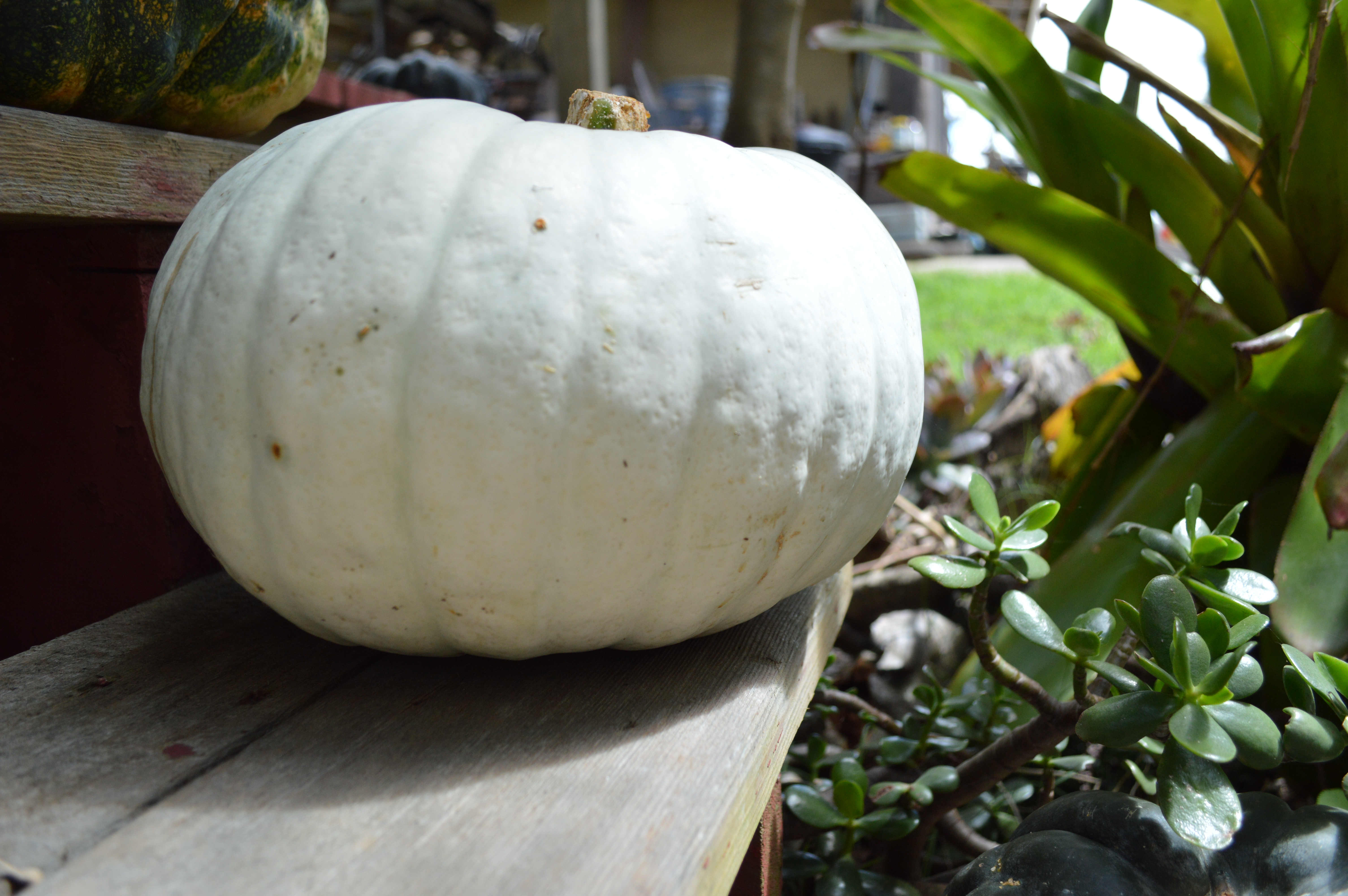
Sometimes an injury drives me out of the field and garage completely. It can happen to us all. When I get hurt, be it a knot in my back, or a sprained hand, I try to take it as an opportunity to expand my photography, writing, research, or my kitchen trials. The injury can lead to inspiration. Like other unexpected events, we can react in many ways. Injuries make me very aware of plan B, especially since I am a one person farm. Everything is on my shoulders. Being injured may sidetrack us from our immediate plans, but it has made me make changes that were very positive. One change that came from one too many slips and twists was as simple as changing my shoes. One of my customers observed that I carry about with 40-50 lbs in my arms at most times. She was right. That can be 1/3 to nearly 1/2 of my body weight. When I twist an ankle, or turn on a slippery floor, the additional weight is felt, and it can cause injury. Making a simple change to wearing better shoes, even sporting running shoes, made my delivery days more enjoyable. The wider base for your foot, the arch support, and lightness all made for a better, safer day. I calculated that in one day I lifted and moved 1850 lbs so to set up a photoshoot for the Hana Hou Magazine photographer that was visiting the farm. It was just a few bushels of pumpkins, but they were lifted and carried back and forth as props. It adds up. With the change to better shoes, I found that I was working longer hours, but I was less tired.

I don’t really want to get injured, nor do I desire windstorms, but I also know that when you choose to garden or farm, you put yourself in a very physical job immersed in unpredictable conditions. Complaining about the weather is a bonding experience for many of us, but let’s remind ourselves that we can use those unpredictable times to push us in a new direction, to reinvent, rest, or seek inspiration. Let a scorcher of a day lead you to an ice cream cone once in a while. Open a book and rest your back. Your productivity may actually increase. We may help to motivate a new generation of farmers if we treat ourselves with the same care and respect with which we treat out soil, our produce, and our communities. So let’s farm by example, and do our best to roll with it.

Try (New Things)

What if you thought that you couldn’t grow tomatoes or melons, or pumpkins, only to find out that you could have all along? A lot of Hawaii gardeners begin by thinking of mainland season, and mainland vegetables, Soon they watch their dreams fizzle as plant after plant fails. I read and respond to so many messages where all I can do is encourage experimentation, research, and expand your tastes. All kinds of plantings are possible, but sometimes, you have to be the one to figure out those possibilities. Now, so many of us have websites that can hopefully cut your research down by several seasons, if not years,  But due to micro climates, what works for me may not work for you, or maybe it will.   Often we must just try and see.  Many just want answers, they just want seeds, while others are problem solvers and researchers.

DSC_0964

Think it cannot be done? It can, trust me on that one.  We are now mining history for seed solutions that have been solutions for many generations. They have just been pushed out of popularity due to commercial interests. It is not too late.  The Internet connects growers and seed savers from around the globe.

hidden Marina Di Chioggia Possibilities are being rediscovered every season. So give it a try, and see if you can find your own solutions.  Inspiration is contagious.

DSC_0404

Interplanting With Squash

Squash are not known being team players in the garden, but are we giving them a fair chance?  Squash will grow out and over everything in it’s path, but if you plant other vegetables at the base of your squash you solve many things at once, let me explain.

For example, the Three Sisters method was a smart interplanting solution invented by the Native Americans, including the Iroquois.  Don’t believe me? Well, squash stars (well assists) in the beautiful flip side of the 2009 US Dollar coin.  That is right, not only I say that squash can play fair in the garden, the evidence is minted.

Though I was not yet able to do a true, successful Three Sisters Native American planting technique, I’ve been able to keep true to the underlying truth that considered what plants need, and how those needs can be connected in a self caring system.  I add in cherry tomatoes, or tomatillos, along with beans, corn, and squash.  At times I add plantings of okra or sunflowers in lieu of corn.  Tall stands of okra become an excellent resting spots for small birds that feed upon the pickle worm moths and other flying foes.  They use the okra as a lookout spot before diving in for a bug. So for those of you who think that a squash farm is just squash, you are missing a lot of the fun, and a lot of the harvest.  Not only does it create multiple crops from one watering and one application of fish emulsion, but it also is good for the soil.

Need more convincing?  Please remember that squash vines will grow away from this central point, leaving the other plants to breathe. So give squash a chance in your small garden or farm.  It will smother weeds, feed your family, and reduce water evaporation for those, like me, who grow in drought conditions. If the vines threatened to take over, prune them.  It is that simple. There is little to lose, and much to gain.

Glass Gem popcorn, Tigerella tomatos, Hawaiian Black Kabocha, Jimmy T's Okra, Rattlesnake pole bean...in harmony
Glass Gem popcorn, Tigerella tomatos, Hawaiian Black Kabocha, Jimmy T’s Okra, Rattlesnake pole bean…in harmony

Spring Cleaning at the Farm

In mid April, I have my days set on clean up.  Pulling grass, pruning chilis and eggplants, and replanting for the seasons ahead.  In the ever variable weather conditions of upcountry Hawaii, “now or never” springs to mind.  So here I am showing you how my mini kitchen gardens dapple the farm.  Though the invasive grass of the area may smother, it also protects the freshly made soil from wind erosion, as well as dehydration from the sun.

So try to think your way through tough situations, like how to deal with a smothering, drought hearty invasive grass that was brought in for the cattle industry, yet smothers the rest of us.  You are never going to win in this battle, you can only figure how to work with it’s existing properties. Kikuyu grass exists in Hawaii from 6000 ft elevation on down.  It also smothers other places like Australia.  Mowing it is one use, but the grass can be used as a living mulch that will retain soil moisture as squash vines crawl on top of it.  The grass can make bee pollination difficult, but at the same time, for squash, it can also make it difficult for melon fly and pickle worm to attack your squash plants.  There is an upside and usually a downside to just about any farm related matter in Hawaii.

Gardening Gratitude

I offered seeds in an innocent gesture prior to a class on positive communication. The woman who rejected the seeds assured me that neither the woman that I had inquired for, nor she personally had “time to garden.” It was growled at me. I kept the beautiful seeds tucked into my jeans pocket and wondered where have we gone wrong?

seeds

Gardening is considered a hobby in much of the United States.  We all know that we are conditioned by cheap low end food that is low in nutrition and light on the budget thanks to government subsidies and mass importation.  You are often hard pressed to locate local produce at grocery stores in Hawaii. People here in Hawaii often pick fights with me noting that they cannot afford organic vegetables, nor can they afford to take time to even grow one potted plant, then they drive away in $50,000 cars or trucks.  I’ve begun to wonder if they are happiest being unhappy.

These fights go nowhere, as they are one sided. I often simply reference their ability to make more of their dinners from whole food, rather than buying so many “ready made” meals that cost a fortune.  But part of me questions what is below the surface of these confrontations over things as simple and pure as whole food and free seeds?  I’ve gotten hate mail, harassment, stolen crops, and worst of all intentional crop destruction. I just want to provide food without using chemicals.

I once had a large group out to the farm for an educational tour.  They were seed savers.  It surprised, and disappointed me that three would mention stealing seeds from the farm, worse yet, laugh about stealing when I asked them not to.  Why would they pose as ethical, sustainable farmers and then steal?  What is the world coming to? I had already taken the initiative to share my knowledge and to hand pollinate, harvest and dry seeds for this group. They knew I would give my seed work to them in the form of seeds that would make squash growing easy.  It took years to accomplish this, but the point was to get Hawaii replenished with these vines that once covered the islands. I also had to wonder, how many more did, and didn’t tell me?  It made me wonder about gratitude and greed.

Many flock to Hawaii and expect all to be as perfect as the weather. The problem that confuses many here, is even when “paradise” or kindness and generosity is served up in the form of open sharing of knowledge, free seeds, or beautiful food, it is still rejected, stolen, or mowed down.

Recently, my neighbor died of an overdose.  Though shocking, it changed my life wildly. You see, my neighbor stole from my garden nearly every day.  She stomped plants, and then complained that she would take even more if she could identify what “weird” things I was growing. She complained about the taste of the beans.  I couldn’t comment, because I never got any. This was the second time in Hawaii that I had a neighbor like this.  I’d like to say that I was ready for this, but you never really are.

I work hard to defend myself from the verbal attacks and online trolls, there is little to do to protect your plants in your absence.  No fence, nor confrontation could keep her out.  What confused me initially was the stealing.  I offered a bounty to neighbors every chance I got, in part just due to kindness, but also hoping to keep thieving neighbors to stop crushing the plants. The more I offered, the more that was stolen.

Soon after, the man down the street started stealing more from my garden. He was stoned every time I encountered him. One afternoon, I went over to visit him, and asked him why my vegetables were on his lanai.  Rare heirloom vegetables are easy to identify.  Another time I went to my dance class where a woman boasted about stealing my pipinola (chayote) through the fence. I told her that she was stealing the fresh food from the pet pig.  Her jaw dropped.  She never considered a charging 400 pound pig into the theft equation, Perhaps it was the shock that she was looking for, she smiled and bragged;  she wanted to make me react. I realize Hawaii has problems with untreated mental illness, as well as overwhelming drug and alcohol addiction, but it now seems like it is hitting record levels. If you don’t believe me, plant something in your garden and set up a camera, and see what happens.

Two of the chefs that I supplied, and one of the grocery stores, all admitted that they have bought avocados, mangoes, citrus, squash, and other crops from “unknown sellers” who were not known as food producers.  One of the chef’s was thrilled to be getting “free produce” from a man who only wanted to receive meals at the restaurant.  What was happening, was “tree clearing” or field clearing thieves who roll in after dark were stealing through their “gathering” and then delivering and selling of produce that wasn’t theirs.   The farm has had tracks in the lime field from unknown vehicles driven between the citrus trees that were now empty. My squash curing table was raided many times, my seed pumpkins were stolen off the front step.  Tomatoes off the vine.  None of these people were hungry.  Drugs were the most common thread.  Agriculture crime is now being prosecuted in Hawaii, and it is indeed a growing trend.  These family farmers don’t get a break: 90% of the food is imported, the 10% that is locally grown, is then vulnerable to thieves and vandals.

Gratitude is a hard one to teach.  Many learn empathy, and gratitude when they are young, as they do it naturally, they just don’t have a name for it.  Others due to their design, will never develop gratitude.  They can mimic it, but they mimic it so to use it as a tool to manipulate.  That’s not gratitude,  Hopefully, we learn to take care of our things, and to not always want more.  Greed kills gratitude. When looking at the culture surrounding us, one hears the opposite message:  that “more” will fill the void, and empower us.  It’s really just a distraction and often a parade of power, or overpowering another.  For those of you who read my earlier post about my delivering bananas to my neighbors, I did make an effort, and found out who my kind neighbors were.  On the other side of the coin, through watching my garden, I learned also who the thieves and vandals were too.

Can we teach grownups to be grateful, even if they were raised in homes where it wasn’t taught, or where they had to be greedy in order to survive?  Can we teach the lady at the office to open her hand and her heart and accept a gift of seeds? and if she can use them, to share them with a neighbor who would like a chance to share in the beauty and potential captured within a seed and a garden. Can we as individuals continue to give, even when the receiver is ungrateful, or even unkind? We must.  We simply must be better.

These are tough situations to face, but many gardeners already understand the gratitude that can come from their labors.  Watching a garden grow is humbling, and sharing the bounty is rewarding. People can steal, stomp or mow down your fields, but they cannot steal your knowledge or your stamina,  It’s heart wrenching to deal with these people who struggle with, or are devoid of personal ethics and compassion for others.  But gardeners are resilient, and their knowledge is like an iceberg:  85% is unseen, and unable to be stolen. As difficult as it is, what better place to face these tough social issues then in the garden where life, potential, and beauty surrounds.

Get Growing Hawaii: lemongrass

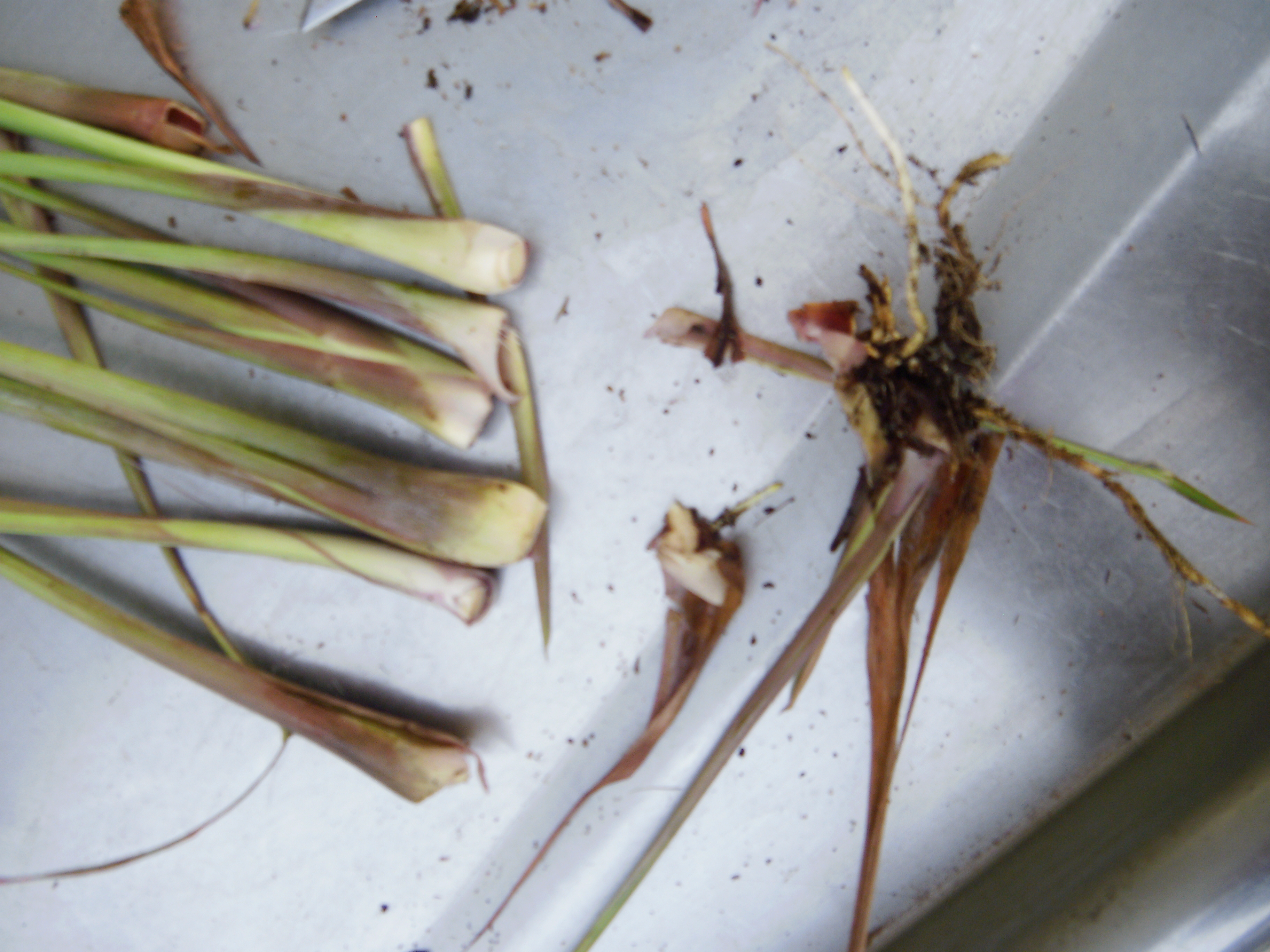
prepping lemon grass

I will openly admit it, I had no idea how to begin a lemongrass plant until I started composting the kitchen scraps from Redwater Cafe.  There in the midst of the “chop and drop” veggie scraps from the labors of many busy chefs sat the small fragile roots of the end cuttings of lemongrass.  I had never really thought about it prior, but when I saw the end pieces, I did what any thrifty farm girl would do, and planted them immediately in an area where my chili peppers grew.  I nearly forgot about them until, as I was pulling weeds, there were the beautifully formed shoots of lemongrass, waiting for harvest.  The luxury of garden plucked lemongrass was completely new to this midwesterner turned Hawaii farmer.  There were coconut milk curries awaiting these flavorful stems…I had to get cooking, but first, my forward thinking self cut the roots off and separated them and replanted them all about the garden.

I highly recommend this lovely herb in your tropical garden, and even your higher elevation garden (I am at 2600ft in Hawaii.) It sits quietly and stately anywhere you plant it.  Tall and grassy as the name illuminates, it becomes a year round herb that can be grown out of your kitchen trimmings.  Trust me, when you are not paying big bucks in the shops, you will find lots of uses for it.  The fragrance is divine, and treat it well with enriched compost and it will prosper. For some ideas to get your plantings inspired, see http://www.saveur.com/article/-/Recipes-with-Lemongrass and check out this lemongrass knot tying video too! http://www.saveur.com/article/Video/Video-How-to-Tie-Lemongrass

Growing notes:  We do get a variety of rust on the lemongrass leaves here in Hawaii. I recommend harvesting leaves/stems frequently, and if hit with rust covered leaves, just leave it planted, but cut them down to the base, as they will regrow quickly.  Make sure to quarantine leaves in a plastic bag so to not spread the rust plant disease. to other plants, farms or gardens.

Five top picks for starting a garden in Hawaii

OLYMPUS DIGITAL CAMERA OLYMPUS DIGITAL CAMERA

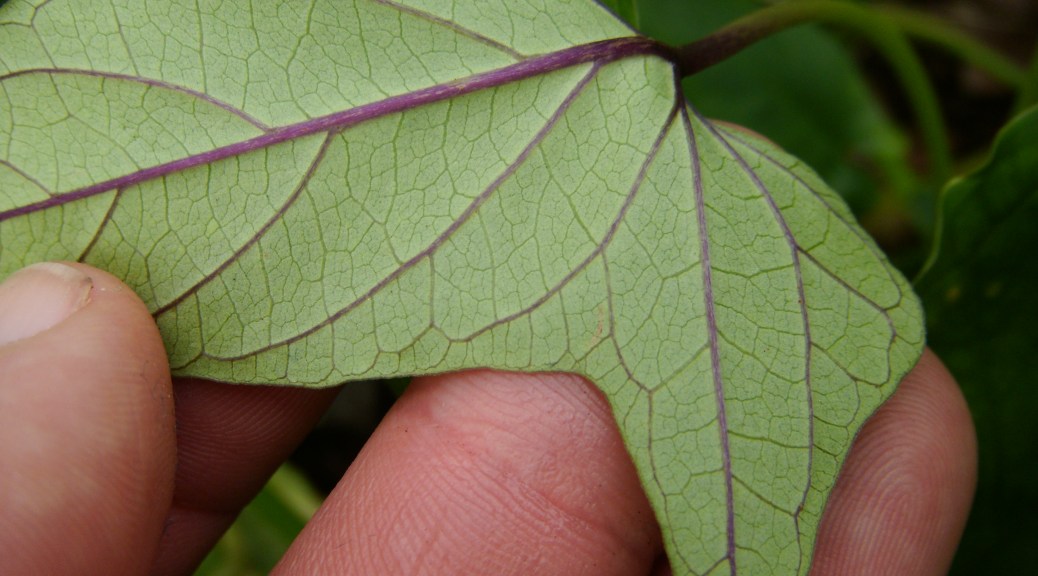
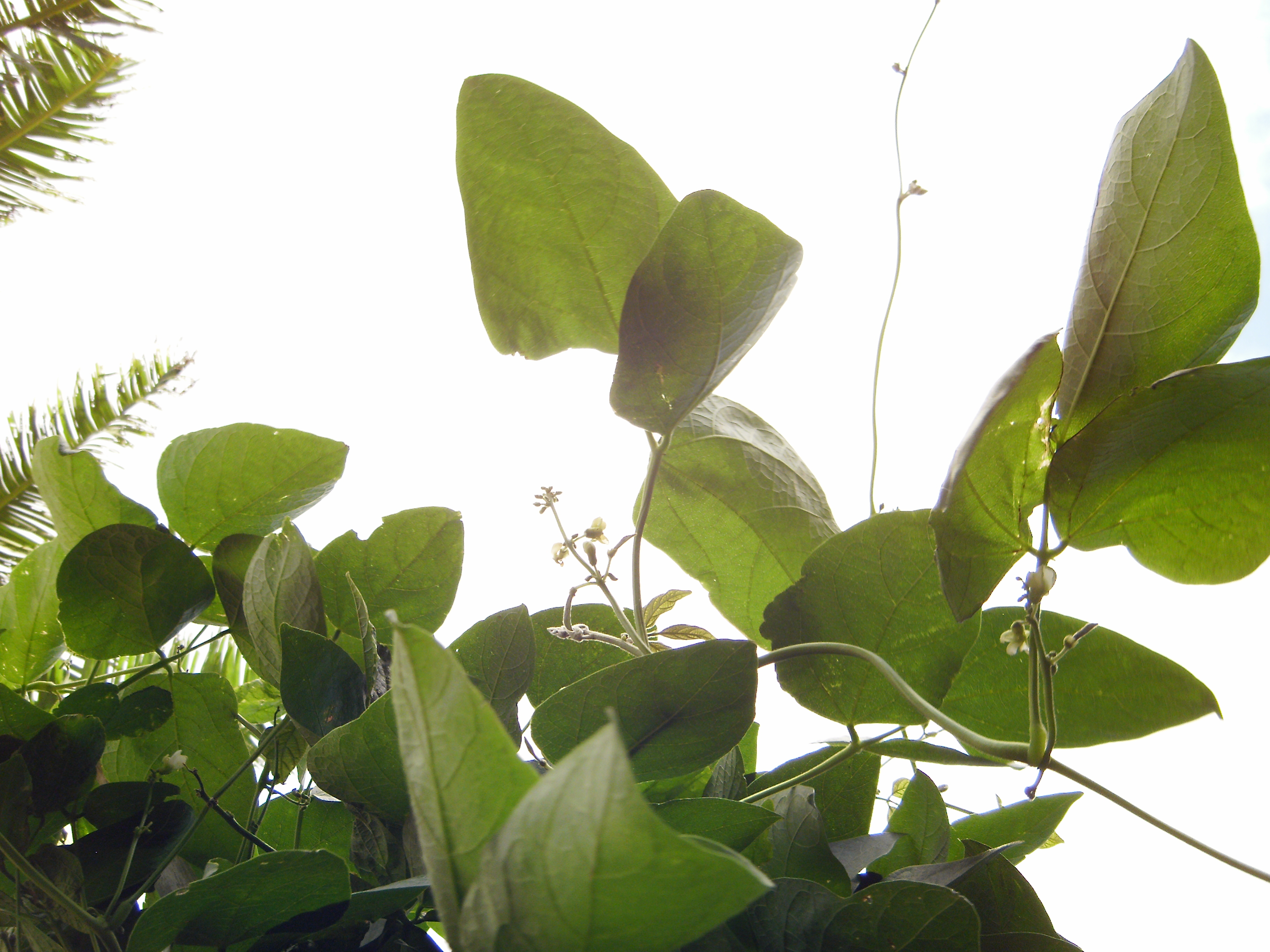
For those that are looking for a plant or two to get them started in their food growing efforts…here are a few ideas that are also ornamental. Each of these plants has become a reliable plant in the garden.  Some serve multiple purposes, as in ground cover and bee nectar plant. Florence fennel (for bulb and seeds) beans (lima/pole/bush) Thai Red Roselle (for calyxes and edible leaf) mint (for edible leaf) Sweet potato (for edible tuber)