Category Archives: permaculture

What Wants to Grow

When planting a garden, it is always nice to consider what wants to live in your area, rather than simply what you want to grow.  Consider being flexible in your chosen flavors, and expand to include unfamiliar tastes that happen to need very little care in Hawaii.  Here in Hawaii with the multitude of micro climates, one often feels fortunate when they discover something that becomes almost “wild” in their garden.  Other gardeners actually mope and complain, while ripping those plants out.

Such culinary wonders as mint and Florence (bulb) fennel spring to mind.  I know many who can grow these plant, but they do not.  They claim that they do not like the taste of them.  The point that I often make is simple: learn to like what likes to grow where you are.  It makes life oh so much easier, and it brings you into new culinary adventures as well.  Letting some of your beans and greens go to seed, and reseed themselves is a great joy, if you let it be.  Let your garden be a little less controlled, a little more lush, and give up on trying to dictate what grows where, and when.  Be an observer, and celebrate how nature leads the way with gardening lessons just as important as those that we search out in workshops and books.

If you notice that your Giant Red Mustard seems to shine in your garden, leg it over to your nearest library and seek out recipes that call for mustard greens.  Mint is expensive in the shops, but loves to tuck in under a drippy eve, or hose.  Mint pestos, mint coolers, mint dappled in fresh salads, or asian style noodle soups.  Research and celebrate, and I promise your gardening days will shine a little bit brighter..

Mint becomes a lovely ground cover underneath edible radish blooms.  This no till garden has many layers of life, just like nature itself.  Radish blooms will soon give way to radish seed pods that can also be harvested young and chopped into your dishes to make a meal sparkle.
Five top picks for starting a garden in Hawaii

OLYMPUS DIGITAL CAMERA OLYMPUS DIGITAL CAMERA

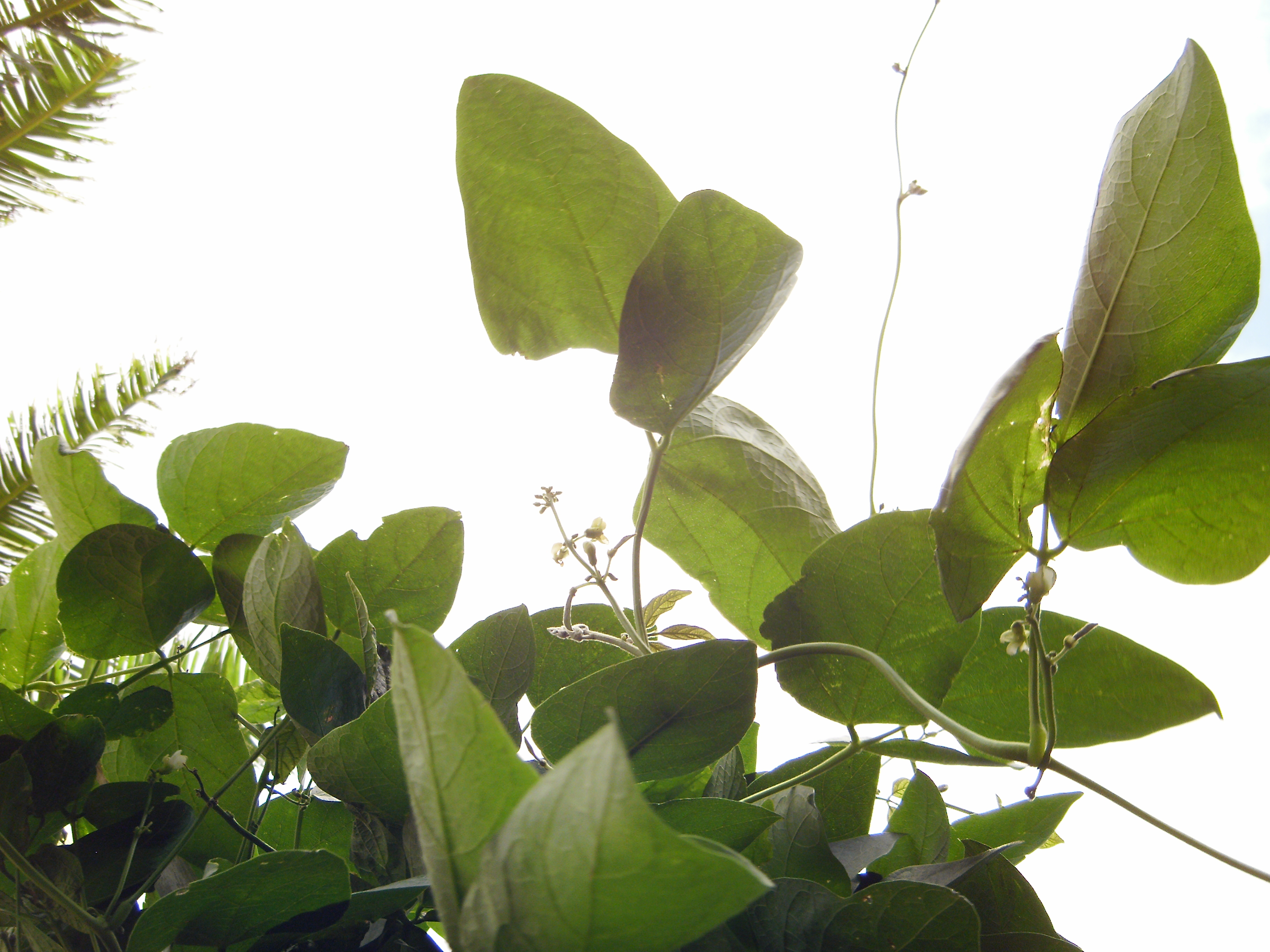
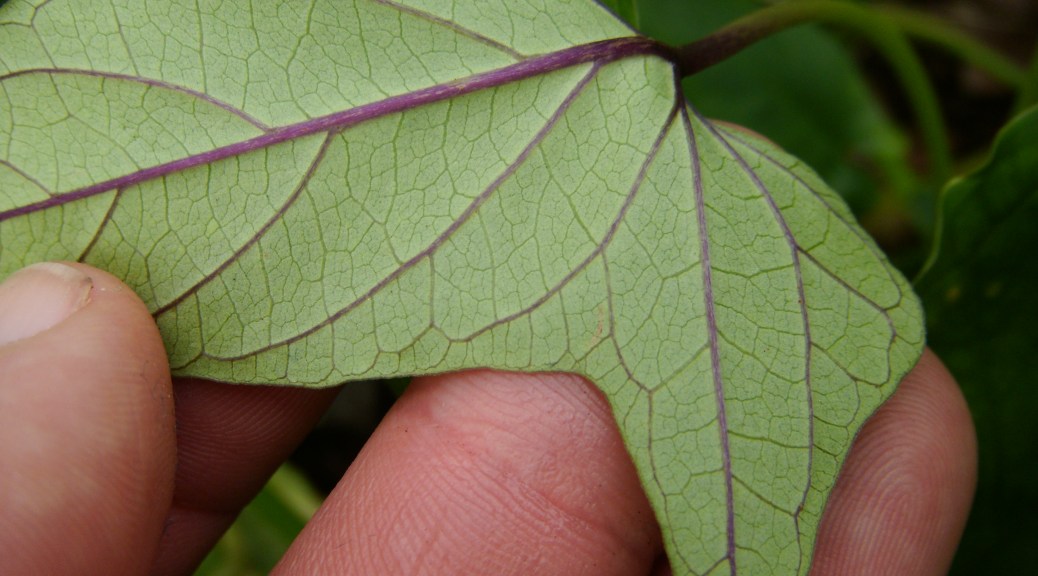
For those that are looking for a plant or two to get them started in their food growing efforts…here are a few ideas that are also ornamental. Each of these plants has become a reliable plant in the garden.  Some serve multiple purposes, as in ground cover and bee nectar plant. Florence fennel (for bulb and seeds) beans (lima/pole/bush) Thai Red Roselle (for calyxes and edible leaf) mint (for edible leaf) Sweet potato (for edible tuber)

Can Hawaiian Native Plants and Agriculture Co-exist?

Last November I questioned the idea: In Hawaii, where many native plants are endangered, or under threat, can I help the three varieties of native plants that exist on the farm property to thrive, while also benefiting squash production?  The answer ended up being a clear yes.

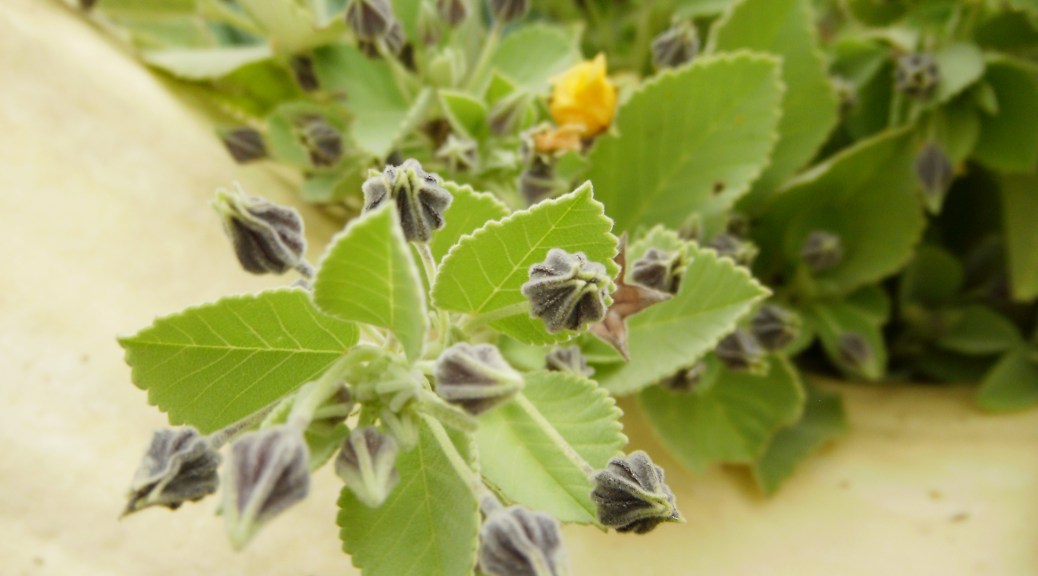
As we know, squash need a lot of everything: sun, water, compost, bees, the works. So instead of using non-native plantings to attract more bees, what if I studied the nature of the abundantly flowered native Ilima shrub and tried to work out a system where each would benefit?  The result : The Ilima Project.

Ilima is special, it is a hardy shrub that has struggled in the past 17 years as the Ka’u desert has extended it’s Northern border.  I found several of these native plants, and decided to be their caregiver by not pulling them up, and planting around them instead.  It created a perfect companion plant for the squash, while also nurturing a plant that many of the elders noted that “it used to be everywhere,” much like local kabocha squash.  I decided these two could stage a comeback together.  The Ilima thrived and it was most grateful for any bit of water or compost that it is offered.

I read in the excellent Bishop Museum Book, “Native Planters of Old Hawaii,” that the Ilima plant was often pruned heavily so to create even more buttercup like blooms for lei making. Though we often search specifically for the crop that we farm, here we can see how a regional and historical book can assist in modern farming, by applying this information that can assist with pollination. The fast growing shrub was tolerant of my experimental no-till techniques, and the bees plunged into bloom after bloom and pollinated the squash as well. The smaller blooms attracted many new bees and beneficial wasps that were “new” to the farm. The Ilima thrived, and created helpful pollination assists, as well as wind blocks for the squash that really doesn’t care for wind.

No-till using Ilima as a companion

success!  Growing squash with the Native Hawaiian Ilima plant
Success! Growing squash with the Native Hawaiian Ilima plant

As for the squash, they were happy too, as they climbed up and around the Ilima shrubs and across the no-till cardboard mulch. I grew out one of the world’s rare squash for seed preservation (the bright orange one from Armenia, C. pepo in the photo) along with my go to Hawaiian heirloom squash for the community, a Long of Naples, a grey ‘Crown’ squash that originated in South Africa, and also many lovely Thai squash (C.moschata.)

I am just adding compost to the beds so to have a late summer crop. The Ilima shrubs (seen in the rear of the wheelbarrow photo) are continuing to thrive.

Making organic fertilizer from sushi bar fish scrap

fish fertilizerOLYMPUS DIGITAL CAMERAOLYMPUS DIGITAL CAMERAOLYMPUS DIGITAL CAMERAOLYMPUS DIGITAL CAMERAOLYMPUS DIGITAL CAMERA

Simple and straight forward…fine pieces of fish scrap make a rich odor free fish emulsion when combined with unrefined sugar (or a mix of molasses and sawdust from untreated wood) in thin layers.  Top off with sugar in a thick layer, leave plenty of airspace at the top, and use a cotton tee shirt to allow it to breathe.  Periodically, you will continue to top dress with more sugar as needed.  The perfect rainy day gift making idea.  Who wouldn’t love to be suprized with this zero waste treat for their garden.

Leave in a shaded corner (garage or barn is good) where you can check on it.  It will take a few months to fully breakdown.  The rich dark syrup will then be used as approx one shot glass to 5 gal of water.  It will revive plants and help your farm and gardens grow.


Fish composting and fish emulsion

This week feels like two. It is a hot week here in Hawaii.  What better time to be carting about my body weight in fish heads?  Yes, you heard me.  Alright, so it isn’t an ideal time to be working with raw fish, but opportunity knocked, and I answered. The theme of the week is to make use of even more restaurant waste.  What better place to make the most of the discarded fish bits from our beloved Ahi and Mahi Mahi?  The Chefs have set me up with enough fish heads to enrich the new farm addition. I am getting my composting game in overdrive with the gloves pulled up high for this messy week….but I am ready and grateful for the challenge. And it should also be noted that I say a small prayer of gratitude for each fish that is added to the soil building project.

Fish composting and fish elulsion making are on the adjenda.

Organic no-till, sheet mulching, lasagna gardening

It takes a lot of time up front in the collection of mulch materials, but the big gain is that your squash plants can feed for months on the rich nutrients that you have made for them.  I plant when the bed is new.  That is not ideal, but it allows me to hit production faster.  Being in Hawaii, our composting beds age quicker than in cooler climates.  By the time the pants are two to three months old, the beds are beginning to break in…by six months (squash grow year round here if you work hard) the beds are getting rich and crumbly.