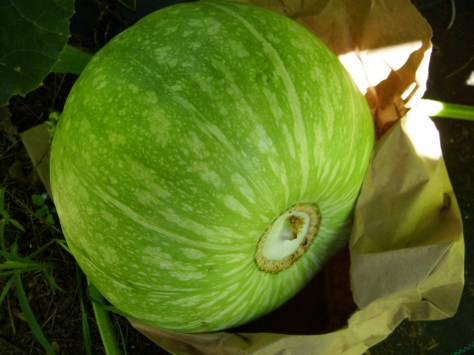
Protected from the Melon fly with plain brown paper bags, this simple but effective method keeps this exquisite beauty safe.
Protected from the Melon fly with plain brown paper bags, this simple but effective method keeps this exquisite beauty safe.

Shaded by Ironwood trees, this is the first of it’s kind here in the islands.
For some time I have been thinking about volunteering for the Kohala Watershed Partnership. It just seemed like the right thing to do. So one day while throwing back a coffee at the local Starbucks, I see a sign up sheet for the Starbucks volunteer day, and without a second thought, I move in with my pen ready to sign up. It seemed like a good time to take a breather from my daily weed pulling and planting and go do some weed pulling and planting somewhere else, while surrounded by lovely, engaging citizens. It helped too that it was MLK Jr day, and I always like to do something positive and community minded on that particular holiday.
So what does a day look like? We arrived at the Kohala Center at 8:30am and chatted as we drank from the coffee canisters that our Starbucks reps lovingly brought along, we signed wavers,snacked on our breakfasts then gathered into a circle where we introduced ourselves. We came from different walks of life, and to me represented the best of what society has to offer: go getter community builders who know the value in gathering together for a good cause. The cause was planting 600 lovely little native shrubs into the forest preserve, while also puling up the invasive grasses, and shrubs. I will spare you my attempt at recalling the Native Hawaiian name of the shrub we later planted.
We were loaded into 2wd transportation and talked the whole way. We buzzed up the steep slope of the Kohala mountain in no time. The equipment was unloaded by Kukui, Tawn and Cody while and we got a brief talk about the program from the Coordinator, Melora. There were many seasoned "regulars" in the volunteer crowd that made us feel at ease, I mean they had survived, and came back for more. We then carried what we thought we each could handle up into the mountain forest trail. We stopped to hear points of interest, as well as see the noticable lack of trees from destruction by cattle on one side of the fence, exotic (to a Wisconsin girl) Native Hawaiian trees on the other side of the fence. 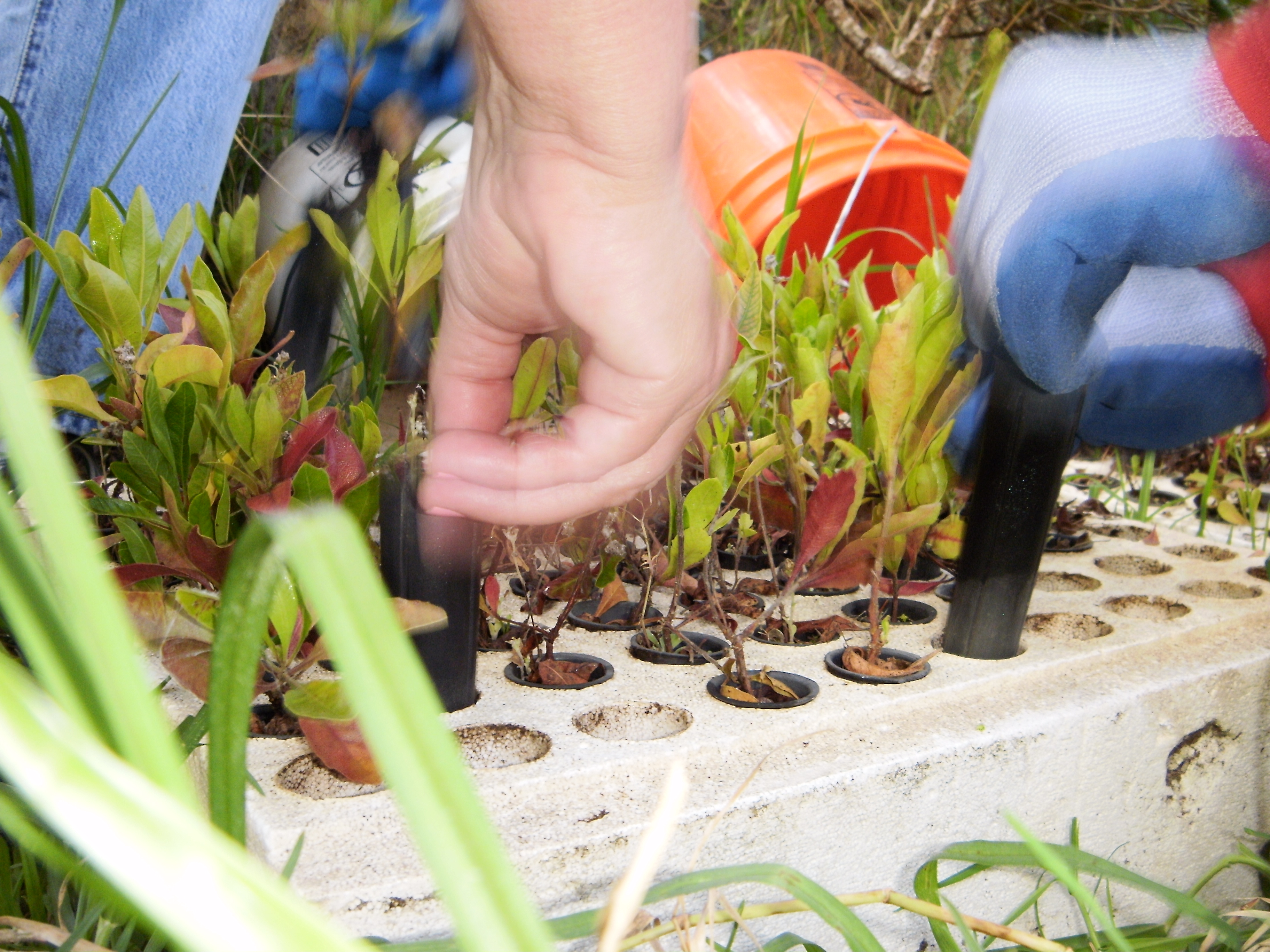
The day was split into two teams, two sections. The weed puller team and the planting team. I opted to be a weed puller teammate in the cooler morning hours. Plus I am notorious for doing the “hard work” before I am allowed the more fun task. So the weeders grabbed our pick axes and off we went. I clung pretty close to the Coordinator Melora, whose passion and enthusiasm was infectious. This well traveled woman has found her home and her calling here on the Kohala mountain. I hacked away at some of the same plants that I battle in my own farm, hand pulling fire weed and carefully crawling around the looming prickly pear cactus. Melora pointed out how the introduction of the bio control moth was working on the withering cactus. I know that that cactus doesn’t belong there, but I could not help thinking of childhood field trips to the Milwaukee Botanical domes where such a cactus wooed my tiny botanically inclined heart. But here in Hawaii…it is a no no. So I resisted my heart string urges and hacked on through the brush trying not to be wooed by the invasives. I also tried to “zip it” and just work away at times, and concentrate on the thorns and brambles and task at hand, but the conversations flowed so easily between us all, that I chatted my heart out for the entire day.

We broke for lunch and gathered together near the now dry creek that was flowing last week, and will again flow with the heavy rains that are falling as I type. The teams switched positions, and the weeders now became planters with team leaders Cody and Kukui. We were instructed by Cody to think about the way the water flowed across the landscape, so to plant the shrublings were they were most likely to thrive. It was a poetic moment that punctuated the afternoon heat with silent thoughts of the future of these plants, the future results of our actions. A few of us pulled into ourselves and tried our best to imagine the rains coming to nurture the tiny ones. In the midst of a 9 year drought, these plants need all of the help they can get. Cody and Kukui both had a way of surveying the land with eyes that are filled with a knowledge that I personally did not possess. They knew the good spots for these young plantings, and were rewarded by seeing their earlier successes rising up through the powdery red soil. I tried my best to channel this knowledge in some way, for the plant’s sake. I also tried my best to wrestle a pumpkin recipe out of guide Kukui, whose heart shined through his smile like a beacon for us all. In the mid afternoon heat, I tormented my fellow planters with talk of all things food. I am ruled by my stomach, and seemed to scream that loud and clear as I encouraged my workmates to swap recipes as we worked. Here we were high atop the Kohala mountain talking about chow while our dwindling supply of snacks was left behind us at the “lunch camp.”
Melora joined us and encouraged us to walk a bit more so to see the beautiful spot that is featured in my photo above. Orange lichen clinging to ancient stones beneath a tree that would make anyone swoon. The tree, a stoic elder that would watch over the young plantings, as we turned to go. Stephanie, Cody and I walked back to the gathering place. We rested with the group, and celebrated our companionship beneath trees that had seen many years of volunteers. I shared the last of my lunch pail, and accepted an apple offering from Malora. I was joined by the young Ruby, who’s child frame sprung from rock to rock like a forest nymph. She showed me the wonders of how to weave grass and leaves into zig zags. I thanked her for joining us, and she offered up an explanation well beyond her years. Adorned with the blazen red hair of a Klimt painting, she pushed up her glasses and looked deep into my eyes and said simply, “I have decided that I am going to take care of this place.” Her earnest words made a tear start to form in my eye. I quickly swatted back the tear and feigned that it was a mosquito. But that was no mosquito, and everyone was on to me. The soft heart was there exposed, and ready to fill that creek bed with tears of love. I carried those wise words upon my shoulders all the way back to the van. Ruby, her Mother and I sat together in the same seat row. When the door slid shut, Ruby exclaimed, “There are three red heads in the same row!” Elated at the genetic lottery that would bond us for life, we laughed in solidarity at the many ways that strangers can connect if they make an effort to.
We filed out of the van and into each others arms with hugs, good wishes, and number exchanges. As we drifted off many of us pledged to return, and like the sweet child Ruby, we would also vow to take care of “this place,” however we define that.
hawp.org/volunteer/



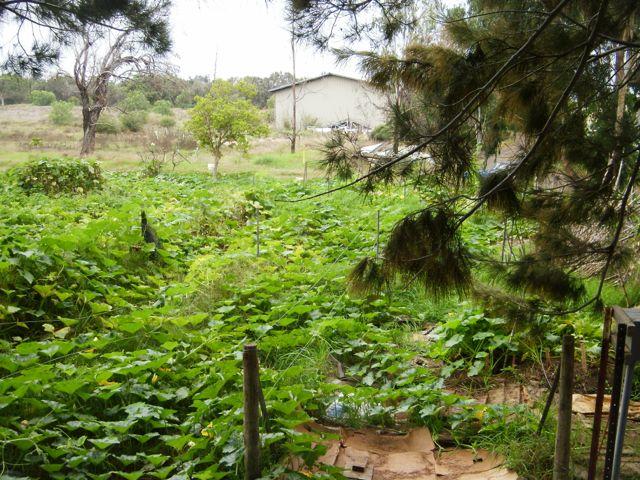
I haven’t mentioned this on the site as of yet, but it is important to do so. After much debate, the Mayor passed the legislation on behalf of the farmers, the Native Hawaiians, and the many concerned citizens of the state and beyond. It is hard to sum up the importance of this legislation for me personally, but I will try. I wrote two testimonies and delivered one in person. It was terrifying for me. I get stage fright, so delivering testimony was one of the hardest things I have ever done. But I had to get it together and look beyond myself to see the power in numbers, and stand tall. On a practical level, it was also completely necessary for me to do because GMO squash would wipe me out. GMOs have the potential to wipe out many who are organic. You loose you Organic certification if your fruits/veg test positive for GMO. Believe it or not, some non organic farmers tried to say that that wasn’t a very big issue. Loosing your certification/foreign markets due to your neighbor’s actions would probably be a pretty big deal to most people.
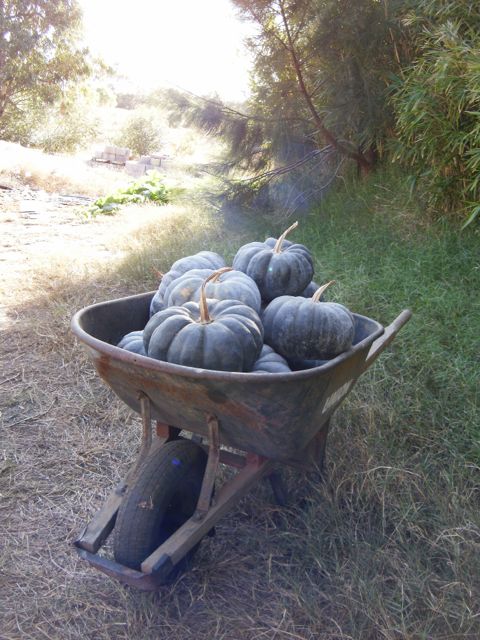
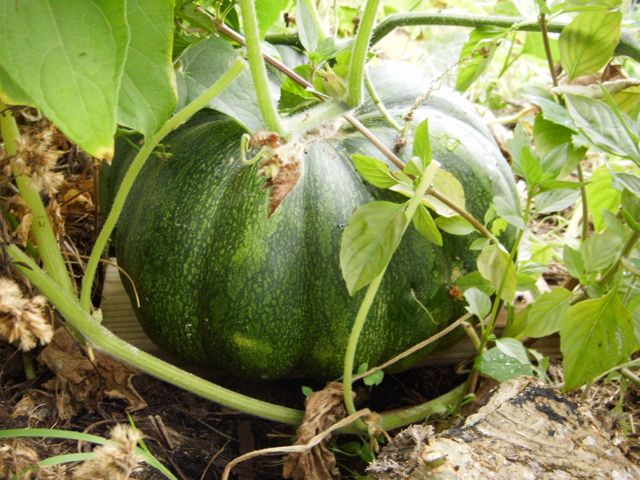
For me personally, it allows me to continue to grow squash without cross pollination with GMO varieties. Squash is one of the most susceptible to cross contamination, and since bees travel many miles, it is almost impossible to control without close pinning shut each and every bloom (not possible on this scale that I am growing.) Different varieties of squash all cross with each other so that without a shutdown of GMO seeds, GMO squash would quickly cross contaminate the existing squash farms, and wipe out all local squash varieties, and we have no local seed bank to go to. It allows me to continue to offer pure strains of pumpkins that were in the hands of our ancestors. It allows me to know what I am growing, and to be proud of what I am doing with my life. It allows me to expand my farming efforts, and celebrate the uniqueness of our isolated island environment. It allows me to offer non-gmo squash and pumpkins from Hawaii all of which are grown in hand built soil using organic methods.
This is just what is on my mind right now. It is like the skies opening after the rain. It is possibilities for the future of farming, of reclaiming sustainable methods, and feeding our families right. It sets us apart from the rest of the state in the best possible way. The Big Island is now a leader. OK off the soapbox.


Here is an example of a new “tropical composting bed method” that I am trying to invent. Will it work? For sure…well with enough time, all composting works if you add a big range of materials. Here are the zero-waste salvage materials found on the farm, and donated by Redwater Cafe.
Border walls: basalt growing blocks salvaged from a greenhouse
Base layer: ocean fish scrap
Second layer: green veg waste and egg shells
Third Layer: fairly well broken down Ironwood needles
Fourth layer: coral sand
Fifth layer: a dusting of soil from the farm
more layers to follow…
to be continued…

So there are three buckets of varying sizes, all draped in cotton t-shirt material, sitting in the far back corner of the work shed. The scent is slightly warf-esque, but not too bad. This is week two. I am using a modification of Korean Natural Farming’s fish emulsion (natural fertilizer) method of layering fish with sugar to create a stock nutritional solution for the plants. Each bucket is a trial. One uses whole fish heads from Ahi, Mahi Mahi, and Snapper, one uses only the belly meat, and the last was done properly by chopping all with a machete before layering. 100% of the fish were rescued from the landfill by the helpful local chefs who allowed me to intercept and make use of the restaurant scraps. I am checking to see what the breakdown rates are here in the tropics. So far so good. Many Mahalos to John for assisting in the “properly made” batch. I am using reclaimed plastic pails, but glass or ceramic is preferred. I may have overdone the sugar…but we will see what happens.
to be continued…
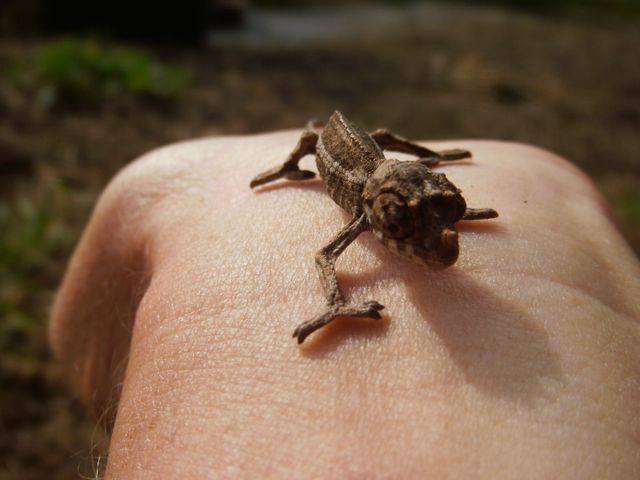
When walking the Ironwood lined path behind the squash vines, this tiny man was found working his way home. Beautiful and independent, I let him go again so that he could return to his tall tree home.
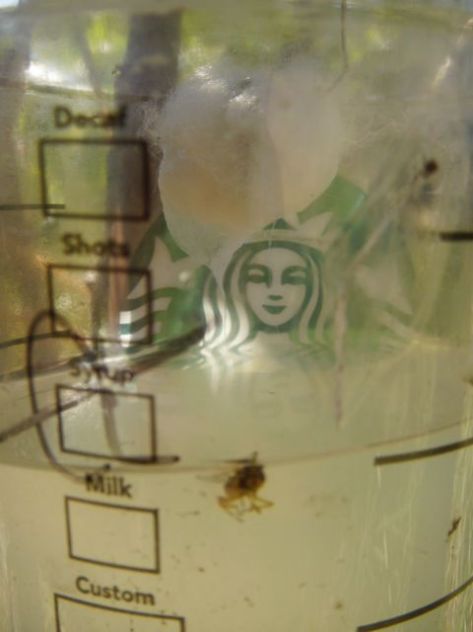
A venti Starbuck’s cup had a second life on the farm as a fruit fly lure. Here in the foreground, a male Oriental Fruitfly (one of 4 species of fruit fly here in Hawaii) floats in a mild soap solution after being lured by the Methyl Eugenol drops that were placed on the suspended cotton ball. A cheap and effective reuse solution. Next…the Melon Fly!
It takes a lot of time up front in the collection of mulch materials, but the big gain is that your squash plants can feed for months on the rich nutrients that you have made for them. I plant when the bed is new. That is not ideal, but it allows me to hit production faster. Being in Hawaii, our composting beds age quicker than in cooler climates. By the time the pants are two to three months old, the beds are beginning to break in…by six months (squash grow year round here if you work hard) the beds are getting rich and crumbly.
 Squash and Awe