Category Archives: gardening

Spring Cleaning at the Farm

In mid April, I have my days set on clean up.  Pulling grass, pruning chilis and eggplants, and replanting for the seasons ahead.  In the ever variable weather conditions of upcountry Hawaii, “now or never” springs to mind.  So here I am showing you how my mini kitchen gardens dapple the farm.  Though the invasive grass of the area may smother, it also protects the freshly made soil from wind erosion, as well as dehydration from the sun.

So try to think your way through tough situations, like how to deal with a smothering, drought hearty invasive grass that was brought in for the cattle industry, yet smothers the rest of us.  You are never going to win in this battle, you can only figure how to work with it’s existing properties. Kikuyu grass exists in Hawaii from 6000 ft elevation on down.  It also smothers other places like Australia.  Mowing it is one use, but the grass can be used as a living mulch that will retain soil moisture as squash vines crawl on top of it.  The grass can make bee pollination difficult, but at the same time, for squash, it can also make it difficult for melon fly and pickle worm to attack your squash plants.  There is an upside and usually a downside to just about any farm related matter in Hawaii.

Gardening Gratitude

I offered seeds in an innocent gesture prior to a class on positive communication. The woman who rejected the seeds assured me that neither the woman that I had inquired for, nor she personally had “time to garden.” It was growled at me. I kept the beautiful seeds tucked into my jeans pocket and wondered where have we gone wrong?

seeds

Gardening is considered a hobby in much of the United States.  We all know that we are conditioned by cheap low end food that is low in nutrition and light on the budget thanks to government subsidies and mass importation.  You are often hard pressed to locate local produce at grocery stores in Hawaii. People here in Hawaii often pick fights with me noting that they cannot afford organic vegetables, nor can they afford to take time to even grow one potted plant, then they drive away in $50,000 cars or trucks.  I’ve begun to wonder if they are happiest being unhappy.

These fights go nowhere, as they are one sided. I often simply reference their ability to make more of their dinners from whole food, rather than buying so many “ready made” meals that cost a fortune.  But part of me questions what is below the surface of these confrontations over things as simple and pure as whole food and free seeds?  I’ve gotten hate mail, harassment, stolen crops, and worst of all intentional crop destruction. I just want to provide food without using chemicals.

I once had a large group out to the farm for an educational tour.  They were seed savers.  It surprised, and disappointed me that three would mention stealing seeds from the farm, worse yet, laugh about stealing when I asked them not to.  Why would they pose as ethical, sustainable farmers and then steal?  What is the world coming to? I had already taken the initiative to share my knowledge and to hand pollinate, harvest and dry seeds for this group. They knew I would give my seed work to them in the form of seeds that would make squash growing easy.  It took years to accomplish this, but the point was to get Hawaii replenished with these vines that once covered the islands. I also had to wonder, how many more did, and didn’t tell me?  It made me wonder about gratitude and greed.

Many flock to Hawaii and expect all to be as perfect as the weather. The problem that confuses many here, is even when “paradise” or kindness and generosity is served up in the form of open sharing of knowledge, free seeds, or beautiful food, it is still rejected, stolen, or mowed down.

Recently, my neighbor died of an overdose.  Though shocking, it changed my life wildly. You see, my neighbor stole from my garden nearly every day.  She stomped plants, and then complained that she would take even more if she could identify what “weird” things I was growing. She complained about the taste of the beans.  I couldn’t comment, because I never got any. This was the second time in Hawaii that I had a neighbor like this.  I’d like to say that I was ready for this, but you never really are.

I work hard to defend myself from the verbal attacks and online trolls, there is little to do to protect your plants in your absence.  No fence, nor confrontation could keep her out.  What confused me initially was the stealing.  I offered a bounty to neighbors every chance I got, in part just due to kindness, but also hoping to keep thieving neighbors to stop crushing the plants. The more I offered, the more that was stolen.

Soon after, the man down the street started stealing more from my garden. He was stoned every time I encountered him. One afternoon, I went over to visit him, and asked him why my vegetables were on his lanai.  Rare heirloom vegetables are easy to identify.  Another time I went to my dance class where a woman boasted about stealing my pipinola (chayote) through the fence. I told her that she was stealing the fresh food from the pet pig.  Her jaw dropped.  She never considered a charging 400 pound pig into the theft equation, Perhaps it was the shock that she was looking for, she smiled and bragged;  she wanted to make me react. I realize Hawaii has problems with untreated mental illness, as well as overwhelming drug and alcohol addiction, but it now seems like it is hitting record levels. If you don’t believe me, plant something in your garden and set up a camera, and see what happens.

Two of the chefs that I supplied, and one of the grocery stores, all admitted that they have bought avocados, mangoes, citrus, squash, and other crops from “unknown sellers” who were not known as food producers.  One of the chef’s was thrilled to be getting “free produce” from a man who only wanted to receive meals at the restaurant.  What was happening, was “tree clearing” or field clearing thieves who roll in after dark were stealing through their “gathering” and then delivering and selling of produce that wasn’t theirs.   The farm has had tracks in the lime field from unknown vehicles driven between the citrus trees that were now empty. My squash curing table was raided many times, my seed pumpkins were stolen off the front step.  Tomatoes off the vine.  None of these people were hungry.  Drugs were the most common thread.  Agriculture crime is now being prosecuted in Hawaii, and it is indeed a growing trend.  These family farmers don’t get a break: 90% of the food is imported, the 10% that is locally grown, is then vulnerable to thieves and vandals.

Gratitude is a hard one to teach.  Many learn empathy, and gratitude when they are young, as they do it naturally, they just don’t have a name for it.  Others due to their design, will never develop gratitude.  They can mimic it, but they mimic it so to use it as a tool to manipulate.  That’s not gratitude,  Hopefully, we learn to take care of our things, and to not always want more.  Greed kills gratitude. When looking at the culture surrounding us, one hears the opposite message:  that “more” will fill the void, and empower us.  It’s really just a distraction and often a parade of power, or overpowering another.  For those of you who read my earlier post about my delivering bananas to my neighbors, I did make an effort, and found out who my kind neighbors were.  On the other side of the coin, through watching my garden, I learned also who the thieves and vandals were too.

Can we teach grownups to be grateful, even if they were raised in homes where it wasn’t taught, or where they had to be greedy in order to survive?  Can we teach the lady at the office to open her hand and her heart and accept a gift of seeds? and if she can use them, to share them with a neighbor who would like a chance to share in the beauty and potential captured within a seed and a garden. Can we as individuals continue to give, even when the receiver is ungrateful, or even unkind? We must.  We simply must be better.

These are tough situations to face, but many gardeners already understand the gratitude that can come from their labors.  Watching a garden grow is humbling, and sharing the bounty is rewarding. People can steal, stomp or mow down your fields, but they cannot steal your knowledge or your stamina,  It’s heart wrenching to deal with these people who struggle with, or are devoid of personal ethics and compassion for others.  But gardeners are resilient, and their knowledge is like an iceberg:  85% is unseen, and unable to be stolen. As difficult as it is, what better place to face these tough social issues then in the garden where life, potential, and beauty surrounds.

Get Growing Hawaii: lemongrass

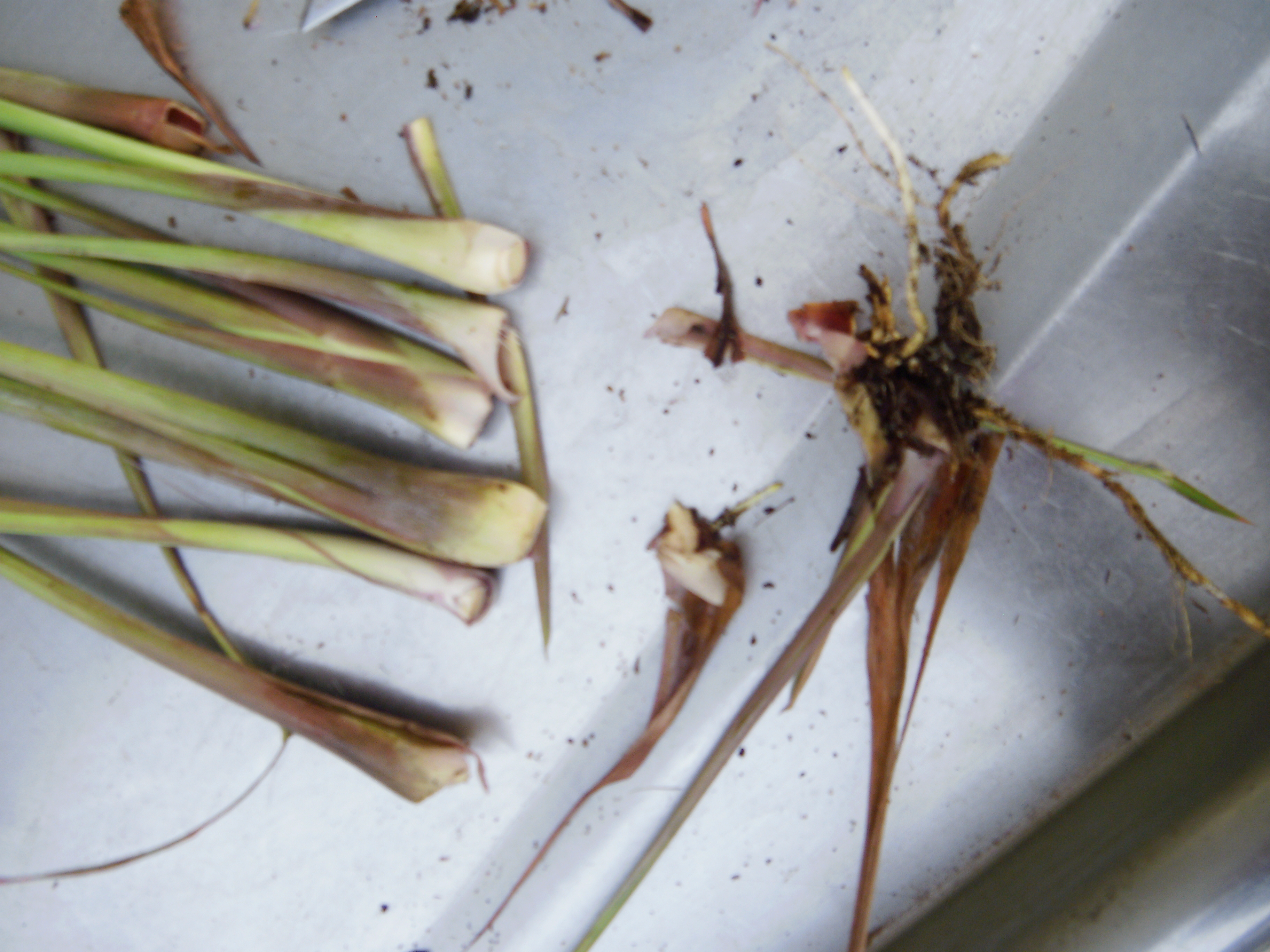
prepping lemon grass

I will openly admit it, I had no idea how to begin a lemongrass plant until I started composting the kitchen scraps from Redwater Cafe.  There in the midst of the “chop and drop” veggie scraps from the labors of many busy chefs sat the small fragile roots of the end cuttings of lemongrass.  I had never really thought about it prior, but when I saw the end pieces, I did what any thrifty farm girl would do, and planted them immediately in an area where my chili peppers grew.  I nearly forgot about them until, as I was pulling weeds, there were the beautifully formed shoots of lemongrass, waiting for harvest.  The luxury of garden plucked lemongrass was completely new to this midwesterner turned Hawaii farmer.  There were coconut milk curries awaiting these flavorful stems…I had to get cooking, but first, my forward thinking self cut the roots off and separated them and replanted them all about the garden.

I highly recommend this lovely herb in your tropical garden, and even your higher elevation garden (I am at 2600ft in Hawaii.) It sits quietly and stately anywhere you plant it.  Tall and grassy as the name illuminates, it becomes a year round herb that can be grown out of your kitchen trimmings.  Trust me, when you are not paying big bucks in the shops, you will find lots of uses for it.  The fragrance is divine, and treat it well with enriched compost and it will prosper. For some ideas to get your plantings inspired, see http://www.saveur.com/article/-/Recipes-with-Lemongrass and check out this lemongrass knot tying video too! http://www.saveur.com/article/Video/Video-How-to-Tie-Lemongrass

Growing notes:  We do get a variety of rust on the lemongrass leaves here in Hawaii. I recommend harvesting leaves/stems frequently, and if hit with rust covered leaves, just leave it planted, but cut them down to the base, as they will regrow quickly.  Make sure to quarantine leaves in a plastic bag so to not spread the rust plant disease. to other plants, farms or gardens.

Finding My Voice

The National Heirloom Expo, The Squash Epicenter, The Squash Super Bowl.  I have called it many things in the past few months as I made preparations to attend for the first time.  My nervousness and excitement grew as my dreams and participation level also grew.  I had gotten myself into a beautiful mess of sorts as I responded to a critical email from Jere Gettle, president of Baker Creek Heirloom Seed Company, and founder of the National Heirloom Expo, with a very quick and decisive “YES!” to his question of if I would present a talk.  This may not seem like a lot to many, but in the weeks prior, as a first year farmer, I had gone from the idea of I should go to the event, to being a presentation speaker. It was slightly terrifying upon review of my situation.  It was a big step, but also something that seemed to manifest itself quite naturally.  It was one of those thoughts that flashes in your mind, then 48 hours later, the email came. I tried to calm my near panic with soothing thoughts of “it is meant to be,” and “this is what you are meant to do,”  but it wasn’t working. Regardless of all the reassuring thoughts, trying out my first ever Powerpoint at a National Expo seemed like a bad idea to most.

You see, it wasn’t simply a new Powerpoint, it was the Powerpoint that was rejected in my Hawaii agriculture class when my business plan was deemed “and unworkable business model.”  There was far too much do gooding and elder outreach to be a real farm.  I was doomed to failure as a farmer.  Here I was like a farming Phoenix rising from the smoldering compost of my fledgling farm with my failed Powerpoint. Though the image was nice, the reality was still troubling. I decided that the underdog farmer’s story is just as valid as any other story, and that what good is giving a speech if nobody can relate to you.  Everyone has snuffed the life out of a garden plant, or two, fumbled through absurdly steep learning curves, and had to practically force produce on people so to get them to trust your venture.  So I slid in slides and talking points and the framework told my story, the story of a tiny zero waste farm trying to make a go of it in the midst of a drought, fruit flies, and unexploded WWII ordinances.

For those that do not think in terms of slides or transitions, or talking points for that matter, I am with you. I decided to change my way of looking at the Powerpoint and reenvision it as a photographic safety net. I was not comfortable with my speaking, but quite comfortable with my photography.  I had roamed the globe, and crawled through muck to find the quiet angles of discovery. If I put in enough images I am sure they would shake the words out of me if I froze mid speech.  My Father was a natural storyteller, or as the Irish say, he had the gift of the gab.  He could inform, entertain, inspire, and more. I hoped to channel him during my talk.  Having over six generations of now passed farmers looking over me, I figured one of their farmer entity spirits may have had some time off and would be looking over me during my talk. What I have forgotten to mention is that I often become so terrified when I give a speech, that I have little if any memory of the event.  Perhaps a detail or two, like the woodgrain of the podium, or the ear rings worn my the person who “miked” me up because I have the voice of a mouse. I would be stunned as strangers would hug me post talk and marvel at the monkey story that I told.  My response was frequently, “oh no, I told a monkey story?” But from what I would hear time and time again,  it was a meaningful, well placed monkey story, so I had to just accept that my speaker mind went on autopilot and always saved the day.

I have taken my fear of speaking through many public speaking classes, and even took this fear internationally.  I stood before an inter island grouping of tribal elders, and daringly chose to work without a translator, so I babbled my thank you to them in many tribal dialects.  For once the monkey stories may have revelant, I may have told them, who knows, I went blank. So why did I keep doing this if it pained me so?  It seemed like a reasonable question to those who were concerned about an ulcer being in my future.  So why?  The answer is a simple one for me.  I love stories. I adore language, and the sharing of ideas.  I want to be transported and inspired to reach new places. But most importantly, I believe that those who love stories need to be storytellers themselves. Your own sharing will create a ripple effect so that the great art of the speech will not be lost.  Do and encourage others to do the same, one monkey story at a time.

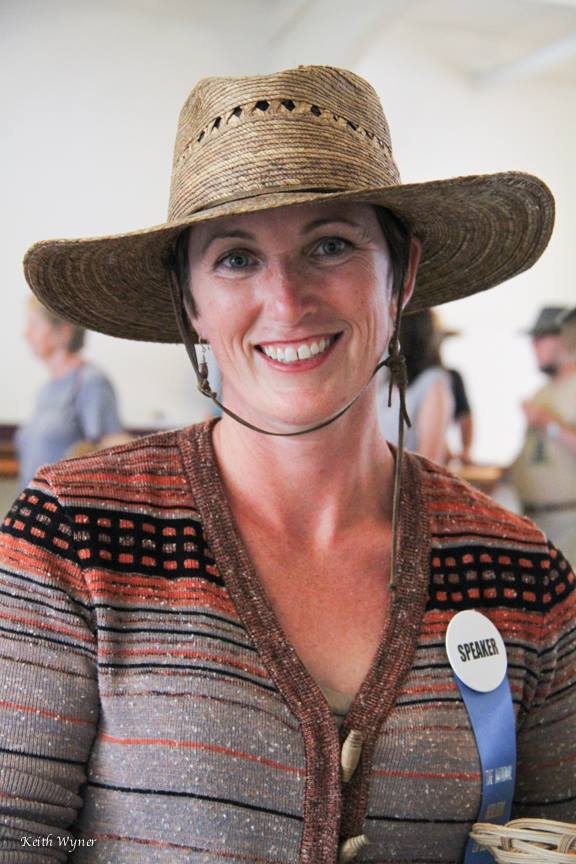
10672244_10152701293169281_7761772200918282263_nAfter the Heirloom expo speech. photo by Keith Wyner

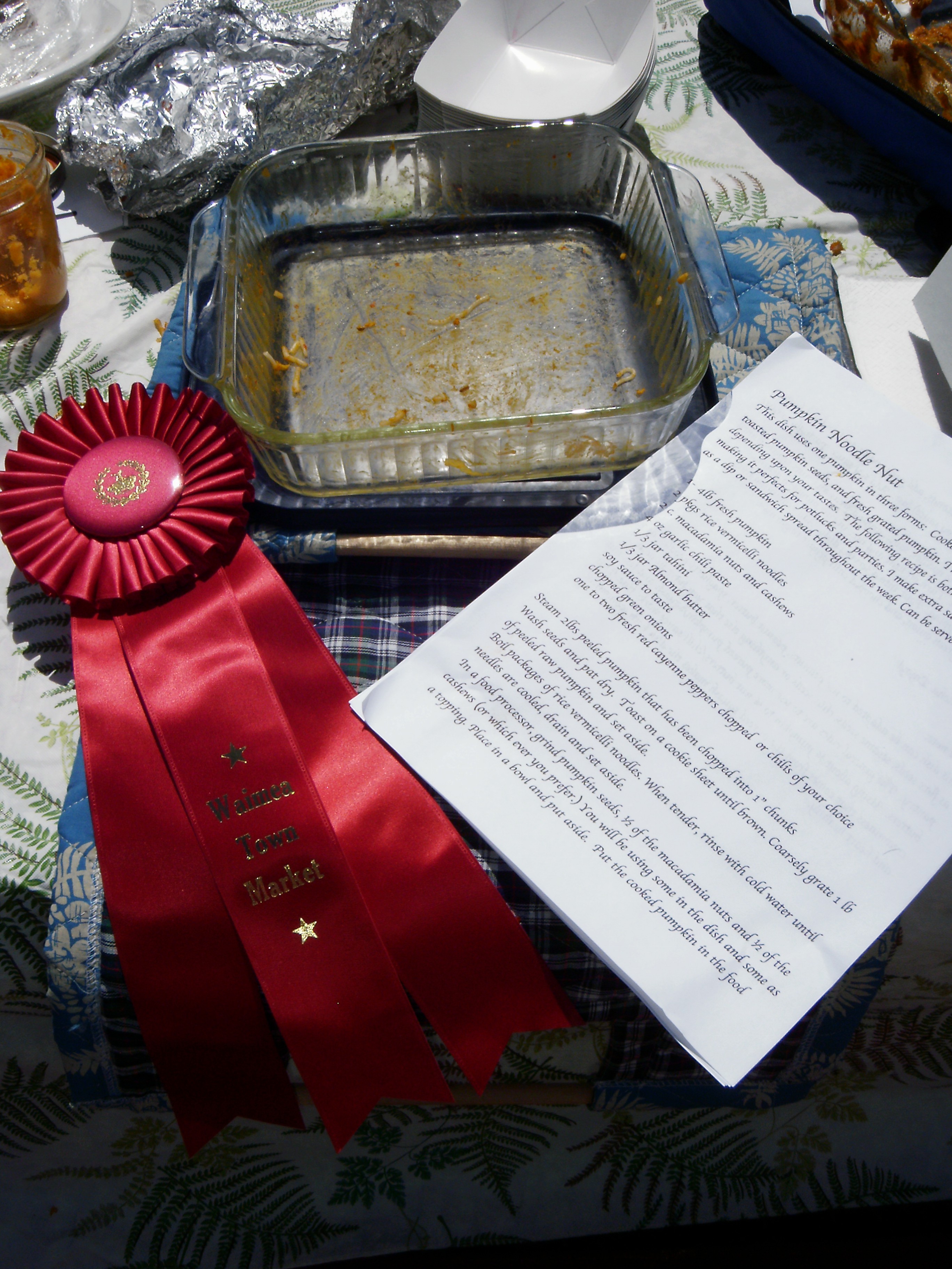
Prize Winning Pumpkin Noodle Nut Recipe: Vegan, and Gluten Free

Pumpkin Noodle Nut 

This dish uses one pumpkin in three forms: Cooked pumpkin puree, ground toasted pumpkin seeds, and fresh grated pumpkin. The recipe is highly adaptable depending upon your tastes. The following recipe is both vegan and gluten free making it perfects for potlucks and parties. This is a rough recipe made in potluck proportions, downsize or up size depending on your needs. I make extra sauce and use it chilled as a dip or sandwich spread throughout the week. Can be served hot or cold.

4lb fresh pumpkin

2 pkgs rice vermicelli noodles

2 c. macadamia nuts and cashews

4 oz garlic chili paste

1/3 jar tahini

1/3 jar Almond butter

soy sauce to taste

chopped green onions

one to two fresh red cayenne peppers chopped or chilis of your choice

Steam 2lbs peeled pumpkin that has been chopped into 1” chunks

Wash seeds and pat dry. Toast on a cookie sheet until brown. Coarsely grate 1 lb of peeled raw pumpkin and set aside.

Boil packages of rice vermicelli noodles. When tender, rinse with cold water until needles are cooled, drain and set aside.

In a food processor, grind pumpkin seeds, ½ of the macadamia nuts and ½ of the cashews (or which ever you prefer.) You will be using some in the dish and some as a topping. Place in a bowl and put aside. Put the cooked pumpkin in the food processor container, pulse for a few seconds, add garlic chili paste, seed and nut butters, pulse until blended. Add shoyu (soy sauce) last. Add soy sauce sparingly to taste.

In a deep frying pan, tumble noodles, sauce, ground seeds and nuts together until warmed and well blended. Turn off heat and mix in raw pumpkin gratings reserving 1 cup for topping. Pour into a serving dish. Add remaining nuts, grated pumpkin, green onion, and chopped chili pepper to garnish.

Serve with aloha. Enjoy!

Please note:

This dish can be adapted to use peanuts, peanut butter, spaghetti noodles, as well as flax seeds, sesame seeds, chia seeds or anything else that you have in your pantry. The general rules are to use more pureed pumpkin/squash and less nut butters. Using about ¾ pumpkin to ¼ nut butters/chili sauce works fine. This creaminess that comes from the pureed squash makes the dish both economical and heart healthy.

Clean plate club and 2nd place ribbon

Team Downey Sourced all Things Hawaii

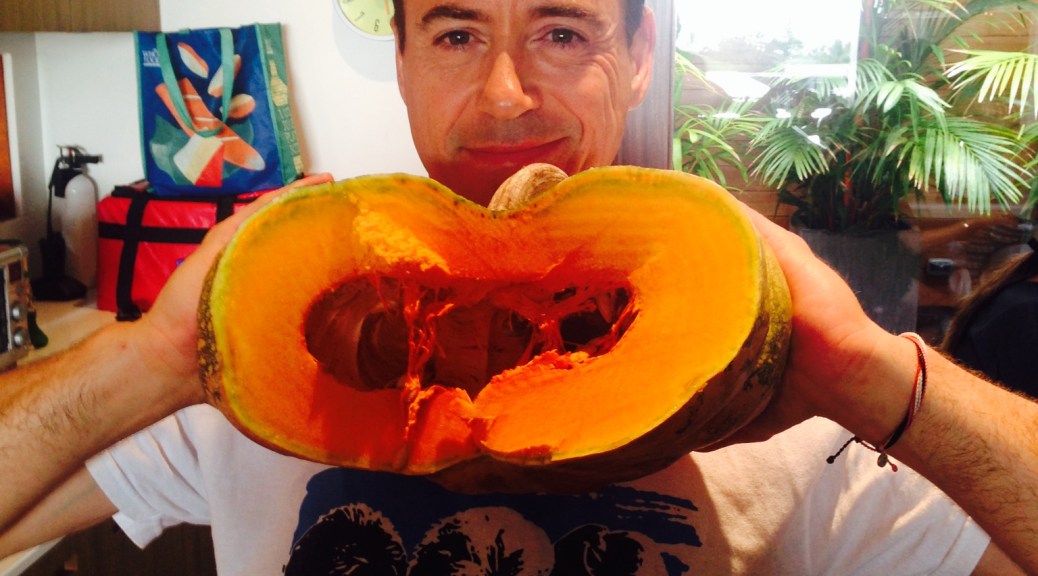
Heart is skipping a beat or two at this image of Robert Downey Jr and my Thai Rai Kaw Tok heirloom squash. They both look great! Mr and Mrs Downey, Chef Charles Voudouris, and the entire Team Downey posse made a noble effort to source all that was local, ethically produced, and sustainably grown.

Farmer hat off to you all! Mahalo nui loa.

Hawaii farmers appreciate your efforts!

Teaching With Food

PA111272

I remember working very hard to earn my Girl Scout cooking badge. Though that may seem dated to some, learning through food is all the rage once again in our schools. Last year I had the great opportunity to peer into our island classrooms, school gardens, and pre-k daycare centers. I got to have a lot of one on one talks with teachers and child care providers about what is lacking in the children’s food. I learned that all pre-k classrooms have to have a certified kitchen on property. That may mean little to most people, but to me, it said opportunity. What better place to launch a food movement than to the little ones who are so eager to learn…and eat. So that is what happened. I took it upon myself to figure out how to teach the 4 year old set how to make something to eat. The result, happy young chefs that were happy to “feed themselves” something that they made themselves and as bright and tasty as a pumpkin pie smoothie (see Vegan squash smoothie recipe.) It was so much of a hit that I am expanding it this year. Who doesn’t want their child to help out in the kitchen and have a little more time with you? Be on the lookout for more of my mini chef classes to be offered this fall. Want it to come to your kid’s classroom? Sponsor a class at the school of your choice. See my funding page http://www.gofundme.com/squash-and-awe for more details.

Building Worm Paradise in Hawaii

Being raised on a Wisconsin farm may have given me rather high expectations for soil. Our humble 40 acre farm had deep, rich, black soil that you could sink your arm into, well past your elbow. That was considered “below average soil,” and that is where my false soil illusions began.

My brother and I would hunt night crawlers and all kinds of earthworms for Summer trout fishing. It was rarely much of a challenge to fill a bucket in a few minutes. The biggest challenge was to dig without severing the multitudes of them that squirmed below our shovels. We often abandoned the tools so to dig with our hands. We also wanted our worms to be happy and content in their last hours before they became trout bait. So sever we would not.

Fast forward over three decades and several thousand miles and land me in the Hawaiian islands where you would again find me digging in the dirt in search for worms. The result was quite different, because day after day, I found none. Not a single worm. This was a discouraging discovery that I needed to resolve, because if there were no worms, there would be no farm.

Industrial agriculture, wind erosion, lack of cover crops, multi year drought, years of nutrient depleting sun, and lack of organic materials, are things to consider when beginning a transition plan for a parcel. Though this area was prized for being some of the richest soil in Hawaii, that estimate took into account only soil type, and left nothing to be said for soil treatment.

The summary was easy: there was nothing to temp a worm to take up residence, and every other action on the farm was contingent upon this cornerstone of soil health.

The solution was equally clear: create a worm paradise.

If key players like worms were missing, that was a good indicator that other members of the soil building chain, like soil microbes, were also in short supply. I decided to focus my attention on the actions of one person, and develop a farm plan based around a worm’s favorite location: the compost heap. Creating a farm that was comprised of an organized pattern of composting heaps that would be piled on top of existing soil. The squash crop to be would be planted directly into the decomposing heaps, benefitting by the heavy food source available. The worms would be able to pull nutrients from this moisture and food rich pile, and bring the nutrients deep into the depleted soil.

No-till was an easy choice for methods, because a decade long drought and wind erosion had left little to till. No-till gardening techniques were expanded to a 1/4 acre scale. Between garden and farm in proportion and methodology, this framework would conserve moisture, encourage microbes, worms, and stifle weeds.

three sisters method of beans, corn, and squash, surrounded by reclaimed cardboard.  Soil building and moisture holding cardboard also minimizes weeds
three sisters method of beans, corn, and squash, surrounded by reclaimed cardboard. Soil building and moisture holding cardboard also minimizes weeds

Cardboard created a zero waste solution, along with growing blocks reclaimed from the local hydroponics farm. Together, the cardboard, and both basalt and coconut coir growing blocks would create a moisture holding, shady mulch where worms could hide and soil would form. As pumpkins were harvested, some would be chopped into chunks and buried face down in the mulch. This created “worm buffets” that were also cool hiding places where worms could gorge and reproduce.

The image says it all.  The additions have changed the soil dramatically.
The image says it all. The additions have changed the soil dramatically.

Now a year later, the soil is several inches deep of sweet smelling soil. Just like the days of my childhood, I often dig with my hands so not to risk severing any of the welcome guests that will not become trout bait. An “intensive soil care” initiative was the first move for the farm, and the efforts have surprised even the most hardened of soil scientists. Now reconditioned into a healthy soil system, EM-1, homemade fish emulsion, and coffee grounds are the additions made to the area.
OLYMPUS DIGITAL CAMERA

OLYMPUS DIGITAL CAMERA

Vines now tumble and interlock with each other, birds, bees, and butterflies circle overhead. Mushrooms show themselves and again disappear into the cycle. The purple worms surface and dip through the paradise that was both created for them, and one that they helped to create. Several tons of food has been gathered from a small, once dusty parcel, giving hope to one more farmer who has spent their first year farming new soil.

The mini-farm at 10 months old

Can Hawaiian Native Plants and Agriculture Co-exist?

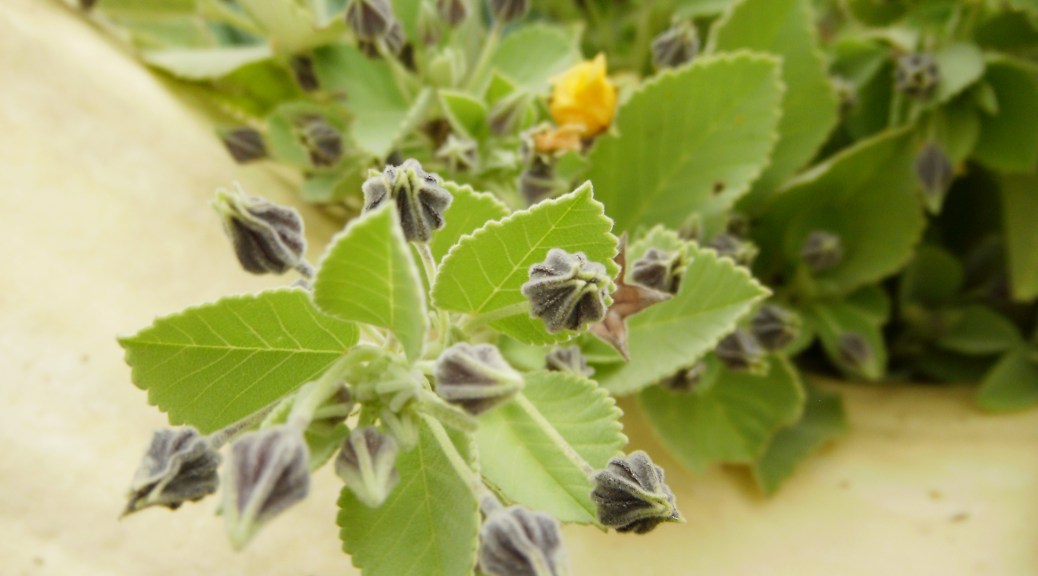
Last November I questioned the idea: In Hawaii, where many native plants are endangered, or under threat, can I help the three varieties of native plants that exist on the farm property to thrive, while also benefiting squash production?  The answer ended up being a clear yes.

As we know, squash need a lot of everything: sun, water, compost, bees, the works. So instead of using non-native plantings to attract more bees, what if I studied the nature of the abundantly flowered native Ilima shrub and tried to work out a system where each would benefit?  The result : The Ilima Project.

Ilima is special, it is a hardy shrub that has struggled in the past 17 years as the Ka’u desert has extended it’s Northern border.  I found several of these native plants, and decided to be their caregiver by not pulling them up, and planting around them instead.  It created a perfect companion plant for the squash, while also nurturing a plant that many of the elders noted that “it used to be everywhere,” much like local kabocha squash.  I decided these two could stage a comeback together.  The Ilima thrived and it was most grateful for any bit of water or compost that it is offered.

I read in the excellent Bishop Museum Book, “Native Planters of Old Hawaii,” that the Ilima plant was often pruned heavily so to create even more buttercup like blooms for lei making. Though we often search specifically for the crop that we farm, here we can see how a regional and historical book can assist in modern farming, by applying this information that can assist with pollination. The fast growing shrub was tolerant of my experimental no-till techniques, and the bees plunged into bloom after bloom and pollinated the squash as well. The smaller blooms attracted many new bees and beneficial wasps that were “new” to the farm. The Ilima thrived, and created helpful pollination assists, as well as wind blocks for the squash that really doesn’t care for wind.

No-till using Ilima as a companion

success!  Growing squash with the Native Hawaiian Ilima plant
Success! Growing squash with the Native Hawaiian Ilima plant

As for the squash, they were happy too, as they climbed up and around the Ilima shrubs and across the no-till cardboard mulch. I grew out one of the world’s rare squash for seed preservation (the bright orange one from Armenia, C. pepo in the photo) along with my go to Hawaiian heirloom squash for the community, a Long of Naples, a grey ‘Crown’ squash that originated in South Africa, and also many lovely Thai squash (C.moschata.)

I am just adding compost to the beds so to have a late summer crop. The Ilima shrubs (seen in the rear of the wheelbarrow photo) are continuing to thrive.