Category Archives: Hawaii


Nothing says farming like an MG Midget
The first week in October means something very special to me. It is the anniversary of my finding Pixie the MG, stored away and facing being scrapped. It has been two years, numerous trips up and down volcanoes, and 3000 miles of adventure. I have lost count of the repairs, but lets just say that she has blown through some U joints, brake cylinders, head gaskets and hauled more produce and compost materials than any car should. Equally important is that all of those auto parts were unrecognizable to me before I got this car. I have learned patience and respect for engines. And as much as many laugh at her, their cars will be long gone and her odometer keeps rolling over and over again. The little car is so closely linked with my farming that they forever fused into a “new way to farm” image for myself and others. She has reminded us of what is possible if you allow yourself to see potential. She has been part of a charity car show, been swarmed by many kindergardeners, softened the eyes of dual cab truck driving ranchers, and even was the “pace car” for the Harley motorcycles in the Toys for Tots Charity Drive. The chefs ask for her by name. So this photo tribute goes out to Pixie, the little car that could.


Prize Winning Pumpkin Noodle Nut Recipe: Vegan, and Gluten Free
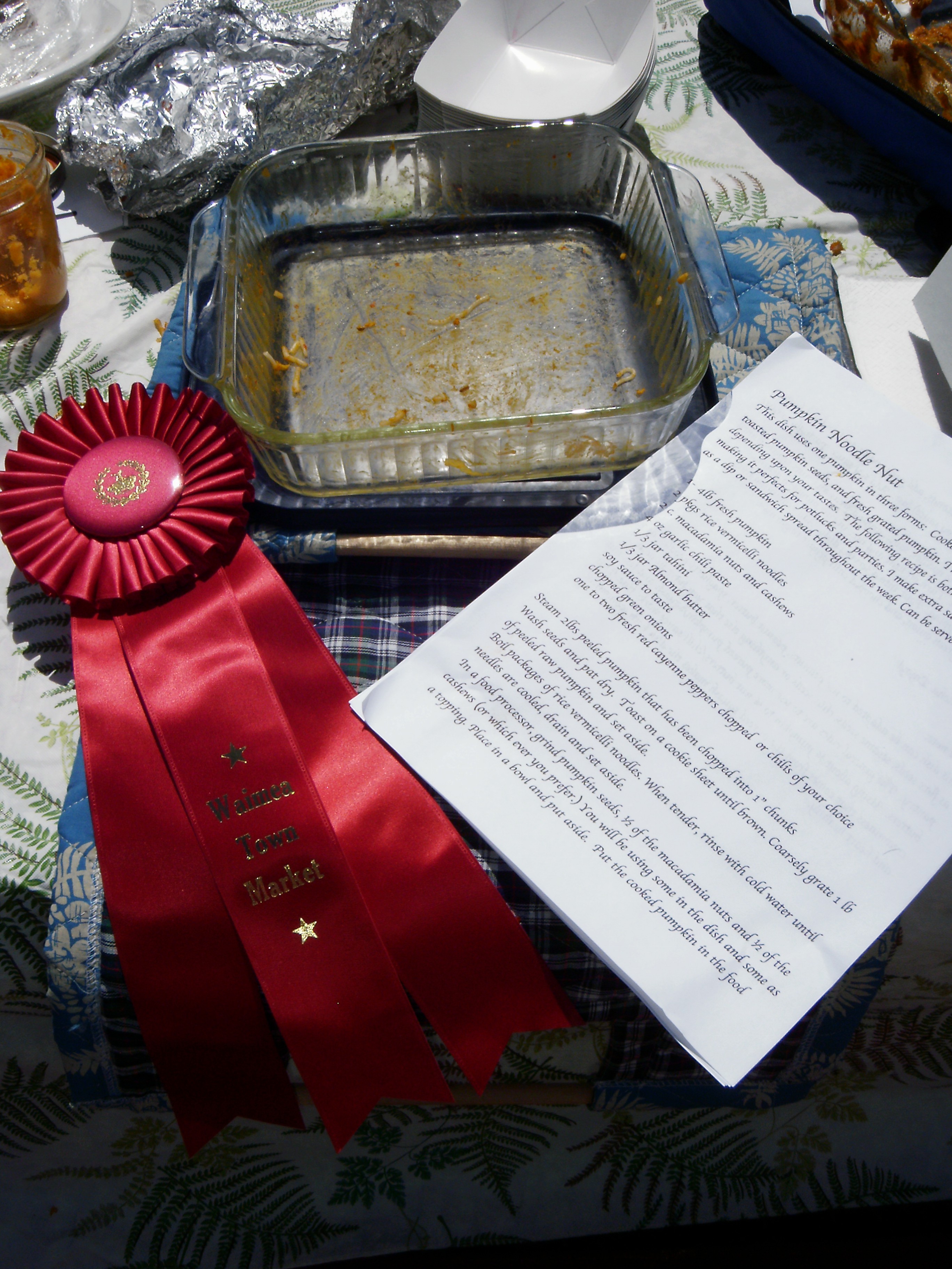
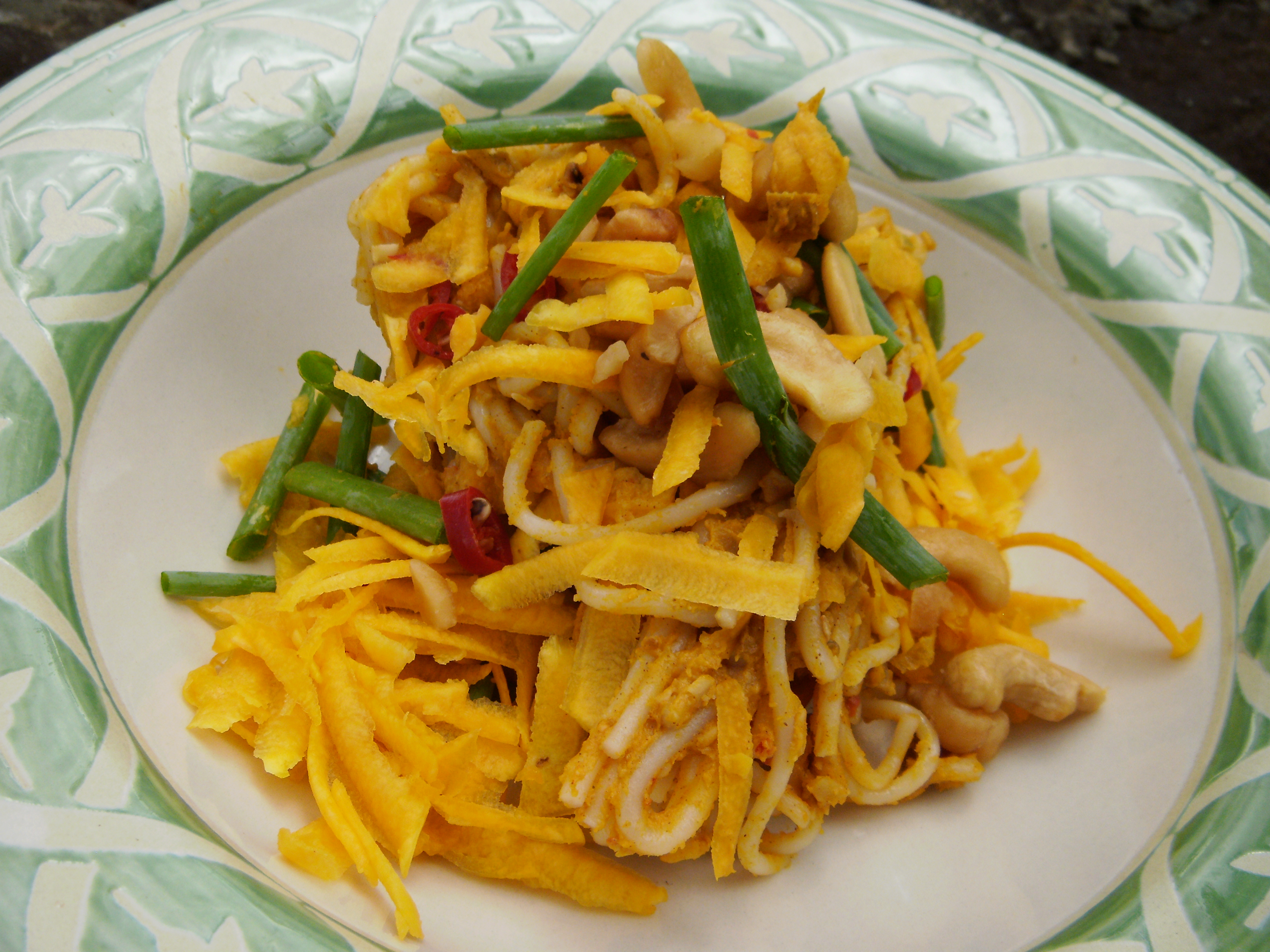
Pumpkin Noodle Nut
This dish uses one pumpkin in three forms: Cooked pumpkin puree, ground toasted pumpkin seeds, and fresh grated pumpkin. The recipe is highly adaptable depending upon your tastes. The following recipe is both vegan and gluten free making it perfects for potlucks and parties. This is a rough recipe made in potluck proportions, downsize or up size depending on your needs. I make extra sauce and use it chilled as a dip or sandwich spread throughout the week. Can be served hot or cold.
4lb fresh pumpkin
2 pkgs rice vermicelli noodles
2 c. macadamia nuts and cashews
4 oz garlic chili paste
1/3 jar tahini
1/3 jar Almond butter
soy sauce to taste
chopped green onions
one to two fresh red cayenne peppers chopped or chilis of your choice
Steam 2lbs peeled pumpkin that has been chopped into 1” chunks
Wash seeds and pat dry. Toast on a cookie sheet until brown. Coarsely grate 1 lb of peeled raw pumpkin and set aside.
Boil packages of rice vermicelli noodles. When tender, rinse with cold water until needles are cooled, drain and set aside.
In a food processor, grind pumpkin seeds, ½ of the macadamia nuts and ½ of the cashews (or which ever you prefer.) You will be using some in the dish and some as a topping. Place in a bowl and put aside. Put the cooked pumpkin in the food processor container, pulse for a few seconds, add garlic chili paste, seed and nut butters, pulse until blended. Add shoyu (soy sauce) last. Add soy sauce sparingly to taste.
In a deep frying pan, tumble noodles, sauce, ground seeds and nuts together until warmed and well blended. Turn off heat and mix in raw pumpkin gratings reserving 1 cup for topping. Pour into a serving dish. Add remaining nuts, grated pumpkin, green onion, and chopped chili pepper to garnish.
Serve with aloha. Enjoy!
Please note:
This dish can be adapted to use peanuts, peanut butter, spaghetti noodles, as well as flax seeds, sesame seeds, chia seeds or anything else that you have in your pantry. The general rules are to use more pureed pumpkin/squash and less nut butters. Using about ¾ pumpkin to ¼ nut butters/chili sauce works fine. This creaminess that comes from the pureed squash makes the dish both economical and heart healthy.
The Return of the Waimea Farm Fair
After 20 years, the Waimea farm fair returned this year. Expanding on the giant pumpkin growing contest of years past, this year brought tomato tasting and pumpkin cooking elements as well. I may max out at a 45lb squash, so no “giants” for me, but I do love to celebrate with the growers. It is a squash solidarity. You do not understand patience until you grow squash in Hawaii.
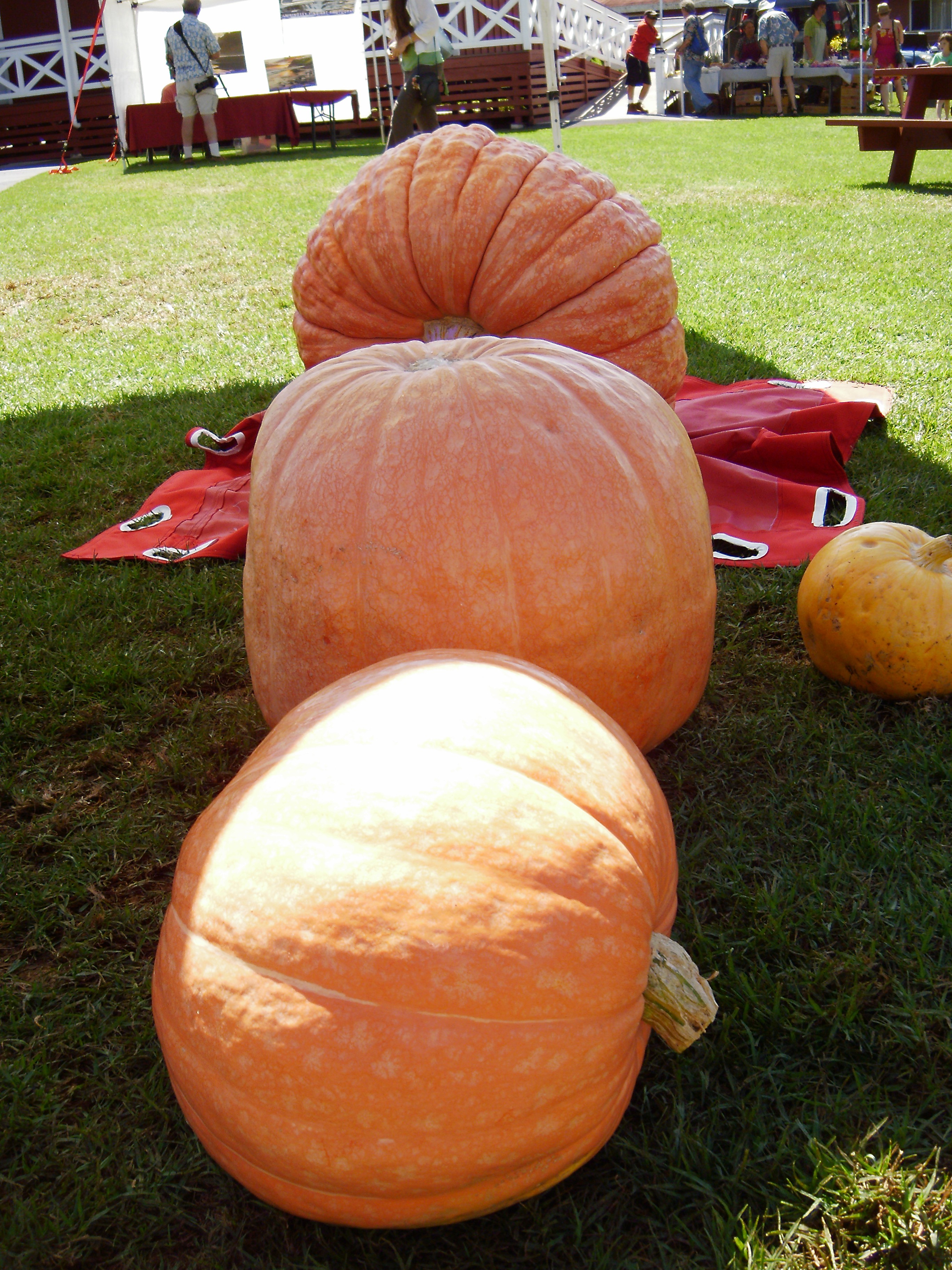 Pumpkin and squash can be tricky here and Hawaii, and our giants can vary by hundreds of pounds from season to season. But that isn’t the point, the point is that community gathered to celebrate nature, ambition, and the pure dedication that it takes. HPA school entered three very different pumpkins that helped to illuminate how different pumpkins from the same patch can be. The Largest at rear of photo took 1st in the school garden category) Soil maverick and giant pumpkin grower Noah Dodd led the way for HPA by using his own unique soil microbe building methods to get the squash to grow to super sized proportions.

I know and respect organic grower Donna Mitts, who has been giving me updates throughout the season. ( see image above) Her squash was golden and beautiful, and very deserving of the attention that it got. She named the squash Myrtle, and it grew into it’s name.
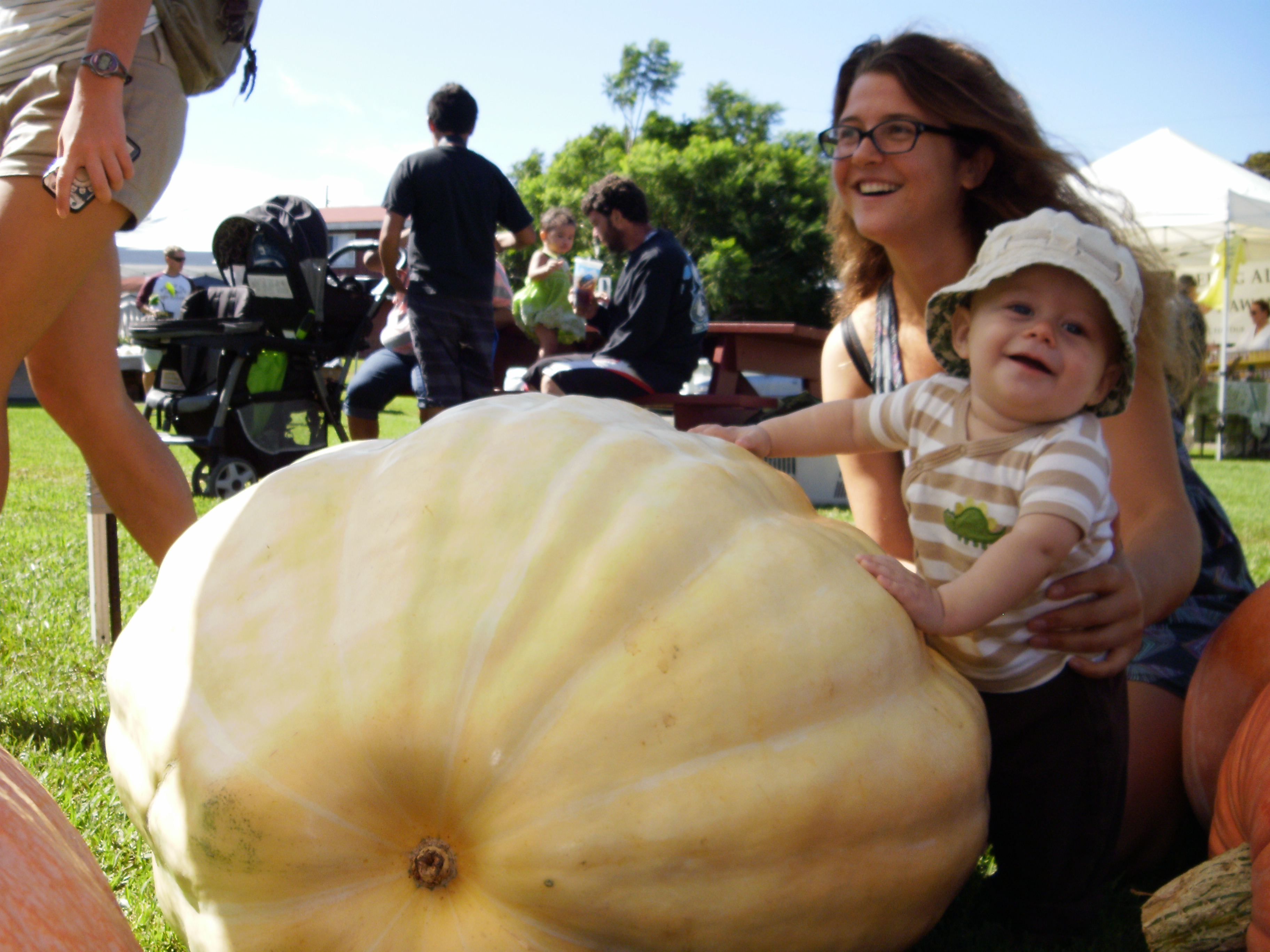
Baby Max showed the enthusiasm that we all felt. Here Max celebrates Donna’s pumpkin. Council woman Margaret Wille joined Donna Mitts and myself in a photo among the giant pumpkins. Chefs and home cooks alike marveled at the culinary possibilities.

Young Kawika Winters himself weighed in at only 1/2 a pound more than the giant pumpkin that he grew. Here he awaits the judging flanked by the other contenders.

Ribbons were awarded in many categories, including record keeping for the school gardeners. How wonderful to reward a quieter, but valuable dedication. Mala’ai School garden won the record keeping prize by creating a beautiful photo log that captured the season. http://www.malaai.org

After the celebrations for giant pumpkins, we moved on over to the tomato tasting and pumpkin cooking competition.


As the judging took place, many of us marveled at the challenges of comparing the beautiful island grown produce. We were very happy to see some of our islands best including the innovative Chef Sandy that were part of the judging crew.

Then more talk of pumpkins. Donna Mitts wore many hats throughout the event including making the wonderful and refreshing “Pumpkin Juice” that cooled us under the hot Waimea sun. She used pumpkin puree, apple juice and pumpkin pie spice to make this welcomed treat. Then came the judging of the pumpkin cooking contest. Many of us were nervous as the judges buzzed around through plate after plate of homemade, beautiful food. There were three categories, including Main course, desert, and misc category. Pumpkin butter, pumpkin curry, pumpkin tortellini, pumpkin nut bread, pumpkin casserole, pumpkin chiffon pie, pumpkin crumble, and my dish Pumpkin Noodle Nut.

I am not sure why I was nervous with such a wonderful mix of people celebrating food. But when farmer/organizer Paul Johnson and the judges gave the “all clear sign” that the crowd could sample all things squash, my tension eased, as we laughed and nibbled the plates clean.
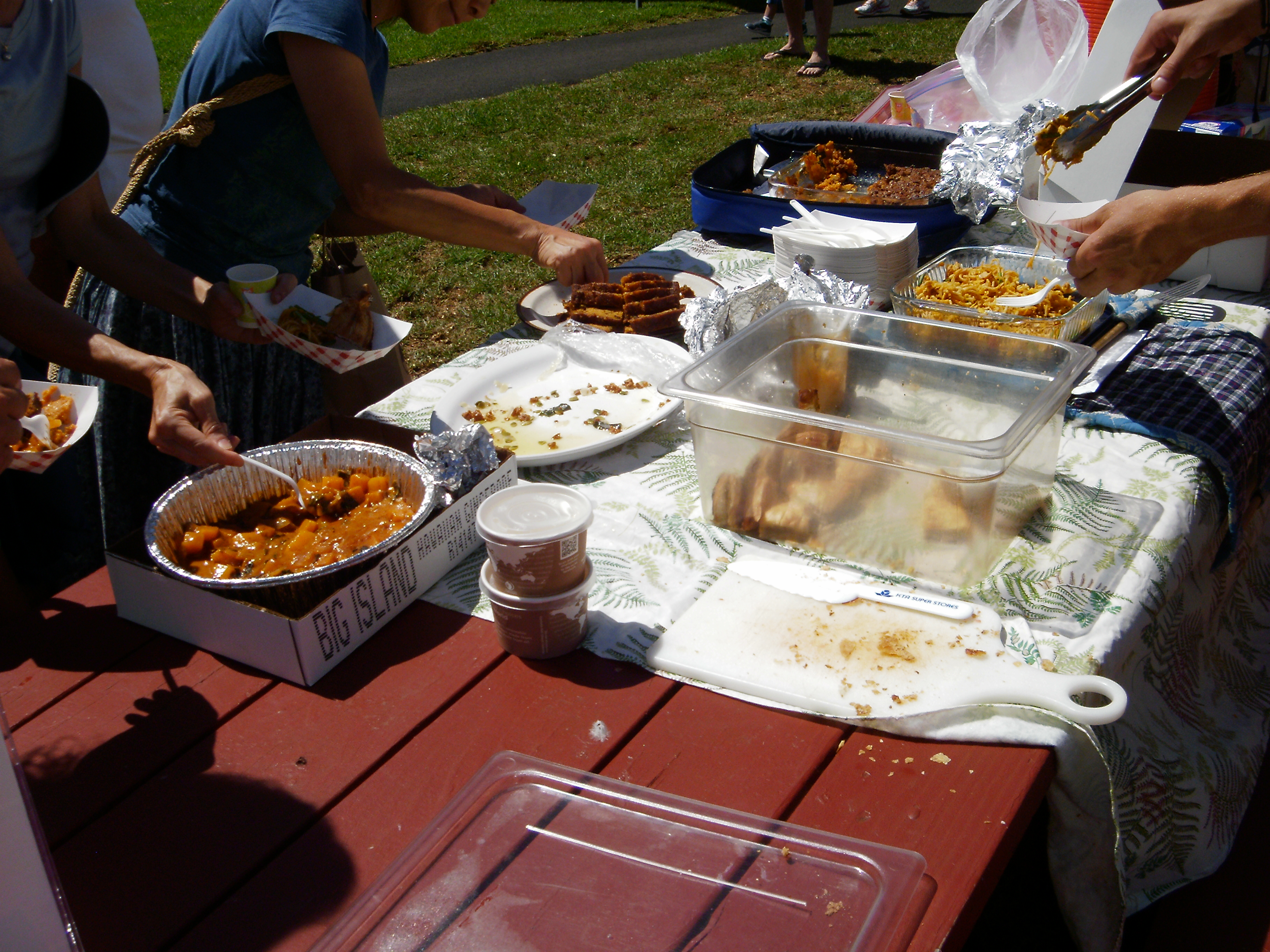
I mean we really went for it. Each dish was special, and made with love. We celebrated local ingredients and family recipes.

Paul was a good sport, and surprised us all by reappearing in costume. The kids loved it!
Then the prizes were announced by category. I would not have been a very good judge, because, each one was so wonderful. It was like picking puppies or kittens. The unique dishes were creative and flavorful, and many were very nutritious as well.
I took a risk by entering a brand new recipe to the contest. I wanted to showcase squash as much as possible in one dish. I had made a gluten free, vegan recipe called noodle nut last year. After meeting with Chef Stephen of Under the Bodhi Tree restaurant in the shops of Mauna Lani http://www.underthebodhi.net I was inspired to try new things. So I changed my existing recipe to include cooked pumpkin puree, ground toasted pumpkin seeds, and grated fresh pumpkin. Chef Stephen does raw and vegan entrees, and also loves to use pumpkin seed. Pumpkin is so versatile, so I thought…heck go for it, this is the only pumpkin contest we have ever had on the island, so I thought it is time to pull out all of the stops.
So just a day before the contest, I was revamping and “pushing the pumpkin” into the recipe, and I am so glad I did. Using all gluten free and vegan ingredients, my home grown black pumpkins, home grown cayenne chili peppers, Pat Hall’s aquaponic grown green onions, and local macadamia nuts. It was an island proud dish. The empty dish says it all. It was cleaned out and awarded a 2nd place ribbon in the main dish category. Third went to the lovely pumpkin curry, and first place went to one of our island’s best chefs, Executive chef James Babian. Chef Babian was the Executive chef of the Four Seasons resort here on the Big Island. He can be credited with helping to move the buy local movement here over a decade ago. He makes his own pasta from scratch in the kitchen of the restaurant that he and his wife Christine created in Waikoloa village named Pueo’s Osteria. http://www.pueososteria.com Go there, trust me.
Let’s just say if anyone deserves first place, I have to say it is him. I managed to get one lone tortellini off the plate before the other tasters descended. It was divine, and sort of melted in your mouth. I feel lucky to have gotten one, and no, I have no photos, because it was either grab one, or photograph it. So sorry blogosphere, but eating won. It was that good. But watch out Executive Chef Babian, I’ll be back next year with another year of pumpkin cooking under my belt. I’ll do my best to take on your tortellini again..or at least be quite ready to again grab one off the tasting plate.
Mahalo to all those who attended, volunteered their expertise, and added their talents to the day. We all love a good come back story, and what better come back than that of the community farm fair.
Team Downey Sourced all Things Hawaii
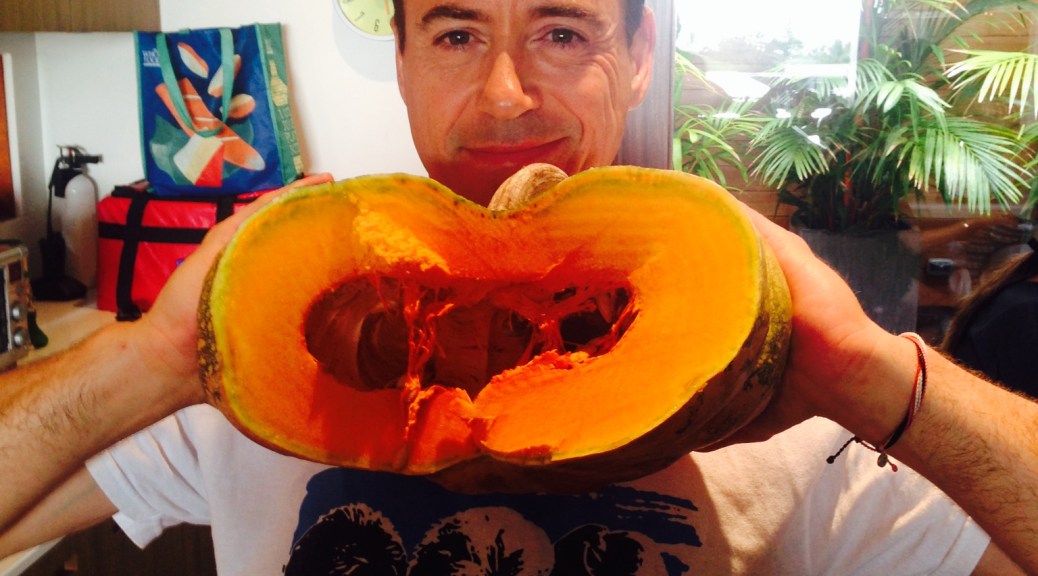
Heart is skipping a beat or two at this image of Robert Downey Jr and my Thai Rai Kaw Tok heirloom squash. They both look great! Mr and Mrs Downey, Chef Charles Voudouris, and the entire Team Downey posse made a noble effort to source all that was local, ethically produced, and sustainably grown.
Farmer hat off to you all! Mahalo nui loa.
Hawaii farmers appreciate your efforts!

Chef Charles Voudouris of Team Downey visits the farm
It was a pleasure to have Chef Voudouris of Team Downey visit the farm last evening!
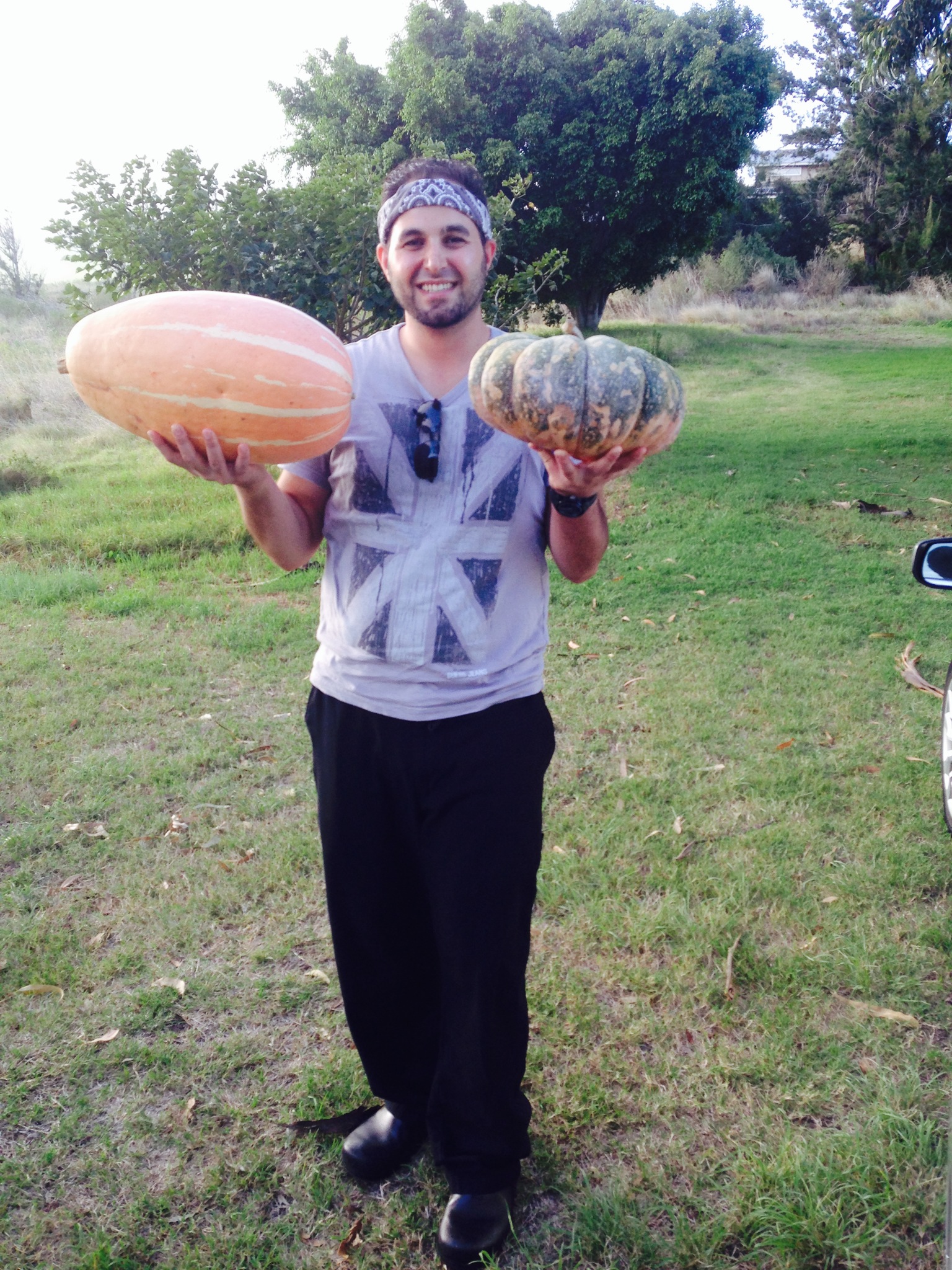
He has just arrived, but he immediately set out to travel the island to source high quality fish and produce direct from our fishermen and farmers. His smile reveals his excitement in experiencing what is new (or in the case of heirlooms-old) on our farms. Here visiting the isle, Chef Charles is the private chef for Team Downey who are on island for the next two weeks. When presented with the table of rare heirloom squash, Chef knew immediately which one would be taken back to the kitchen, it was the Thai heirloom Rai Kow Tok.


This is the first season that I am growing the lovely, dappled Winter squash. The 20 lb c. moschata variety thrived here in Waimea’s challenging environment. Without missing a beat, Chef Charles had the recipe worked out before even setting the produce in the trunk of his car.
It was so nice to have him visit the farm, to share in his stories and insight, as well as take these beautiful farm photos. I was happy to hear that Team Downey is dedicated to finding sustainable produce, and that they frequently enjoy vegan meals. It is an honor to have my squash be a part of their island experience. I wish the team a wonderful visit, and a big mahalo for allowing us small farmers to take center stage at the dinner table.
Mahalo nui loa Chef Voudouris and Team Downey, you are welcome back anytime!
Looking Out for Your Neighbor
I often question why farmers are pitted against each other at a time when farming is harder than ever. I have had many try to coax me into being competitors and not allies with others that work the land. More importantly, the question remains why do farmers fall victim to it?
Let me explain my upbringing, and that may clarify my confusion. I remember a B&W photo of my Grandpa on a tractor. He was one of many tired, but glowing faces at the end of a long line of tractors, and at the tail end of a long harvest day. One of the farmer’s in the area had suffered an injury at a critical time of the year. Without being asked by the injured farmer, or his family, a small convoy of tractors made their way to the field one Saturday at dawn. It was community in it’s purest sense.
From what I hear, that was pretty common. The take away was a photo, maybe some sandwiches shared under a shade tree, and the comfort in knowing that you were in it together. It is just what people did, and it is what people can still do.
Political leaders, and some farmers in Hawaii, and beyond have tried to dismiss that kind of sediment, noting that romanticizing farming isn’t the way to go. But what if you are not romanticizing, but simply farming with the integrity that used to be common. To me, not having concern for your fellow farmers isn’t “real farming” rather than the opposite. Where did our ethics go? When did greed outshine being a neighbor? I ask us all to look inside ourselves and see if we are being a neighbor in a true sense.
Can Hawaiian Native Plants and Agriculture Co-exist?
Last November I questioned the idea: In Hawaii, where many native plants are endangered, or under threat, can I help the three varieties of native plants that exist on the farm property to thrive, while also benefiting squash production? The answer ended up being a clear yes.
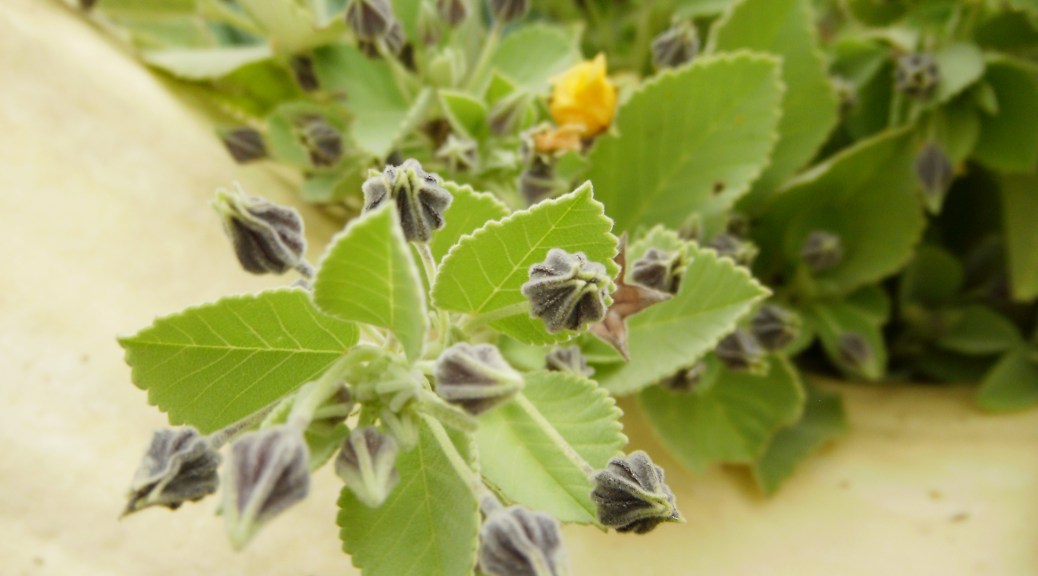
As we know, squash need a lot of everything: sun, water, compost, bees, the works. So instead of using non-native plantings to attract more bees, what if I studied the nature of the abundantly flowered native Ilima shrub and tried to work out a system where each would benefit? The result : The Ilima Project.
Ilima is special, it is a hardy shrub that has struggled in the past 17 years as the Ka’u desert has extended it’s Northern border. I found several of these native plants, and decided to be their caregiver by not pulling them up, and planting around them instead. It created a perfect companion plant for the squash, while also nurturing a plant that many of the elders noted that “it used to be everywhere,” much like local kabocha squash. I decided these two could stage a comeback together. The Ilima thrived and it was most grateful for any bit of water or compost that it is offered.
I read in the excellent Bishop Museum Book, “Native Planters of Old Hawaii,” that the Ilima plant was often pruned heavily so to create even more buttercup like blooms for lei making. Though we often search specifically for the crop that we farm, here we can see how a regional and historical book can assist in modern farming, by applying this information that can assist with pollination. The fast growing shrub was tolerant of my experimental no-till techniques, and the bees plunged into bloom after bloom and pollinated the squash as well. The smaller blooms attracted many new bees and beneficial wasps that were “new” to the farm. The Ilima thrived, and created helpful pollination assists, as well as wind blocks for the squash that really doesn’t care for wind.


As for the squash, they were happy too, as they climbed up and around the Ilima shrubs and across the no-till cardboard mulch. I grew out one of the world’s rare squash for seed preservation (the bright orange one from Armenia, C. pepo in the photo) along with my go to Hawaiian heirloom squash for the community, a Long of Naples, a grey ‘Crown’ squash that originated in South Africa, and also many lovely Thai squash (C.moschata.)
I am just adding compost to the beds so to have a late summer crop. The Ilima shrubs (seen in the rear of the wheelbarrow photo) are continuing to thrive.
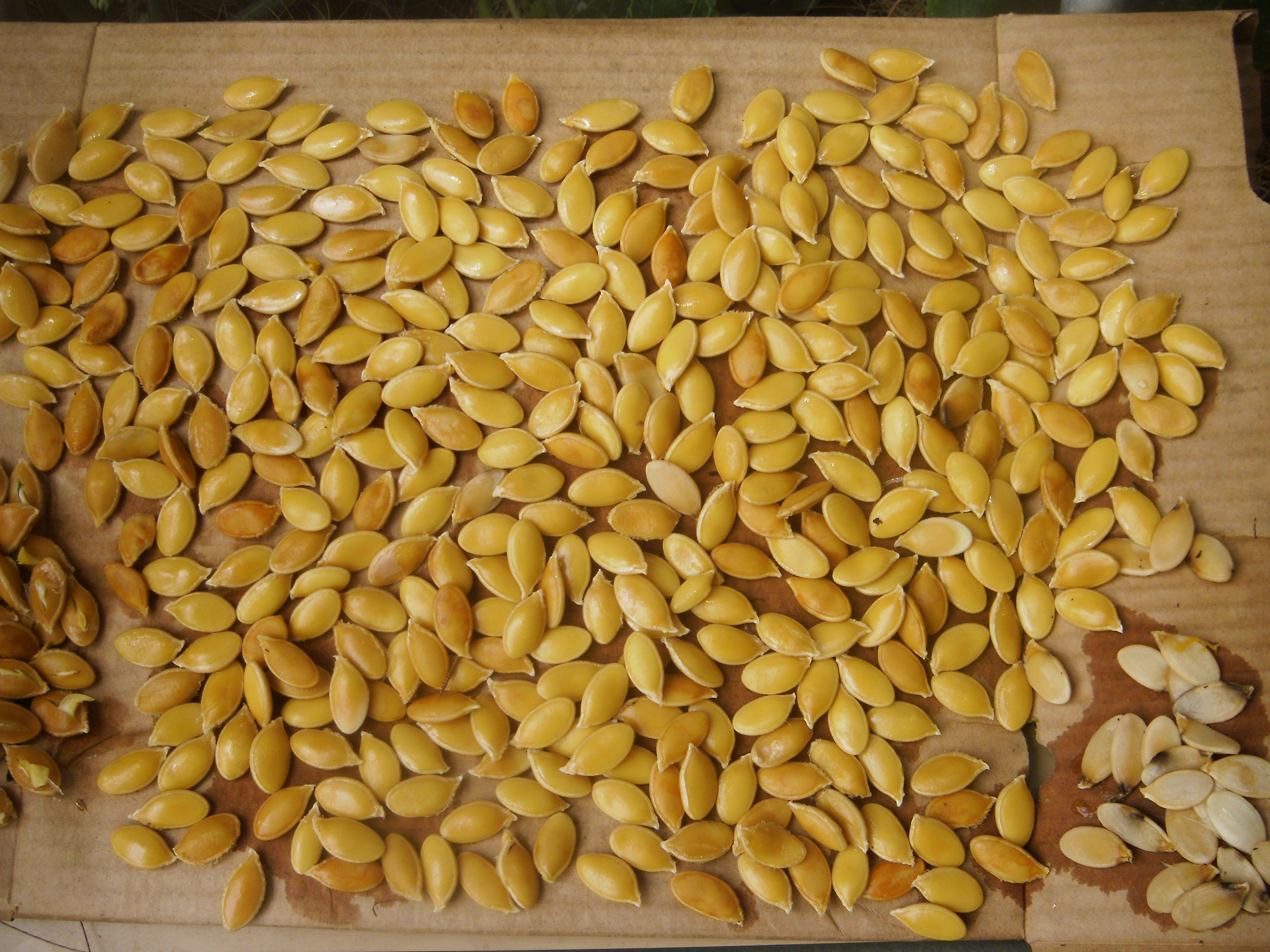
The First Generation of Pure Seed From the Ugandan Giant Pink Banana Squash

Fish Composting Beds Opened!

Remember this? Well….I am very pleased to report that it is now this!

I used EM-1 to add even more rich microbes to the heathy new compost and replace any that may have gotten burned out when the fish composting really heated things up. The fish composting was a success! (yeah! Thank you to Redwater Cafe and their continued donation of green waste and fish bits, Merriman’s for cardboard, and Starbucks for the donation of coffee grounds to help me build the soil!) The compost is a bit chunky due to my using a lot of sticks, but after a little bit of sifting out large pieces, the new compost was ready to be added to one of the beds. This will give a Spring makeover to a well used bed.
 Squash and Awe