Category Archives: recipes

Get Growing Hawaii: lemongrass

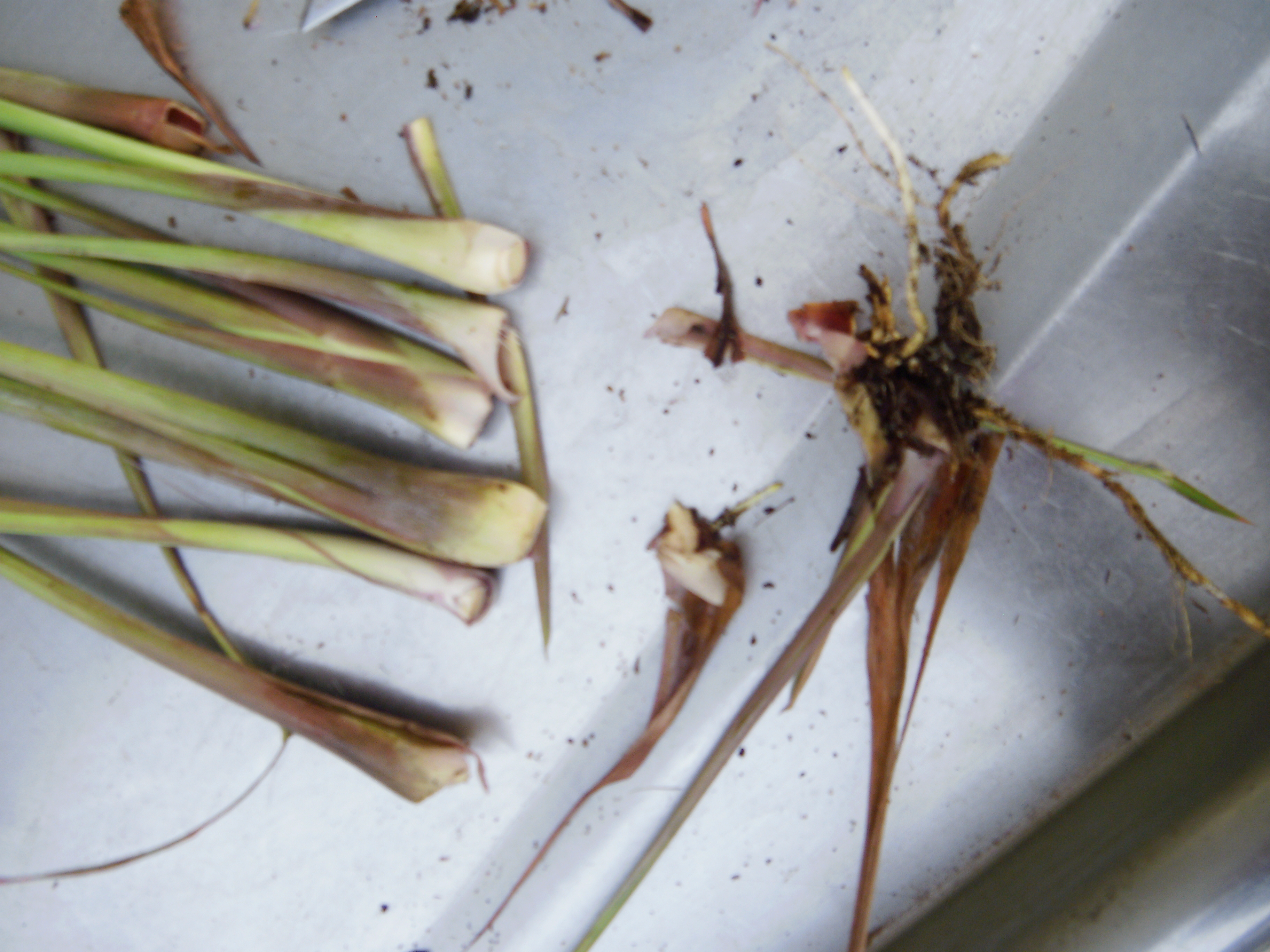
prepping lemon grass

I will openly admit it, I had no idea how to begin a lemongrass plant until I started composting the kitchen scraps from Redwater Cafe.  There in the midst of the “chop and drop” veggie scraps from the labors of many busy chefs sat the small fragile roots of the end cuttings of lemongrass.  I had never really thought about it prior, but when I saw the end pieces, I did what any thrifty farm girl would do, and planted them immediately in an area where my chili peppers grew.  I nearly forgot about them until, as I was pulling weeds, there were the beautifully formed shoots of lemongrass, waiting for harvest.  The luxury of garden plucked lemongrass was completely new to this midwesterner turned Hawaii farmer.  There were coconut milk curries awaiting these flavorful stems…I had to get cooking, but first, my forward thinking self cut the roots off and separated them and replanted them all about the garden.

I highly recommend this lovely herb in your tropical garden, and even your higher elevation garden (I am at 2600ft in Hawaii.) It sits quietly and stately anywhere you plant it.  Tall and grassy as the name illuminates, it becomes a year round herb that can be grown out of your kitchen trimmings.  Trust me, when you are not paying big bucks in the shops, you will find lots of uses for it.  The fragrance is divine, and treat it well with enriched compost and it will prosper. For some ideas to get your plantings inspired, see http://www.saveur.com/article/-/Recipes-with-Lemongrass and check out this lemongrass knot tying video too! http://www.saveur.com/article/Video/Video-How-to-Tie-Lemongrass

Growing notes:  We do get a variety of rust on the lemongrass leaves here in Hawaii. I recommend harvesting leaves/stems frequently, and if hit with rust covered leaves, just leave it planted, but cut them down to the base, as they will regrow quickly.  Make sure to quarantine leaves in a plastic bag so to not spread the rust plant disease. to other plants, farms or gardens.

Farm Girl Can Eat-avocado egg sandwich

We have all been there, we step away from a group at a gathering, then return just in time to hear how they describe you to others.  Sometimes this can be a concern, or illuminating, and often both.  That is the case with how often, in my absence, I am described as a “large eater”  a “ferocious eater,” and even compared to a boa constrictor in my ability to consume pounds of food in one sitting, then simply slink away to digest.  Just as frequently, I am asked the simple question, “how? or better yet, “why?”  I think it is a one-two combination of genetics and activity level.  I do not do well at a desk, though I am there right now.  I am only content to be here at a desk because I have just eaten my farm girl seasonal favorite…avocado and fried egg sandwich on toast.  It is simple enough to make, and it should serve two, though, I eat the whole thing.  Each of these items except for the bread and mayo were gathered on site thanks to the hens, the trees and the garden. So here goes big eaters, I know who you are.  Be proud, and eat well.

1/2 of a large avocado

two fried eggs

1 chilli pepper chopped

the juice of 1/2 of a fresh lime squeezed all over

mayo, salt and pepper to taste

2 slices of toasted bread

Ghost peppers: from seed to hot sauce

Ghost peppers don’t align themselves neatly with other vegetables.  They are one of the few veggies that you can simply name and people respond with fear.  I am not going to pretend that I am any different.  You might wonder why I decided to grow them, and nurture them even.  Why I would put so much love and energy into a plant whose fruits I was scared to even touch.  Well, it has a lot to do with my brother, the chili aficionado.  He lost most of his sense of taste due to an accident years ago, but like many others in similar situations, he can “taste” chili peppers.  So chili peppers quickly became his thing.

It seems to be a family affair, because years ago as I trekked through the volcanic regions of Sumatra, I earned my nickname of Sambal, or chili sauce in English.  I took the heat in more ways than one, as I insisted on eating local in every regard.  I love food, and travel led me to more and more dishes around the world.  Some of the Indonesian regional cuisine is so spiced that redness would appear as a creeping line that progressed up my neck until reaching my face.  It didn’t help that though I only have a slight natural touch of red in my hair, to the dark haired Indonesians, my hair was a chili top of sorts.  I was munching away on chili pepper sambal sauces, with tears running down my face, and my hair seemed to get redder in the process. One could say that I earned the respect of the community one chili pepper at a time.

On a subsequent trip to Indonesia, I climbed a remote volcano in pre-dawn darkness with a man who was traveling the globe in search of chili peppers. I will never forget his gregarious personality that lit up all that surrounded him.  I should note that years later, I often took an hour and 20 min subway ride in NYC in order to get Brooklyn’s best Jerk chicken.  I also once took a near daily schlep through dangerously off kilter Medan, Sumatra in order to eat the sambal sauce soaked eggs over rice that the bicycle taxi men ate for lunch.  I called them “fire eggs” and that says it all.  Over the years I have eaten a fair bit of cajun food, soul food, and the like, but rarely do I pick up a bottle of hot sauce.  I am more inclined to use fresh chopped chili peppers in a dish, or make a fresh salsa verde on the spot.  I like the handmade over the store bought.  Over the years when I asked many a restaurant server to bring me “their” sambal sauce, glowing faces would return with tiny bowl of pastes in colors to terrifying to be food.

So it is with all these people in my heart that I put on my mechanic’s safety glasses and make a seasonal series of chili sauces that would make any Indonesian, and also a certain family member, or volcano climbing chili explorer very proud.

fire sauce returning home to ghost peppers ghost ripening

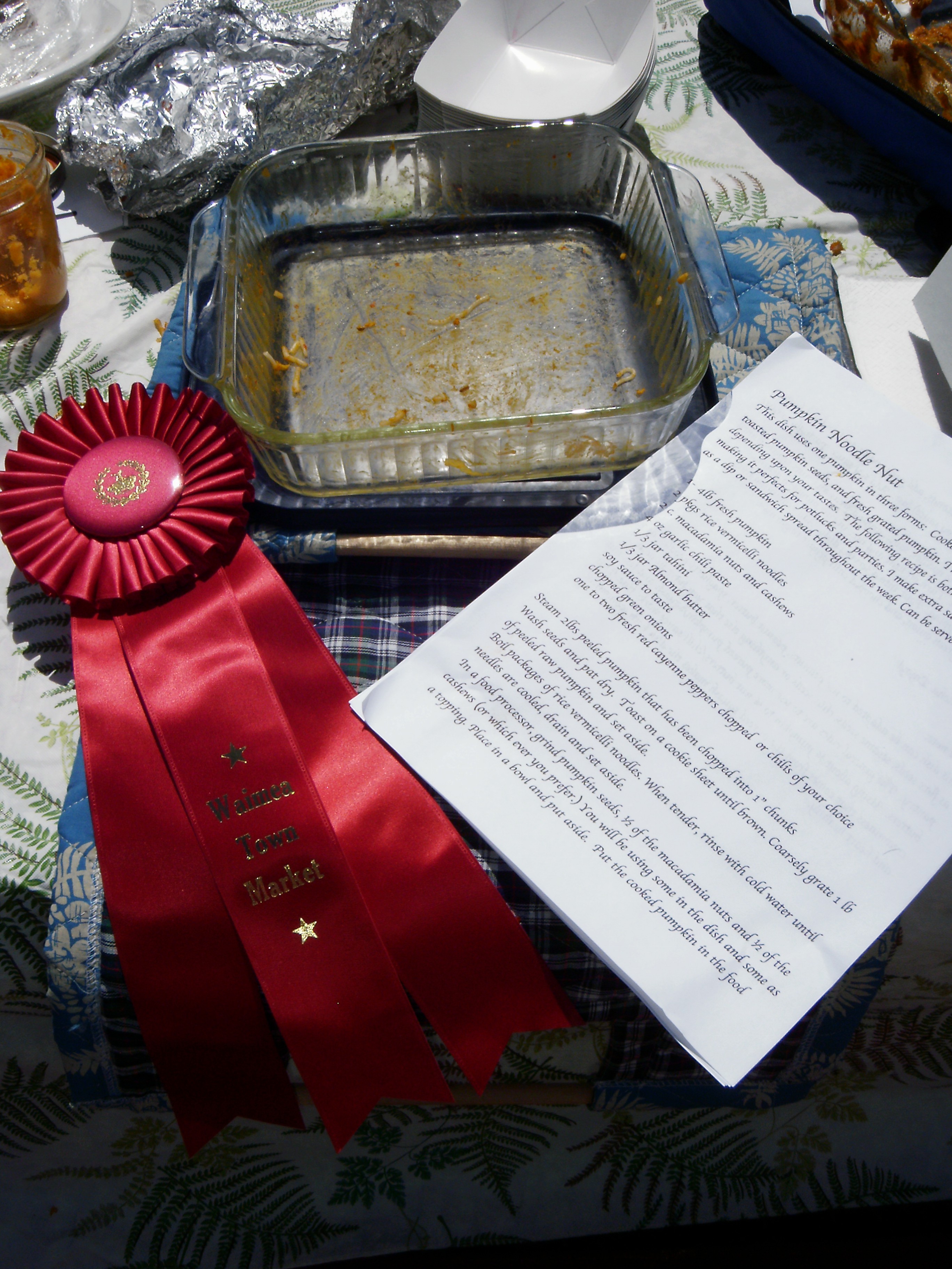
Prize Winning Pumpkin Noodle Nut Recipe: Vegan, and Gluten Free

Pumpkin Noodle Nut 

This dish uses one pumpkin in three forms: Cooked pumpkin puree, ground toasted pumpkin seeds, and fresh grated pumpkin. The recipe is highly adaptable depending upon your tastes. The following recipe is both vegan and gluten free making it perfects for potlucks and parties. This is a rough recipe made in potluck proportions, downsize or up size depending on your needs. I make extra sauce and use it chilled as a dip or sandwich spread throughout the week. Can be served hot or cold.

4lb fresh pumpkin

2 pkgs rice vermicelli noodles

2 c. macadamia nuts and cashews

4 oz garlic chili paste

1/3 jar tahini

1/3 jar Almond butter

soy sauce to taste

chopped green onions

one to two fresh red cayenne peppers chopped or chilis of your choice

Steam 2lbs peeled pumpkin that has been chopped into 1” chunks

Wash seeds and pat dry. Toast on a cookie sheet until brown. Coarsely grate 1 lb of peeled raw pumpkin and set aside.

Boil packages of rice vermicelli noodles. When tender, rinse with cold water until needles are cooled, drain and set aside.

In a food processor, grind pumpkin seeds, ½ of the macadamia nuts and ½ of the cashews (or which ever you prefer.) You will be using some in the dish and some as a topping. Place in a bowl and put aside. Put the cooked pumpkin in the food processor container, pulse for a few seconds, add garlic chili paste, seed and nut butters, pulse until blended. Add shoyu (soy sauce) last. Add soy sauce sparingly to taste.

In a deep frying pan, tumble noodles, sauce, ground seeds and nuts together until warmed and well blended. Turn off heat and mix in raw pumpkin gratings reserving 1 cup for topping. Pour into a serving dish. Add remaining nuts, grated pumpkin, green onion, and chopped chili pepper to garnish.

Serve with aloha. Enjoy!

Please note:

This dish can be adapted to use peanuts, peanut butter, spaghetti noodles, as well as flax seeds, sesame seeds, chia seeds or anything else that you have in your pantry. The general rules are to use more pureed pumpkin/squash and less nut butters. Using about ¾ pumpkin to ¼ nut butters/chili sauce works fine. This creaminess that comes from the pureed squash makes the dish both economical and heart healthy.

Clean plate club and 2nd place ribbon

Chef Charles Voudouris of Team Downey visits the farm

It was a pleasure to have Chef Voudouris of Team Downey visit the farm last evening!

Chef Charles

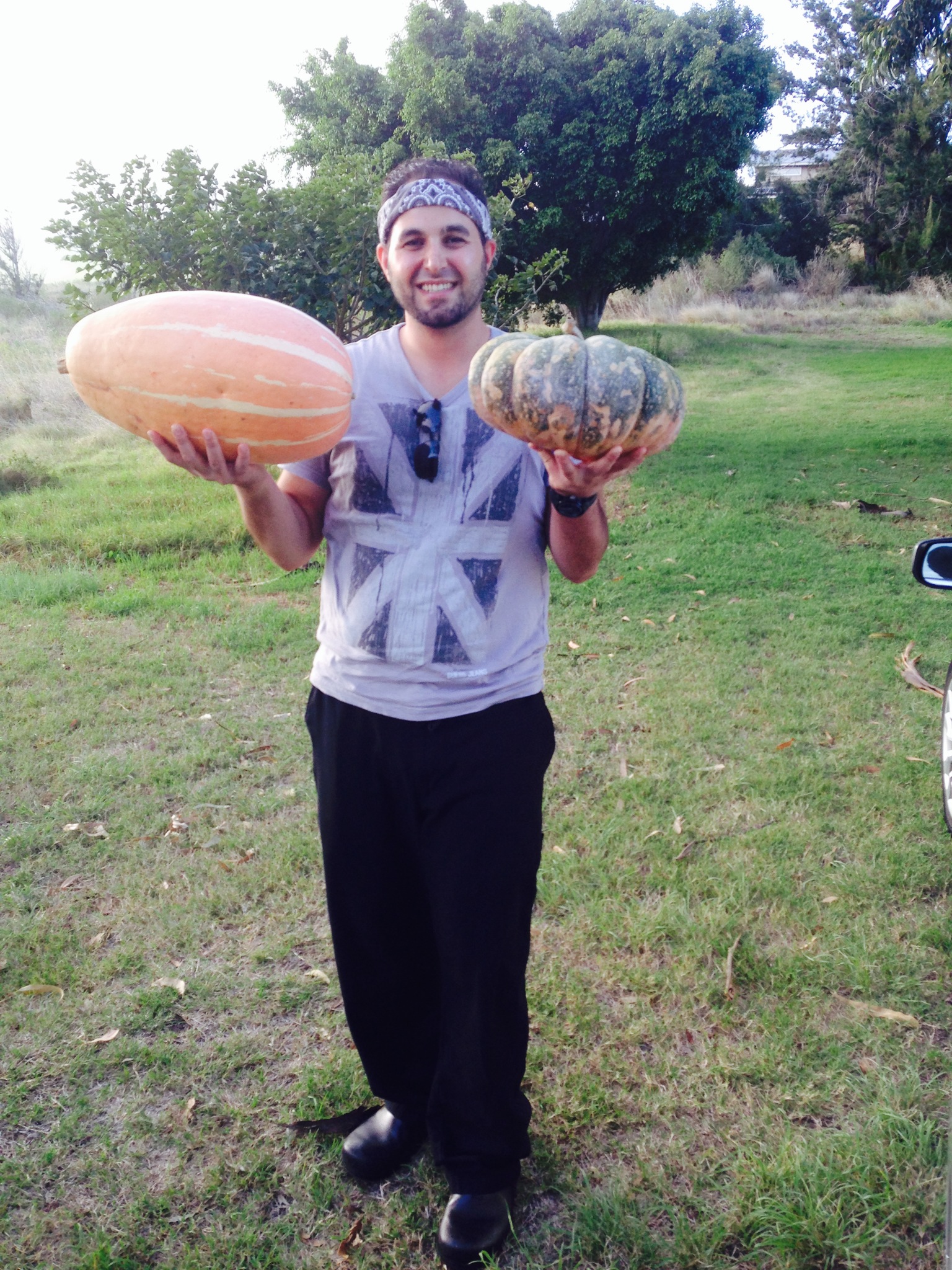
He has just arrived, but he immediately set out to travel the island to source high quality fish and produce direct from our fishermen and farmers. His smile reveals his excitement in experiencing what is new (or in the case of heirlooms-old) on our farms. Here visiting the isle, Chef Charles is the private chef for Team Downey who are on island for the next two weeks. When presented with the table of rare heirloom squash, Chef knew immediately which one would be taken back to the kitchen, it was the Thai heirloom Rai Kow Tok.

image-3

image-4

This is the first season that I am growing the lovely, dappled Winter squash. The 20 lb c. moschata variety thrived here in Waimea’s challenging environment. Without missing a beat, Chef Charles had the recipe worked out before even setting the produce in the trunk of his car.

It was so nice to have him visit the farm, to share in his stories and insight, as well as take these beautiful farm photos. I was happy to hear that Team Downey is dedicated to finding sustainable produce, and that they frequently enjoy vegan meals. It is an honor to have my squash be a part of their island experience. I wish the team a wonderful visit, and a big mahalo for allowing us small farmers to take center stage at the dinner table.

Mahalo nui loa Chef Voudouris and Team Downey, you are welcome back anytime!

Teaching With Food

PA111272

I remember working very hard to earn my Girl Scout cooking badge. Though that may seem dated to some, learning through food is all the rage once again in our schools. Last year I had the great opportunity to peer into our island classrooms, school gardens, and pre-k daycare centers. I got to have a lot of one on one talks with teachers and child care providers about what is lacking in the children’s food. I learned that all pre-k classrooms have to have a certified kitchen on property. That may mean little to most people, but to me, it said opportunity. What better place to launch a food movement than to the little ones who are so eager to learn…and eat. So that is what happened. I took it upon myself to figure out how to teach the 4 year old set how to make something to eat. The result, happy young chefs that were happy to “feed themselves” something that they made themselves and as bright and tasty as a pumpkin pie smoothie (see Vegan squash smoothie recipe.) It was so much of a hit that I am expanding it this year. Who doesn’t want their child to help out in the kitchen and have a little more time with you? Be on the lookout for more of my mini chef classes to be offered this fall. Want it to come to your kid’s classroom? Sponsor a class at the school of your choice. See my funding page http://www.gofundme.com/squash-and-awe for more details.

Vegan Mango “Squashie”

mango squashie

Nothing says summer in Hawaii like mangos. So here is a simple and lovely little drink to make in your blender.

first, steam chunks of squash, peel them, and drop them into a freezer bag. Freeze overnight or longer.

Then, at the hottest time of the day, peel and remove all pulp from one medium sized mango. Scoop right over the blender so that the juice drops right in. Take 4 or so frozen squash cubes, and enough almond milk to fill your blender 1/2 way to the top. Use the ice crush mode to pulse the frozen cubes. Add more almond milk or frozen squash to taste. Pour into 2 glasses (or make one giant one) and top with a dusting of ground ginger. No sugar is needed as the mango is sweet enough as is! Aloha!

Vegan Squash Soup With Cilantro and Fennel Fronds

Vegan Winter Squash soup with fennel and cilantro

In honor of the Gettle Family’s farm visit, I tried to get my vegan game on by creating this lovely little number. Great for that window of opportunity, when you have last season’s squash on the counter, and new Spring herbs sprouting in the garden…or on your windowsill.

Recipe:

I made a homemade mushroom simple stock in a crock pot the night prior. Just bits of stems and some onion, salt and pepper, set the crock pot on low overnight. The next morning I added one can of good quality coconut milk, then used a blender to puree. Be cautious with putting the lid on tight when blending hot soup! In the last blender batch, I added a handful of the tips of young fennel fronds, and cilantro leaves. I removed most of the stems. I added a touch more salt and it was done.

Top with a pretty fennel frond. I have served this soup hot or chilled, and also have spiced it up by adding a dollop of Thai Yellow curry and serving the chilled soup to hungry beach goers.

Enjoy!