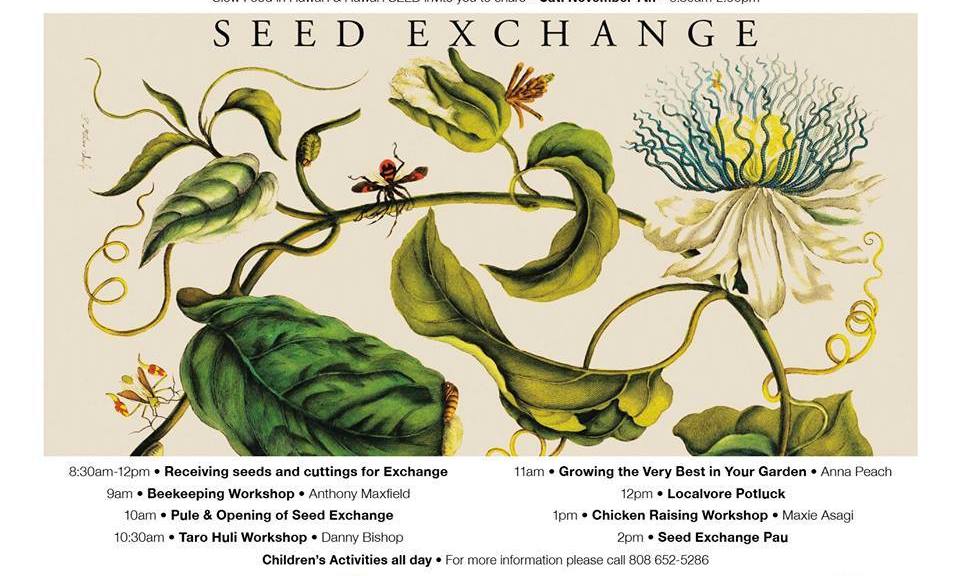

presenting Talks on Oahu’s North Shore


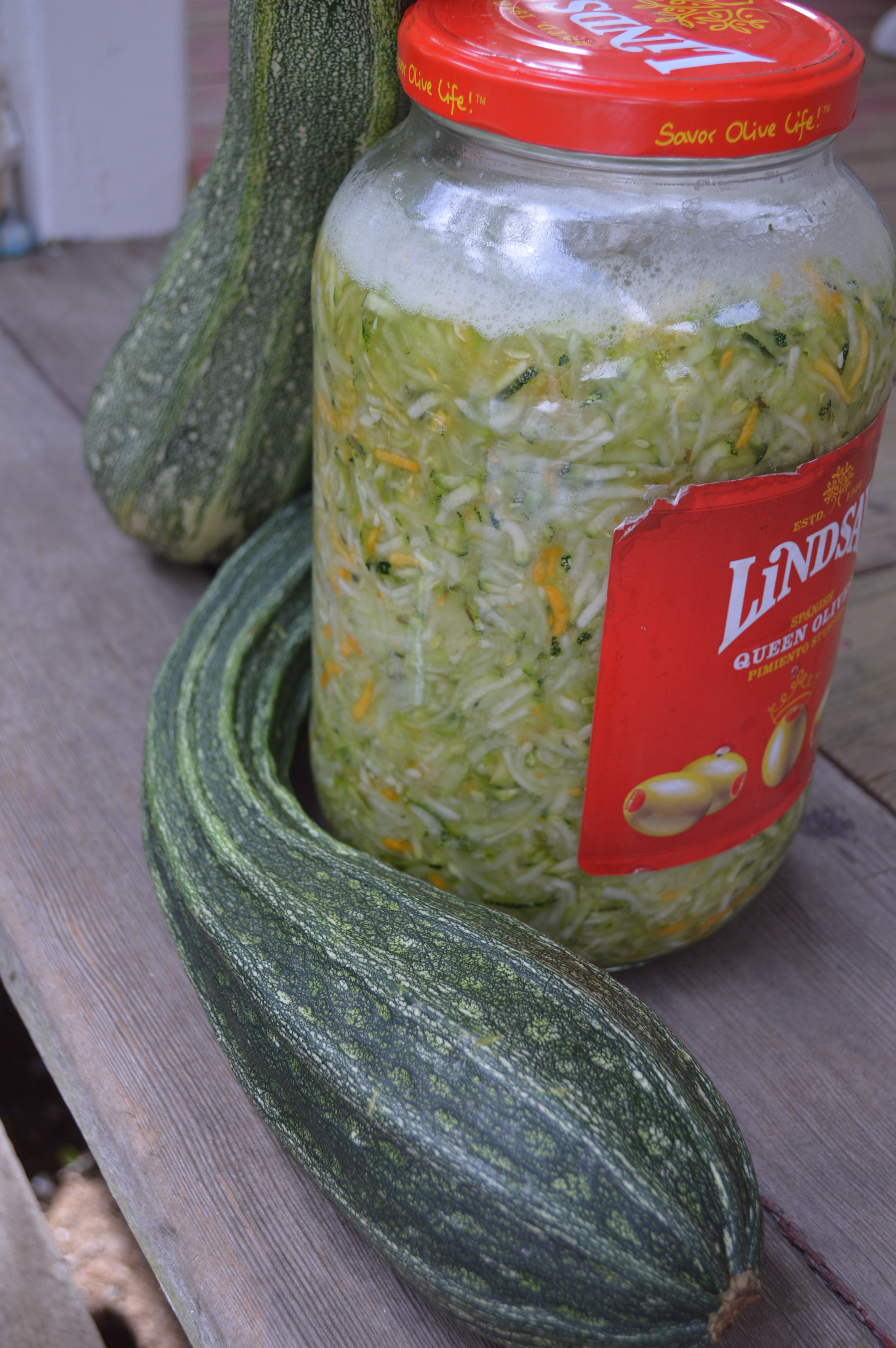
I decided to cook up some of my heirloom Christmas lima beans and make a casserole. With a lot of work to do in preparation for the National Heirloom Expo, I need my energy. I had the food processor out with the shred blade on, as I was already making my pipinola (chayote) kraut. I was also sitting on several pounds of zucchini from a farm trade that I made with our local CSA. I decided to just keep shredding and make a taco seasoned dish that I could use throughout the week. Here is what I did: I had cooked the Christmas lima beans on low overnight in the crockpot with water enough to cover, and 1/2 of a Sweet Onion. I was already planning on using the beans, so I thought that all I needed was some more vegetables.I shredded one half of a large Hawaiian Sweet Onion, One large Zucchini, one pipinola(chayote squash) 2 orange habanero peppers, and 5 pickled hot peppers. I then poured the shredded veg into a bowl, and pulsed 2-3 cups of the now room temperature cooked lima beans. I added them to the bowl, and added two packages of taco seasoning, a sprinkle of sea salt, and a cup of breadcrumbs. I mixed it all together and pressed it into a 9×9 square pan, baking it at 350 degrees for an hour.
I’ve been making homemade kraut for several weeks now, as a means of capturing the harvests that come and go at both the farm and garden. The salty zing of the sea salt brine is welcomed after a hot day in the field. I thought, why not? Add it to the taco. I am happy to learn that this one taco casserole makes two completely different dining experiences. Fresh out of the oven, it is warm and comforting, with melted cheese and steamed rice for an evening meal, but the next day, it is bright and light as a chilled lunchtime taco with the ice cold kraut.
Since I am doing a lot of physical labor, I need a lot of food energy to get me through the day, so this homegrown, healthy taco had enough staying power to keep me going. Granted, my farmer portion was probably a bit larger than many would make. Overall, it was a simple feast made out of farm and garden goods. I will certainly make it again soon.
Try experimenting, I am sure carrots or pumpkin would be equally nice additions to the taco. Just think in terms of a meat loaf minus the meat. You can add two beaten eggs to the mix as well, or add chopped boiled eggs if you are a hungry one like me. As for the kraut, I have made a wide variety of them in my initial experimentation. It is all based around what is in arms reach. I have a few chili peppers producing now, and I always keep fennel fronds near. Though I am not a seaweed (limu) collector, I support those few that do here in Hawaii. I have been using seaweed as the majority of the salt in the recipe, topping off jars with just a bit more salt for fermentation. If you haven’t read it, you may enjoy my earlier post on my summer fermentation trials with pipinola (chayote)
Aloha from Squash and Awe
It is an interesting year for chilis in Upcounty Hawaii. Cold, wet, Winter weather has changed their schedule. This is normally time for their big growth time, but this year the season is different. Am I ok with it? Sort of. This is why I plant so many heirloom varieties. Some are loving this weather, while others are waiting for their time. I learned many things this year. The importance of pruning, and timing the pruning to the plant’s growth cycle. I also learned how to grow chilis from cuttings. Though only one lone Thai Dragon Pepper was a successful grow out from a cutting, it is a lovely plant, and I learned that the method does work, and that I should try it throughout the year to find ideal times.
I also did two rounds of grow outs from seed despite my Spring travels. I have two new success with orange Habanero, and Purple Cayenne. Then back to making sure to care for the varieties that have already shown potential. Like Black Hungarian, and Aji Limon (Lemon Drop.) Two peppers from two different parts of the globe, but both like the highly variable conditions at the farm.
I love to plant and transplant when it rains. Though it is bright and sunny in the video, the skies opened and closed several times in the past few days as yet another tropical storm spins by. I decided to start an absurd number of chilis this summer, knowing that it was now or never. Germination becomes more difficult in the months ahead. Many chilis go semi-dormant in Winter, unless we have a warm Winter. I get them going when we still have longish days, then we will see what the fall brings. It may get hot in Aug and September, which would set them up with strong growth. Or we may be having our Winter now. We never had Winter rain this year…so in many ways this is our Winter.
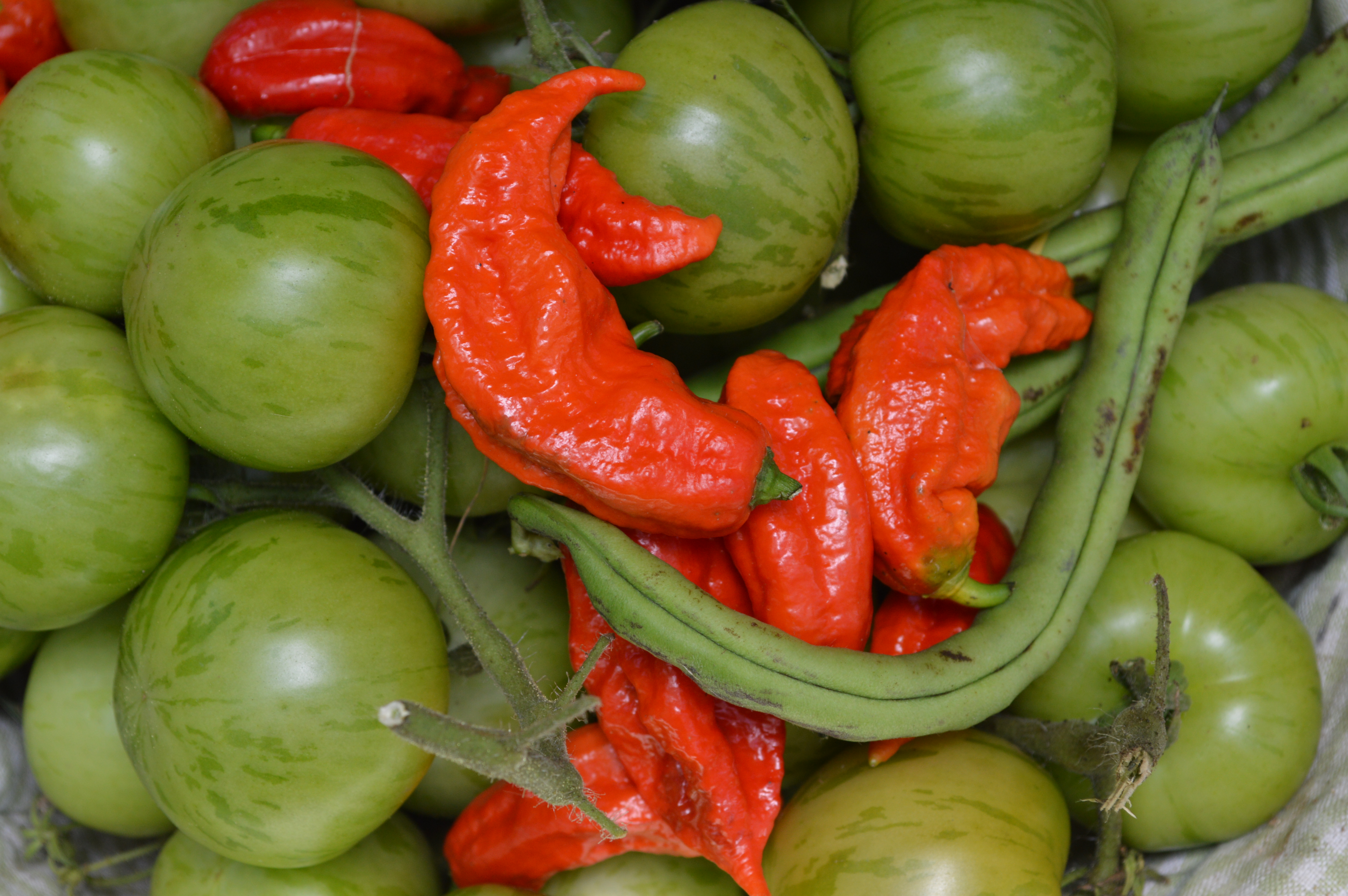
What I am learning, is that I may love chilis as much as I love squash. They too vary in heat, texture, and flavor. They also have lovely foliage, and flowers. They also are more tolerant than I would have ever guessed. They let the squash smother them, then appear alive and well from under the vines. I have some plants that are 2.5 years old now. They love my homemade fish fertilizer, and the Ghosts seems to like more water than I would have ever guessed. I harvested about 15 Ghosts off one yearling plant that is set right out with the squash. I have it in a container tub, and let it get some of the spray in route to the squash. It is a great way to have them be accessible, while also lifting them up above the squash leaf shade so they have optimal sun. Not to mention, it is easy to collect them so to cook with them, and one watering will water the whole lot. Containers can dry out quickly, so this is ideal. The peppers are healthy, happy, and thriving.
So here is a video to give some beginning farmers and gardeners an idea of how to make your own soil mix for your container garden. I recommend that everyone grab up large pots and tubs when they seem them being discarded. They come in handy, and it allows you to have a garden on your lanai, doorstep, or in my case, containers mix right in with other plants on the farm.
I choose to transplant my chili peppers when they get a couple pairs of leaves. That gives them a more substantial root system, and they are less likely to wilt and die after transplanting. I get several plants going in each big container, if they all take, I can always transplant some of them, giving the others more space. I often add a squash vine to the mix ( I know I know) or a basil plant, so to get a variety going. These containers will be put on a wire mesh table top where nutrients, and water will drizzle onto the squash vines. I give them fish emulsion monthly. It works wonders. The two year old plants have over 100 blooms this year…even in partial shade, and unusual weather.
I began fermenting this past week, and I am excited about the flavor of the orange Habanero in one of the squash ferments. More on that later…I am just throwing that out so to encourage you all to grow more than you think you will use. Many people struggle with growing a variety of peppers, so they may be likely to trade for some of your chili bounty.
I love my Winter Squash, and each time I plant, I find beauty in their shapes and sizes, but as I get more seasoned as a grower, the nuances in the leaves also calls out to me.
Fig Leafed Gourd (above)

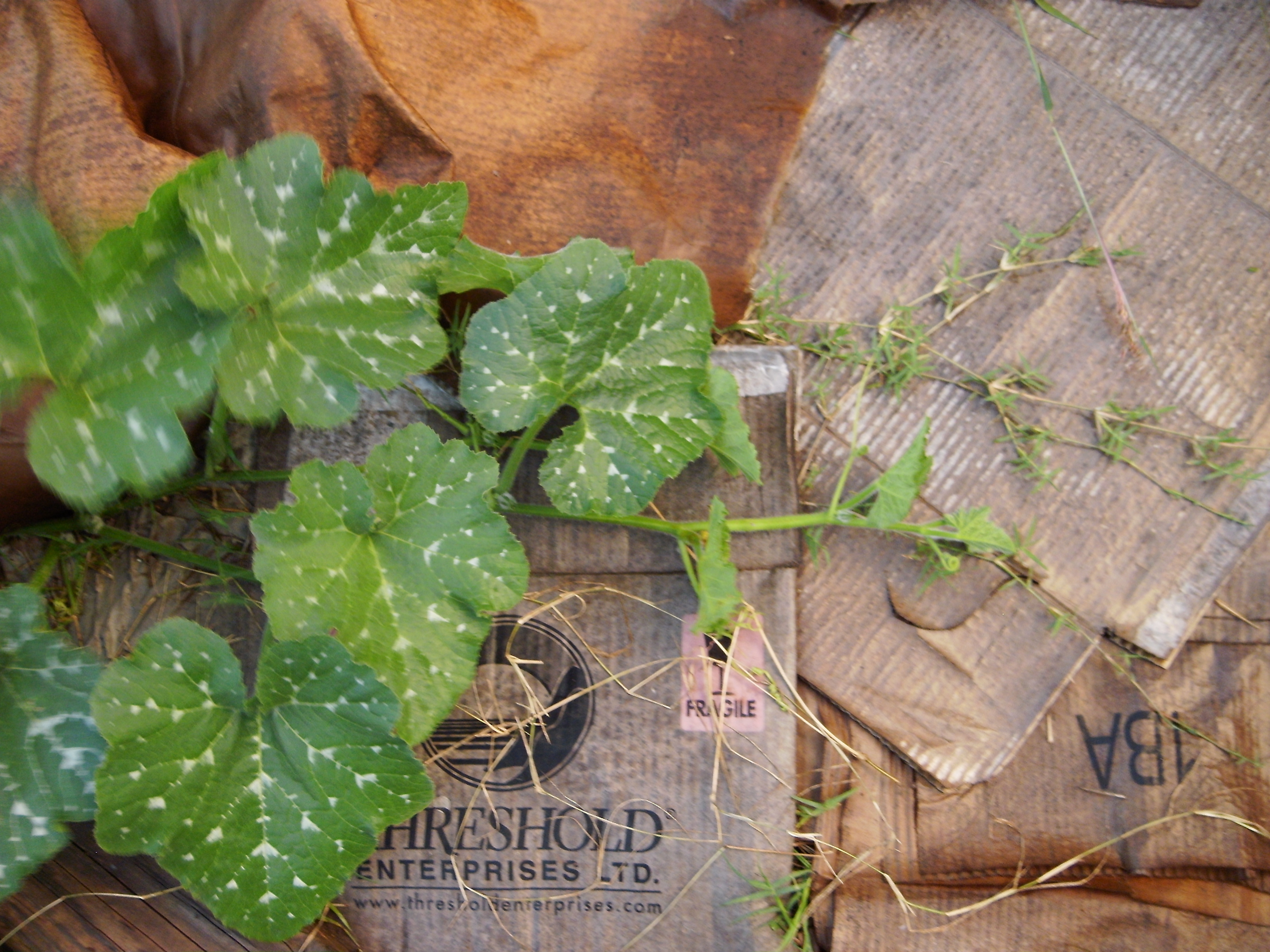
I am getting pretty good at being able to know a squash not just by it’s fruit, but also by it’s leaf. When selecting blooms for hand pollination seed purity, there may not be a fruit there on the vine to help you identify it. So if you plant a small intense plot like I do, it can get confusing. Learning how to identify the vines by the leaf patterns, colors, shapes and sizes will help you in so many ways. As you plant in future plantings, you can plant several different looking squash plants in very close proximity and still know who is who.





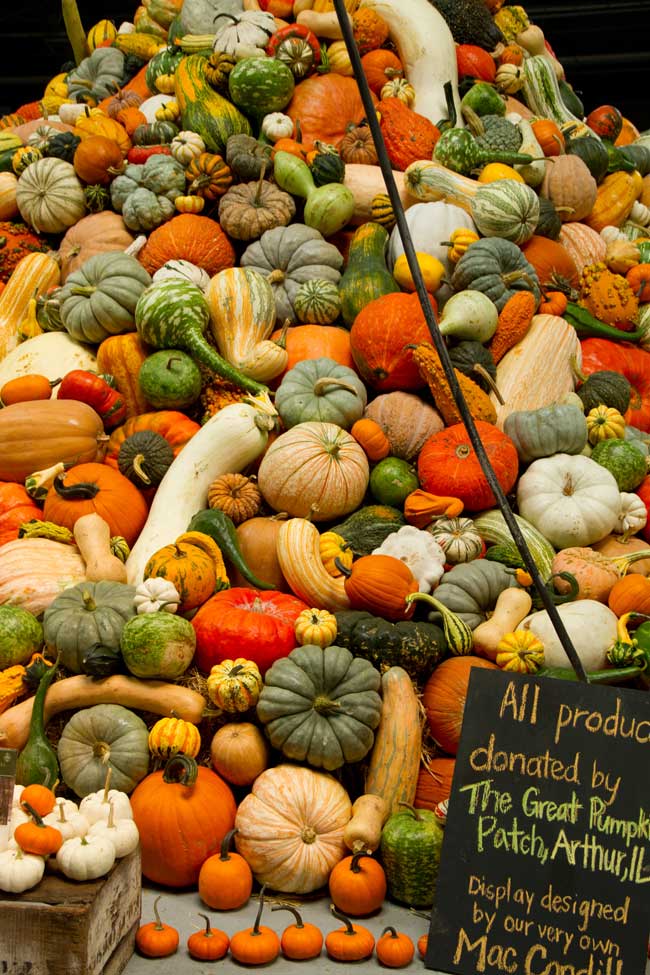
http://theheirloomexpo.com/updates/
Like all busy farmers, September seems like a very long time away, but it is closing in on us as we plant ourselves silly. I have my small dream of being an exhibitor at the expo, that grew into a much larger dream after the Gettles of Baker Creek were kind enough to include my squash patch in their global touring. My dream was nearly nixed by the sad news that my squash cannot fly to California, no touring due to the fruit fly. The Department of Agriculture person was even saddened. But the lovely folks who are assisting in the organization of the expo noted that I would be welcome to represent our Hawaiian heirloom squash at the expo, pumpkins in hand, or not. I was relieved to say the least. I can bring the seeds, photos, and let that represent the patch. Now, some paperwork, networking, and some fundraising is in order so to make this happen. Just putting this out to the universe….fingers crossed…dream getting a wee bit closer…
Last November I questioned the idea: In Hawaii, where many native plants are endangered, or under threat, can I help the three varieties of native plants that exist on the farm property to thrive, while also benefiting squash production? The answer ended up being a clear yes.
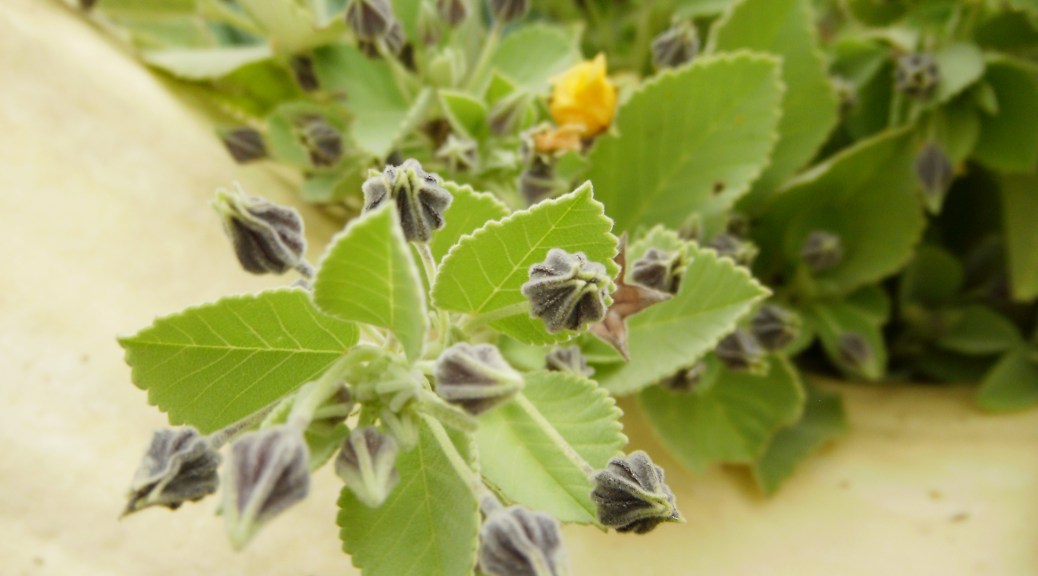
As we know, squash need a lot of everything: sun, water, compost, bees, the works. So instead of using non-native plantings to attract more bees, what if I studied the nature of the abundantly flowered native Ilima shrub and tried to work out a system where each would benefit? The result : The Ilima Project.
Ilima is special, it is a hardy shrub that has struggled in the past 17 years as the Ka’u desert has extended it’s Northern border. I found several of these native plants, and decided to be their caregiver by not pulling them up, and planting around them instead. It created a perfect companion plant for the squash, while also nurturing a plant that many of the elders noted that “it used to be everywhere,” much like local kabocha squash. I decided these two could stage a comeback together. The Ilima thrived and it was most grateful for any bit of water or compost that it is offered.
I read in the excellent Bishop Museum Book, “Native Planters of Old Hawaii,” that the Ilima plant was often pruned heavily so to create even more buttercup like blooms for lei making. Though we often search specifically for the crop that we farm, here we can see how a regional and historical book can assist in modern farming, by applying this information that can assist with pollination. The fast growing shrub was tolerant of my experimental no-till techniques, and the bees plunged into bloom after bloom and pollinated the squash as well. The smaller blooms attracted many new bees and beneficial wasps that were “new” to the farm. The Ilima thrived, and created helpful pollination assists, as well as wind blocks for the squash that really doesn’t care for wind.


As for the squash, they were happy too, as they climbed up and around the Ilima shrubs and across the no-till cardboard mulch. I grew out one of the world’s rare squash for seed preservation (the bright orange one from Armenia, C. pepo in the photo) along with my go to Hawaiian heirloom squash for the community, a Long of Naples, a grey ‘Crown’ squash that originated in South Africa, and also many lovely Thai squash (C.moschata.)
I am just adding compost to the beds so to have a late summer crop. The Ilima shrubs (seen in the rear of the wheelbarrow photo) are continuing to thrive.


The Spring harvest: Rocker’s, Kikuza,Hawaiian Butternut, and Black Kabocha


 Squash and Awe